With the growth in the use of electric vehicles, more and more drivers are faced with decisions about how to charge their cars.
One of the most common questions is whether it is better to charge the car during the day or at night. This decision can influence not only the cost, but also the battery life and user convenience.
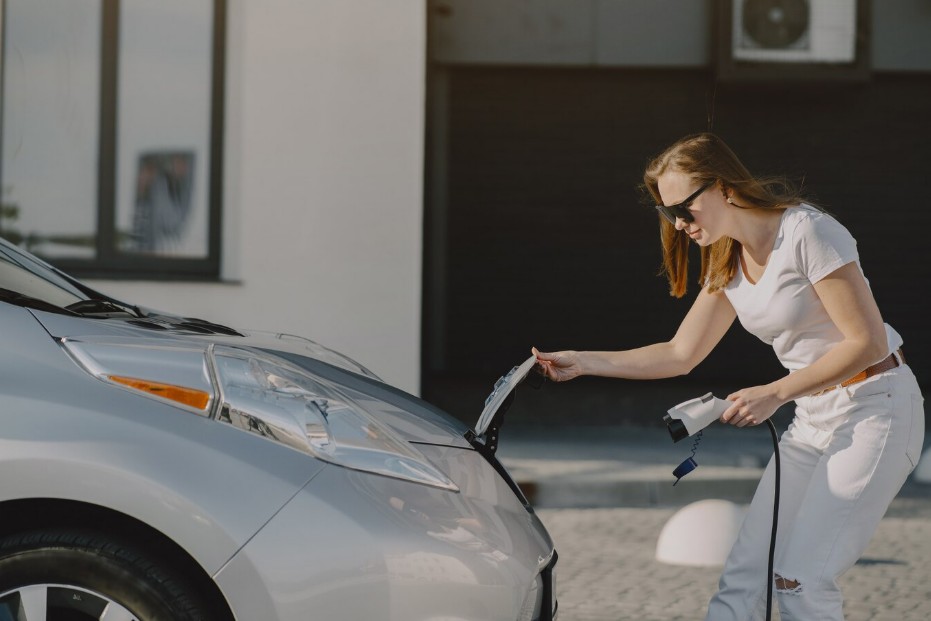
Charging during the day can be convenient in several contexts, especially for those who spend many hours away from home. For example, it is common to find charging points in shopping centers, offices, or public parking lots. This allows you to take advantage of work time or daily tasks to recharge your car, without having to do so at home.
However, daytime charging also has some important points to consider:
• Availability of public chargers. There is not always a charging point available when you need it. During peak hours, you may have to wait or look for another location.
• Charging speed. Many public charging points offer fast charging, which is useful if you need to continue your journey soon. But using this type of charging frequently can generate more heat in the battery, which in the long term can affect its useful life.
• Variable costs. Some public charging stations have higher rates during the day. In addition, these rates may vary depending on the location and the company that manages the service.
• Solar energy and self-consumption. If you have solar panels at home or at work, daytime charging can be very beneficial. You can take advantage of the energy generated in real time, reducing costs and environmental impact.
• Ambient temperature. During the day, especially in summer, the temperature can be higher. This can cause the car’s thermal management system to work harder, especially if the car is in the sun. In the long term, this extra effort could impact battery performance.
On this subject, here we discuss whether it is better to charge your electric car every day or only when necessary.
In many countries and regions, electricity companies offer different rates depending on the time of day. These rates are known as time-of-use rates. In general, electricity is cheaper at night when demand is lower. This translates into direct savings for those who charge their vehicles during these hours.
What are the economic advantages of nighttime charging?
• Reduced rates: During off-peak hours (usually from midnight to 8 a.m.), the price per kWh can be between 30% and 50% cheaper than during peak hours.
• Greater predictability: Being at home overnight makes it easier to keep a constant eye on the charging process, and there is less risk of finding stations occupied or out of order.
• Simple automation: Many home chargers allow you to program the start time for charging. This way, the car starts charging automatically when electricity is cheapest.
But keep these limitations in mind:
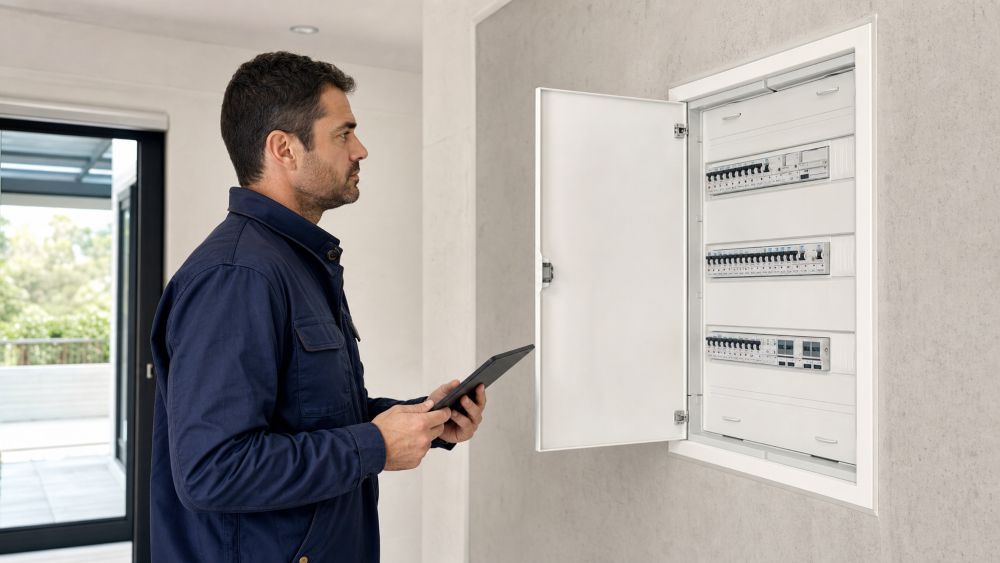
• Initial investment: To take full advantage of nighttime charging, you may need to install a home charger, which requires an initial investment.
• Need to sign up for a time-of-use rate: Not everyone has an electricity rate that fits this model. It’s important to review your bill and, if necessary, switch rates to take advantage of the benefits.
In most cases, charging at night means considerable savings. But it is also important to consider how much you consume at other times of the day, as a time-of-use rate may not be advantageous if the rest of your electricity consumption is high during peak hours.
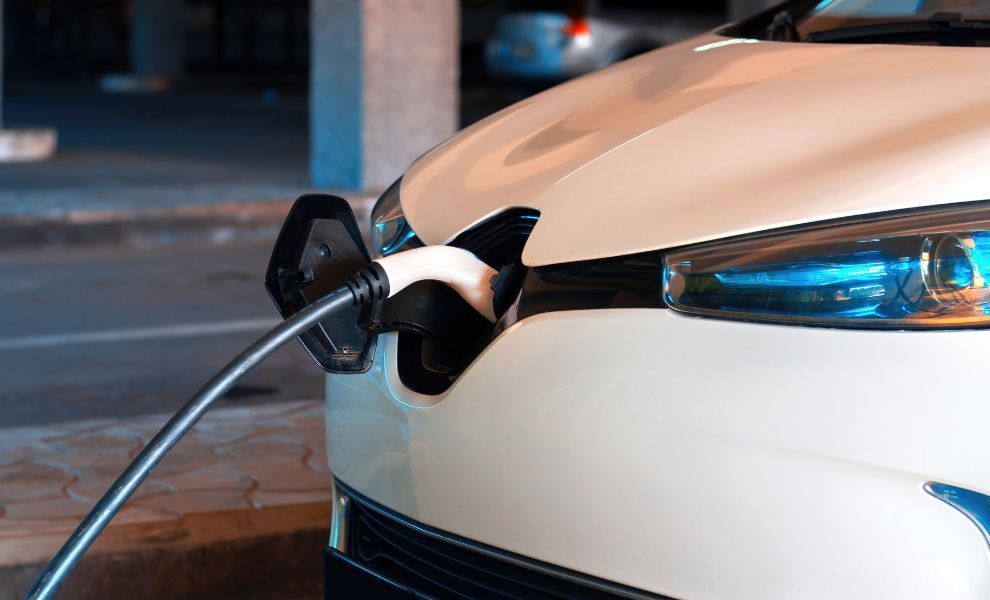
One of the common concerns among new electric vehicle users is what happens if the car is left connected to the charger all night. Is it bad for the battery? Are there any risks?
In general, leaving your car plugged in overnight is not a serious problem, as long as you follow some basic recommendations. Therefore, keep the following in mind:
• The car and charger communicate: Today’s electric vehicles are designed to manage charging intelligently. When the battery reaches 100% or the programmed level, the flow of energy stops automatically.
• Slow and safe charging: Most home chargers offer moderate power (between 3.7 and 7.4 kW), allowing for slow and gentle charging. This is the most recommended way to charge in order to preserve the health of the battery.
• Risk of overcharging: very low thanks to safety systems in both the car and the charger, the risk of overcharging or overheating is very low.
• Optimal charge level: Although charging to 100% is not harmful on a one-off basis, it is not recommended to do so every day. Many manufacturers recommend keeping the battery between 20% and 80% to extend its life.
Therefore, charging at night is safe if done correctly. It is also the most convenient option for many people: by leaving the car plugged in overnight, it is ready in the morning without having to wait.
There is no single answer that works for all drivers. The best charging routine depends on several factors, such as how often you use your car, the distance you travel, access to charging points, the type of battery, and weather conditions. Even so, there are some general guidelines that can serve as a guide.
• Avoid charging to 100% every day: Unless you are going on a long trip, it is not necessary to always reach maximum capacity. Keeping the battery between 20% and 80% helps reduce wear and tear.
• Take advantage of cheaper rates: If you can charge at home and have access to a time-of-use rate, schedule charging overnight.
• Don’t leave your car unused with a fully charged or discharged battery: If you’re going to leave your car parked for several days, make sure the battery is between 50% and 70% charged. This helps maintain its stability.
• Use fast charging sparingly: Fast charging stations are useful on long trips, but frequent use can shorten the battery’s life due to the increased heat they generate.
• Check the ambient temperature: In very cold or very hot climates, try to store your car in a covered area and monitor the charging frequency. Extreme temperatures can affect battery performance.
• Install a home charger if possible: Having a charging point at home allows you to follow a stable routine, control costs, and take better care of your battery.
• Consult the manufacturer’s manual: Each model has specific recommendations. Some cars allow you to limit the maximum charging percentage from the system itself, which is useful for following best practices without complications.