The use of electric vehicles is growing rapidly, and more and more people are showing interest in this cleaner and more efficient alternative to combustion engines. However, a common question that arises is whether it’s better to charge an electric car every day or wait until the battery is low. Here’s what you need to know.
Is It Advisable to Charge an EV Every Day?
While this is a frequent question, there is no one-size-fits-all answer—it depends on several factors.
On the one hand, daily charging can be a good option if you have a home or workplace charger and your daily routine includes short commutes. Charging the vehicle every day ensures that the battery is always at an optimal level—very useful for those who depend on their EV for frequent trips.
On the other hand, there are arguments against daily charging. Some studies suggest that keeping the battery at a high state of charge continuously can accelerate long-term degradation.
Still, most EV manufacturers recommend regular charging and advise against letting the battery remain empty for long periods, as that can also cause damage. The key is to find a balance that preserves battery life while ensuring the car is charged and ready when needed.
If you want to learn more about how long an electric car battery lasts, you can find more information in this post.
When Is the Best Time to Charge Your Electric Car?
The timing of your EV charging sessions also matters. Several factors can influence this decision, including electricity prices, how often you use the vehicle, and access to charging points.
In many regions, electricity rates vary throughout the day. For example, during off-peak or nighttime hours, electricity tends to be cheaper. Taking advantage of these periods can help reduce charging costs. Charging during low-demand hours is not only economical but also supports a more balanced use of the power grid.
Moreover, if you know your daily routine and when you’ll be using the car, you can schedule charging so that the battery reaches an ideal level just before departure. Many EVs allow you to set charging times, making this process easy. The goal is to avoid overcharging or charging unnecessarily—keeping the car ready without waste.
In general, it’s recommended to charge your EV during the hours when electricity rates are lowest. This not only saves money but also optimizes the use of the electric infrastructure and supports the energy system as a whole.
What Happens If You Leave the Car Charging Overnight?
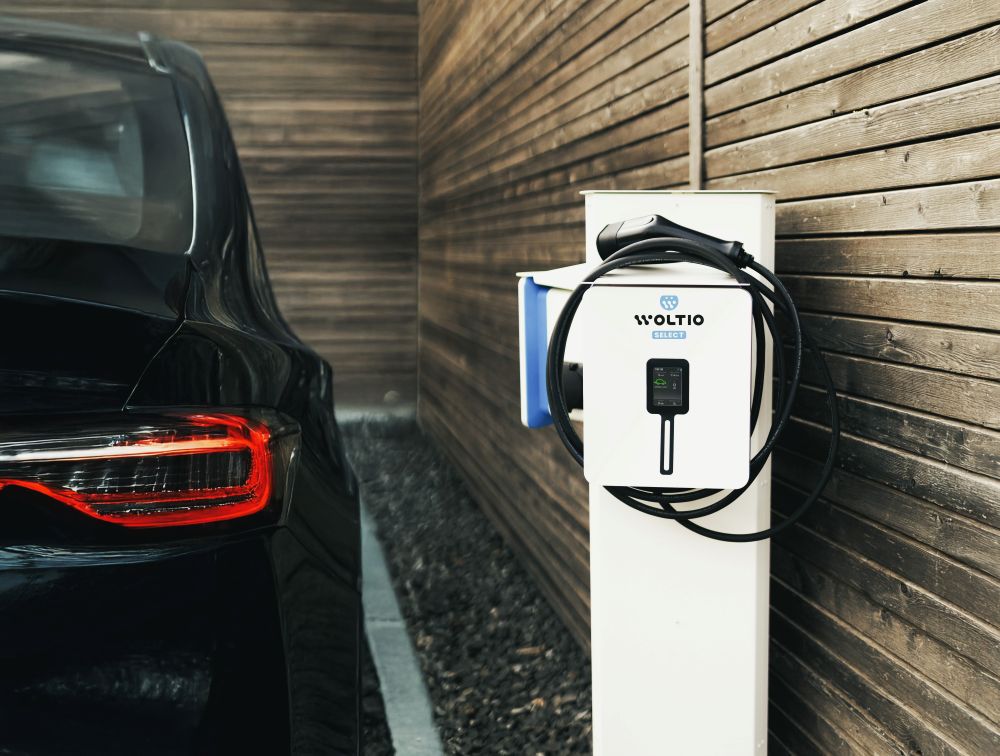
Leaving an EV plugged in overnight is a common practice among drivers. It’s often done for convenience—coming home with a low battery and scheduling the charge to be completed by morning. However, some concerns arise around whether this habit could affect the battery’s longevity or pose safety risks.
First of all, most modern EVs are designed to stop charging once the battery reaches a certain level. So even if the car remains plugged in for several hours, charging stops once it’s full. This helps prevent overcharging and protects battery health.
That said, some experts caution that keeping the battery at 100% for prolonged periods may accelerate its degradation. Manufacturers usually recommend avoiding extended full charges unless you need maximum range immediately.
For this reason, if you choose to leave your car charging overnight, it’s a good idea to set a charge limit—often between 80% and 90%—to preserve battery life.
Another important consideration is safety. Modern charging systems include multiple safety mechanisms such as temperature control and automatic shutdown in case of irregularities.
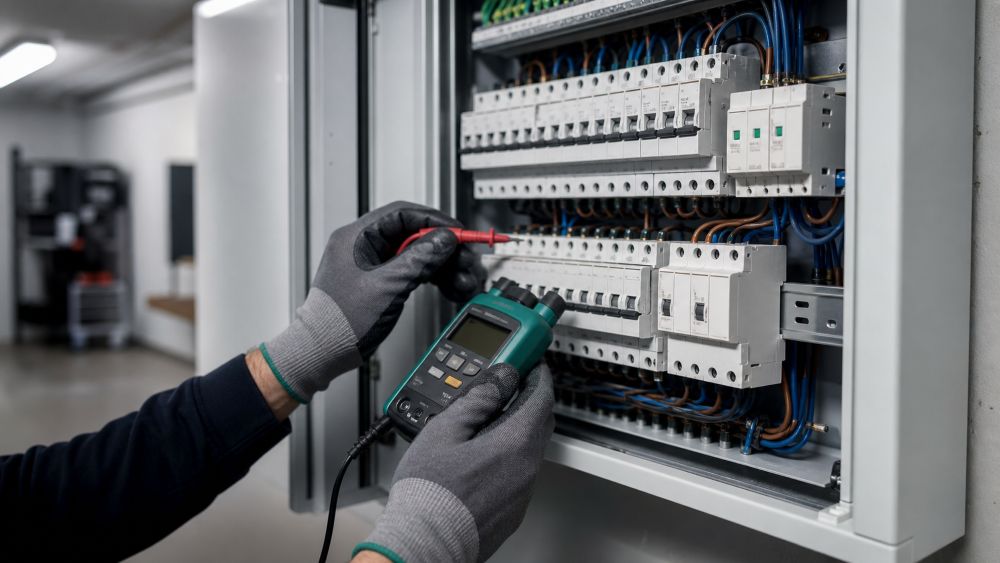
So under normal conditions, charging overnight is considered safe. Still, it’s important to ensure that your charging equipment and electrical installation comply with current safety standards to avoid issues like overheating or short circuits.
Not sure how to charge your plug-in hybrid at home? Read more on the topic [here].
Is It Better to Charge Every Day or Wait Until the Battery Is Low?
If you drive short distances daily and have access to a home charger, charging every day can be beneficial. It helps avoid deep discharges, which can harm the battery. Regular charging keeps the battery in its optimal range and reduces the risk of running out of power at inconvenient times.
Conversely, if you use your car less frequently or for long-distance travel, charging only when the battery is low may be more appropriate. Waiting for the battery to drop significantly can help maximize its lifespan by avoiding sustained high charge levels.
Keep in mind that every battery has an ideal operating range, which is specified in your vehicle’s manual. Following these guidelines helps maintain performance and battery health over time. Battery technology is constantly evolving, so charging strategies may also change as new systems and management methods are introduced.
A mixed strategy may also be helpful. For example, charging the car daily up to 80–90%, and performing a full charge occasionally when a long trip is expected. This allows you to enjoy the benefits of regular charging while minimizing stress on the battery. Maintaining an intermediate charge level can also be more energy- and cost-efficient, avoiding unnecessary full charges.
Charging Tips for Electric Cars
Here are some practical tips to help you optimize EV charging and keep your battery in great shape:
- Check the manufacturer’s manual. Every EV has specific guidelines for how and when to charge the battery. Following these ensures optimal vehicle performance.
- Use the right charger. Make sure your charger is compatible with your vehicle’s specifications. Fast chargers are useful in emergencies, but for daily use, a moderate-power charger is usually more battery-friendly.
- Take advantage of low electricity rates. Charging during off-peak hours—like overnight—can lead to significant savings. Scheduling charging sessions at these times is a smart way to manage energy usage.
- Avoid keeping the battery at 100% for long periods. While having a full battery may seem convenient, maintaining it constantly at full charge can reduce its lifespan. For everyday use, aim for 80–90% and save full charges for when you really need them.
- Watch the temperature. Ambient temperature affects the charging process. In extreme heat or cold, charging may take longer or be less efficient. Some EVs include thermal management systems, but it helps to be aware of weather conditions.
- Perform regular maintenance. Just like combustion vehicles, EVs require periodic checks. Maintain your charging system and battery to prevent long-term issues.
- Plan your trips. Knowing your vehicle’s range and planning routes helps avoid being caught without charge. Charge fully before long trips or identify charging stations along the way.
- Limit use of fast chargers. While convenient, frequent use of fast charging can accelerate battery wear. For daily use, stick to slower, more consistent charging.
- Monitor battery health. Most EVs offer apps or diagnostic tools to track battery condition. Use this information to fine-tune your charging habits and keep the system running smoothly.