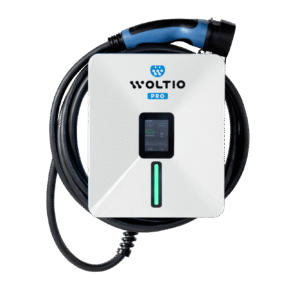
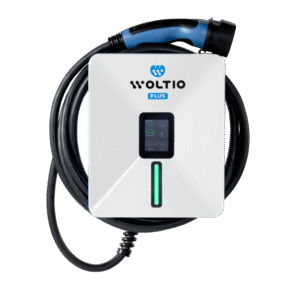
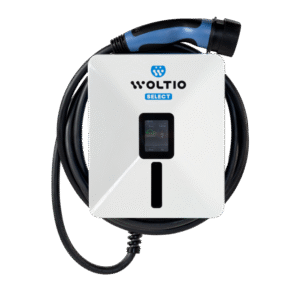
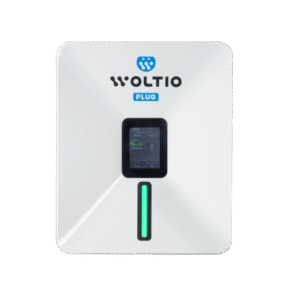
Electric mobility is on the rise. More and more people are opting for electric vehicles (EVs) as a cleaner and more efficient alternative. But this leads to new needs, one of the most important being having a charging point at home.
Installing a home electric charger offers convenience and savings, but you can’t just put it anywhere. Choosing the right location is key to ensuring safety, efficiency, and functionality.
Learn all about our EV chargers for home.
Before deciding where to install your electric car charger, you need to evaluate several technical and practical factors. Proper planning will prevent future problems and facilitate the daily use of the vehicle.
The type of home greatly influences the options available. Installing a charger in a single-family home is not the same as installing one in an apartment building.
• Single-family home: Installation is usually simpler because there is greater control over the electrical infrastructure and space.
• Apartment or flat: May require community permits or adaptation of common areas. In this case, it is important to consult current legislation. In many countries, the law allows you to install a charger in your private parking space, even if the space is communal.
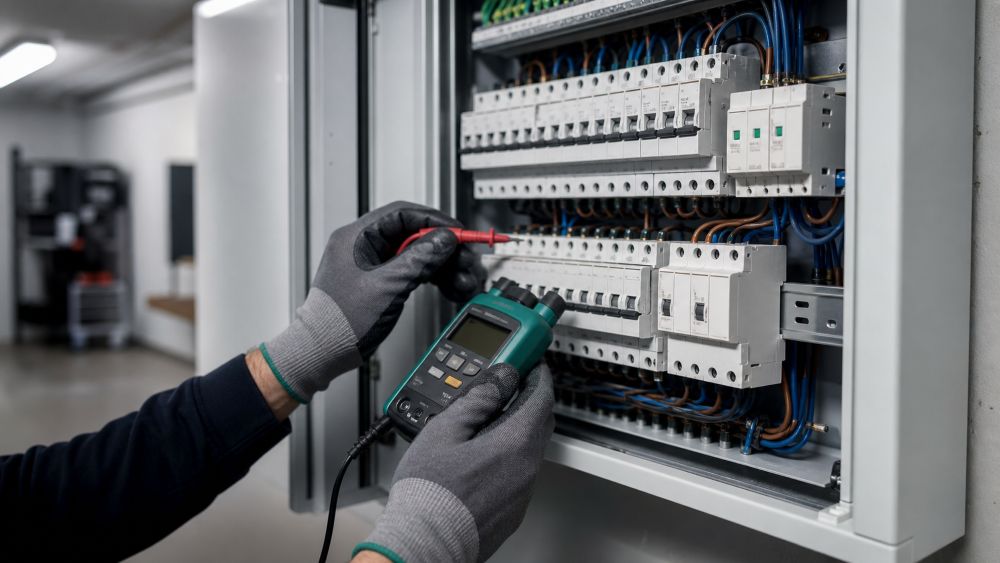
Before installation, it is necessary to check whether the home’s electrical network can support the vehicle’s load.
• A standard home charger may require between 3.7 and 7.4 kW of power.
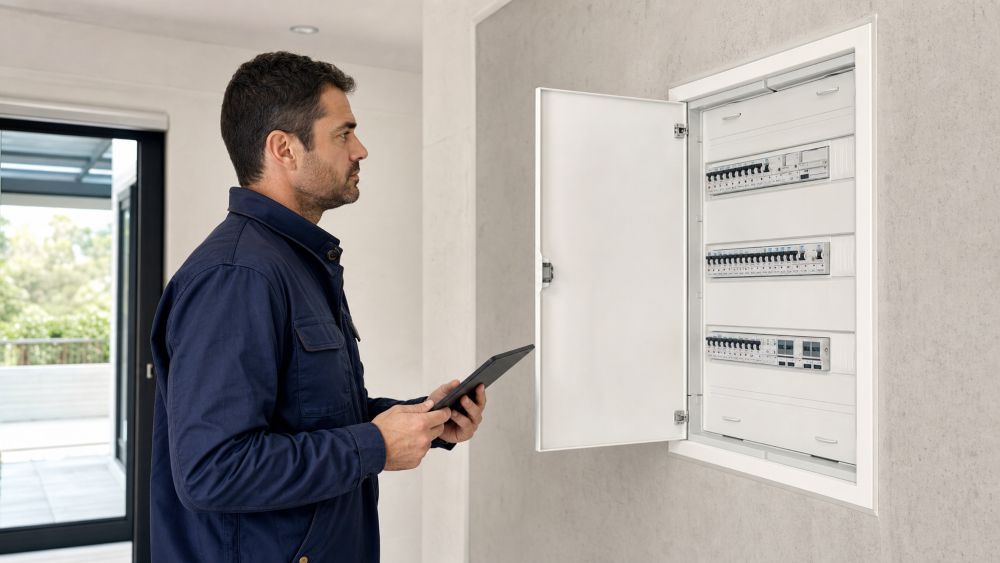
• It may be necessary to increase the contracted power or adapt the electrical panel.
• Compatibility with the charger and the vehicle must also be verified.
An authorized electrician must perform this assessment. In addition, in many countries it is mandatory for the installation to be carried out by a certified professional.
The further away the charging point is from the main panel, the more complex and expensive the installation will be. More wiring and conduit will be needed, and there may be a loss of efficiency. Therefore, it is advisable to study the layout carefully before deciding on the final location.
The charger should be in an easily accessible location, both for parking and for connecting the cable to the vehicle. It is important to consider convenience, especially if it will be used every day.
If the charger is to be installed outdoors, make sure it is protected from rain, sun, and dust. Many models are designed to withstand these conditions, but it is always best to reinforce their protection if possible, for example, by placing them under a roof or on a protected wall.
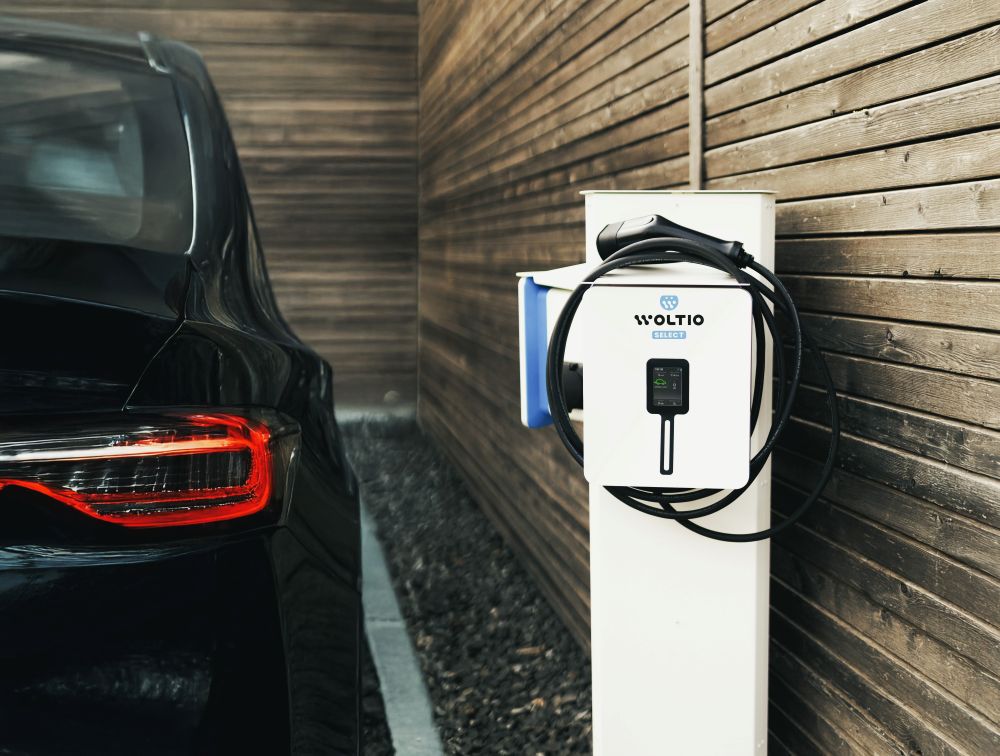
Once you have considered the above aspects, it is time to choose the exact location for the charger. The best location will depend on the type of home and how the vehicle will be used, but some common criteria can help you decide.
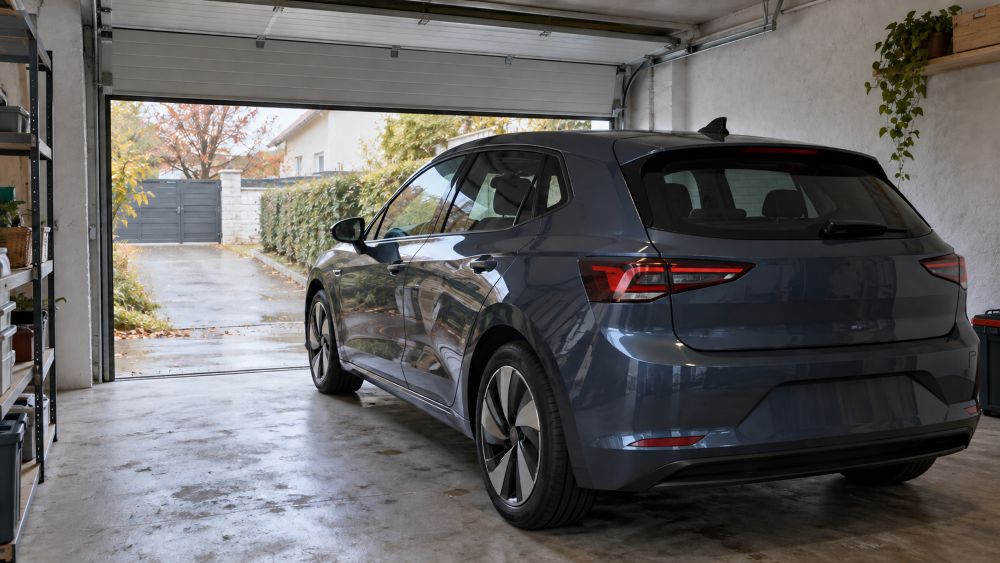
This is undoubtedly the most convenient and safest place to install a charger.
• Advantages: Total protection from inclement weather, high security, lower risk of vandalism or cable theft.
• Installation: Usually simple if the electrical panel is nearby. It also allows for a direct connection to the vehicle without the need for significant modifications to the surroundings.
• Recommendation: Leave enough space to move around the car without tripping over the cable.
In houses with a covered or semi-open garage, this is also a good location.
• Advantages: Quick access to the vehicle and partial protection.
• Precautions: Ensure that the charger has the appropriate IP protection rating (water and dust resistant). A metal box can also be added to protect the equipment.
In residential buildings, installation can be more complicated.
• Permits: In some cases, you may need to inform or request permission from the residents’ association, depending on local legislation.
• Installation: It may require a long cable run if the electricity meter is far away. It is also common to install systems with shared consumption control or individual metering.
• Security: It is advisable to choose a model with a lock or authentication system to prevent unauthorized use.
Another option, in houses with parking in the driveway, is to install the charger on the front of the house.
• Considerations: It must be protected from the weather and placed at a suitable height. In addition, care must be taken with people or vehicles passing by to avoid accidents with the cable.
If you need to know more, you may be interested in:
How much does it cost to put an electric car charger at home? Complete guide
Choosing the right location for the charger is not a minor detail. It directly affects the functionality, safety, and durability of the system, and here’s why:
A poor location can pose an electrical or physical risk. For example, a cable exposed to passing vehicles can be damaged or cause tripping. You should also avoid areas with constant humidity or direct exposure to water, which could damage the equipment or cause short circuits.
If you have to perform complicated maneuvers to connect the cable every time you get home, you will likely find it inconvenient and end up delaying recharging. A suitable location simplifies the daily process, making it faster and more convenient.
The location where the charger is installed affects the total price of the project.
• Long distances to the electrical panel make installation more expensive.
• Physical obstacles, such as walls or common areas, also increase the time and difficulty of the work. Choosing a nearby and accessible location can significantly reduce costs.