Charging electric cars is becoming increasingly common. As more people opt for this type of vehicle, questions arise about their use and potential problems.
One of the most common concerns is what happens if there is a power failure during the charging process. Is it dangerous? Can it affect the car or the charger?
A power failure during charging is any failure or disruption in the power supply that interrupts or affects the normal charging process of the car. These failures can have different causes and levels of severity. The most common are due to:
• Power outages: These occur when the general power supply is interrupted, whether due to grid failures, construction work, storms, or other external causes.
• Power surges or spikes: These occur when there is a sudden increase in electrical voltage. They can be caused by atmospheric discharges (lightning) or grid failures.
• Voltage drops: These are the opposite of power surges. The current arrives with less force than necessary, which can cause the charger to malfunction or fail to work.
• Charger failure: There may be a problem with the charging point itself, either due to internal defects, wear and tear, or poor installation.
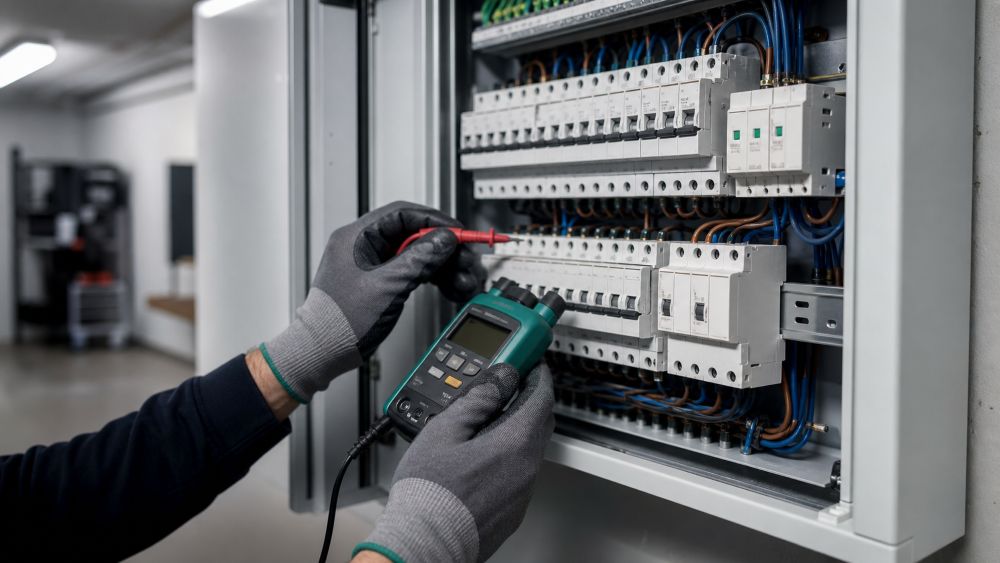
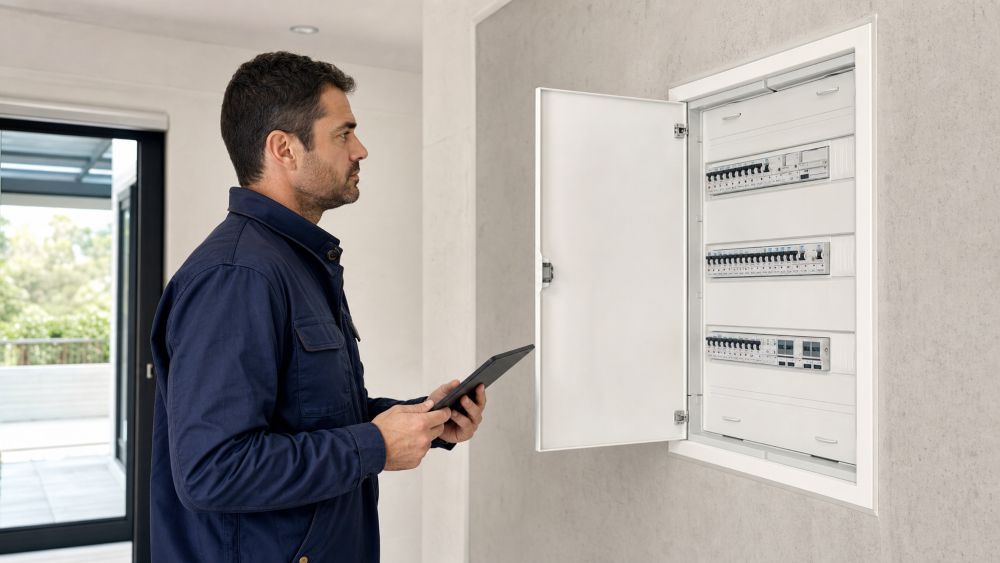
• Problems with the domestic electrical installation: An old or poorly maintained installation may fail when subjected to a high load, such as that of an electric car.
In all these cases, the power supply is affected, which can interrupt the charging of the vehicle or, in some cases, damage the electrical components.
When an electrical fault occurs during charging, several types of risks can arise. Although modern electric cars and their charging systems are designed to be safe, some scenarios can cause problems. These are the most common:
• Sudden interruption of charging: A power outage can abruptly stop charging. In most cases, this does not damage the car, but it can cause inconvenience if you need to use the vehicle and it is not sufficiently charged.
• Risk of overheating: If there is a bad connection or faulty electrical installation, the system may heat up more than normal, with the risk of damaging cables or even causing fires.
• Power surges: Power surges are dangerous because they can damage the electrical components of both the charger and the car. In the worst case, they could affect the battery.
• Damage to the charger or the domestic power supply: An overload can affect not only the car charger, but also other connected appliances in the home.
The battery is one of the most valuable and delicate components of an electric car. It is designed to withstand many charging cycles and has built-in protection systems. However, certain electrical problems can affect it if precautions are not taken.
• In the event of a power outage, the battery is not usually damaged because the car simply stops receiving power. When the power comes back on, in most cases, charging resumes automatically without any problems.
• In the event of a power surge, the situation is different. If the charger or the car’s electrical system does not adequately filter out this sudden surge, it can damage the charging system or even the battery. This is rare, but it can happen if you don’t have adequate protection devices.
• In situations of irregular charging (for example, with an unstable installation), premature battery wear may occur in the long term.

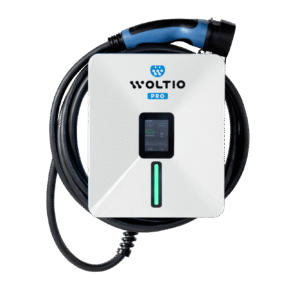
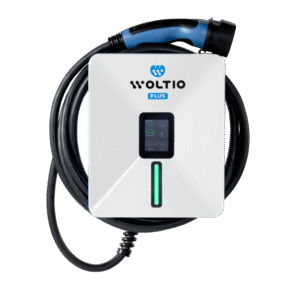
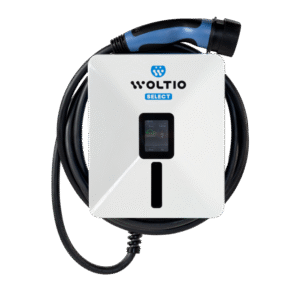
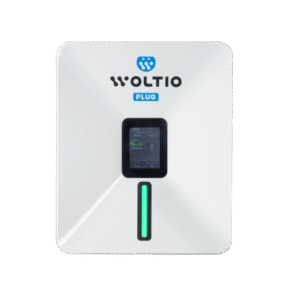
WOLTIO chargers are designed to provide a safe charging experience. They have several protection mechanisms in place to deal with possible electrical faults. These systems seek to minimize risks to both the vehicle and the installation in the event of, for example, power outages.
Remember that we already talked about what happens if the power goes out while you are charging your car in this post, and how important it is to have a type of charger that responds to power outages. WOLTIO models, for example, offer:
• Surge protection: WOLTIO chargers incorporate systems that detect and block charging if they detect a voltage spike. This prevents excess electricity from reaching the car and damaging its battery.
• Safe restart after power outages: If there is a power outage, the charger stops charging in a controlled manner. When power is restored, the system performs an automatic check before resuming charging. This ensures that everything is working properly.
• Continuous monitoring: Some WOLTIO models allow you to monitor the charging status in real time. This can be done via an app or a web interface. This allows the user to know if there have been any problems during charging.
• Temperature control: The charger includes sensors that monitor the temperature throughout the process. If overheating is detected, the system interrupts charging to prevent damage.
Although modern chargers are designed to cope with adverse situations, it is always advisable to follow some best practices to minimize any potential problems. Here are some useful tips: