Just by taking a look around, we realize that we live in a world increasingly focused on reducing carbon footprints and combating climate change; and sustainable mobility has become one of the central pillars of this technological transformation. Electric mobility —thanks to the arrival of electric and plug-in hybrid vehicles on the market— is no longer a thing of the future, but a reality that is gaining ground over internal combustion vehicles.
Since they do not emit carbon dioxide (CO₂) during use, these options significantly reduce greenhouse gas emissions, contributing to a much cleaner and healthier environment. However, this transition has also raised new questions that we hadn’t considered just a few years ago.
One of them gained particular relevance after the nationwide power outage on April 28, which left thousands without electricity for several hours. In this new energy paradigm, many people have started wondering: “What happens if the power goes out while I’m charging my electric car?” “Is the battery at risk?” “What should I do if this situation happens again?” In this article, we’ll try to answer these general concerns so you know how to react in a similar scenario.
What happens if there’s a power outage while charging your electric car?
One of the most common concerns among drivers who have opted for electric mobility is the fear that a power outage might damage the car’s battery or interfere with its proper functioning. This concern becomes more tangible when we consider that power restorations can cause surges —something known to damage everything from household appliances to sensitive electronics if they’re plugged in at that moment.
This fear is not unfounded. In fact, for conventional household devices, the best recommendation is to shut off the home’s circuit breaker to prevent damage from sudden power surges. However, when it comes to electric vehicle chargers, most are equipped with built-in protection systems.
This means that in the event of a blackout, electric vehicle chargers will automatically and safely interrupt the charging process to prevent damage to the vehicle’s battery. These devices are specifically designed to handle such situations without compromising the integrity of the charging station or the car battery.
Can a power outage damage the car battery?
As mentioned earlier, electric vehicle chargers automatically stop the charging process when they detect a disruption in the power supply, which helps prevent any battery damage. In other words, a blackout in itself does not pose a threat to an electric vehicle as long as it is connected to a charger that complies with current safety standards.
However, the most delicate moment is when the power comes back on. That’s when voltage spikes can occur, potentially affecting connected devices. To protect the battery from these surges, some charger models include specific technologies that enhance the safety of the charging process.
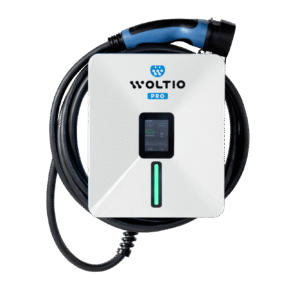
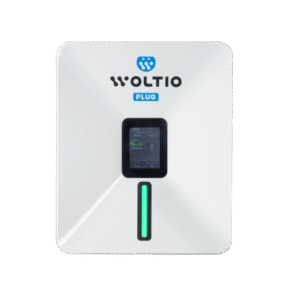
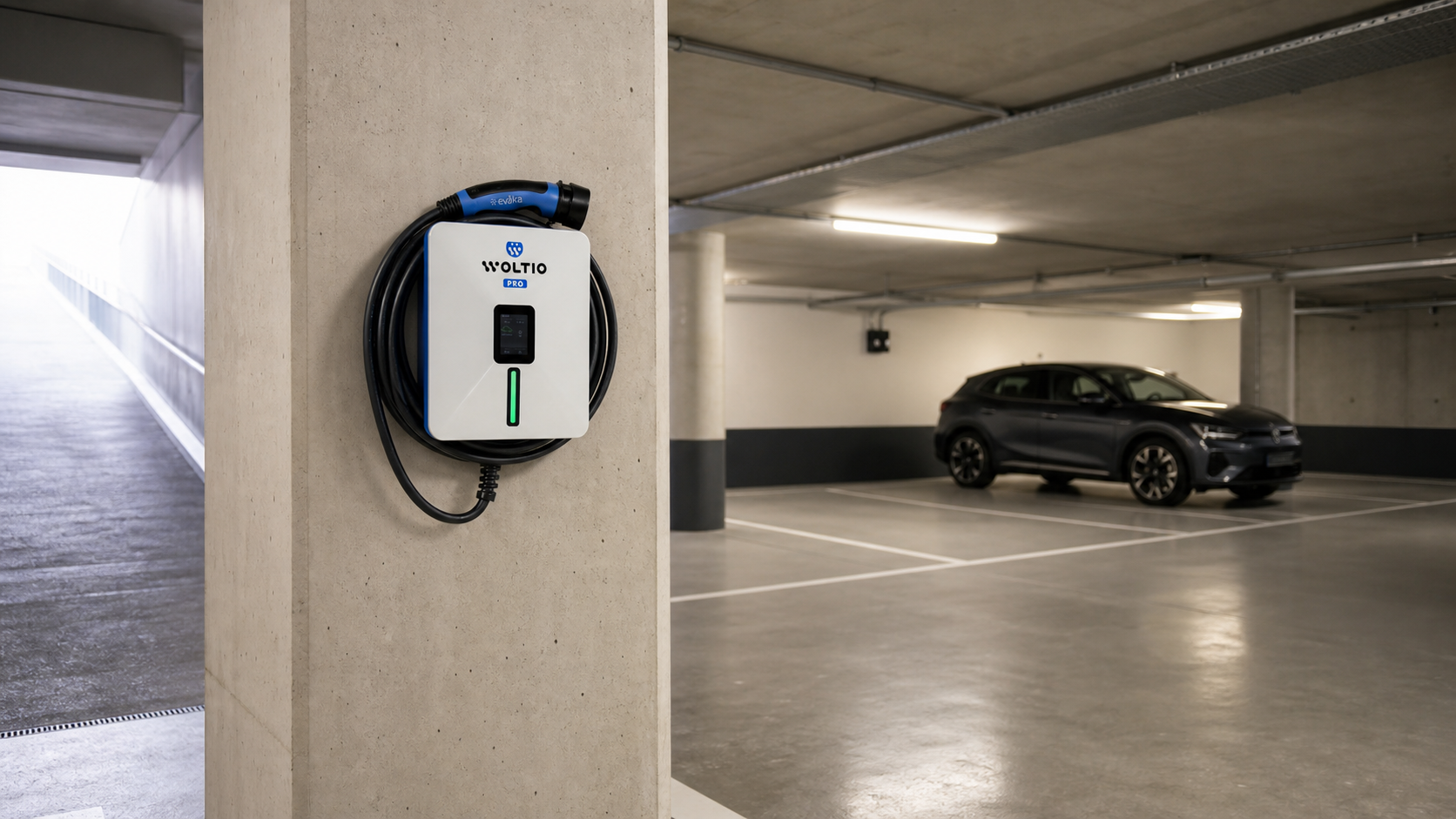
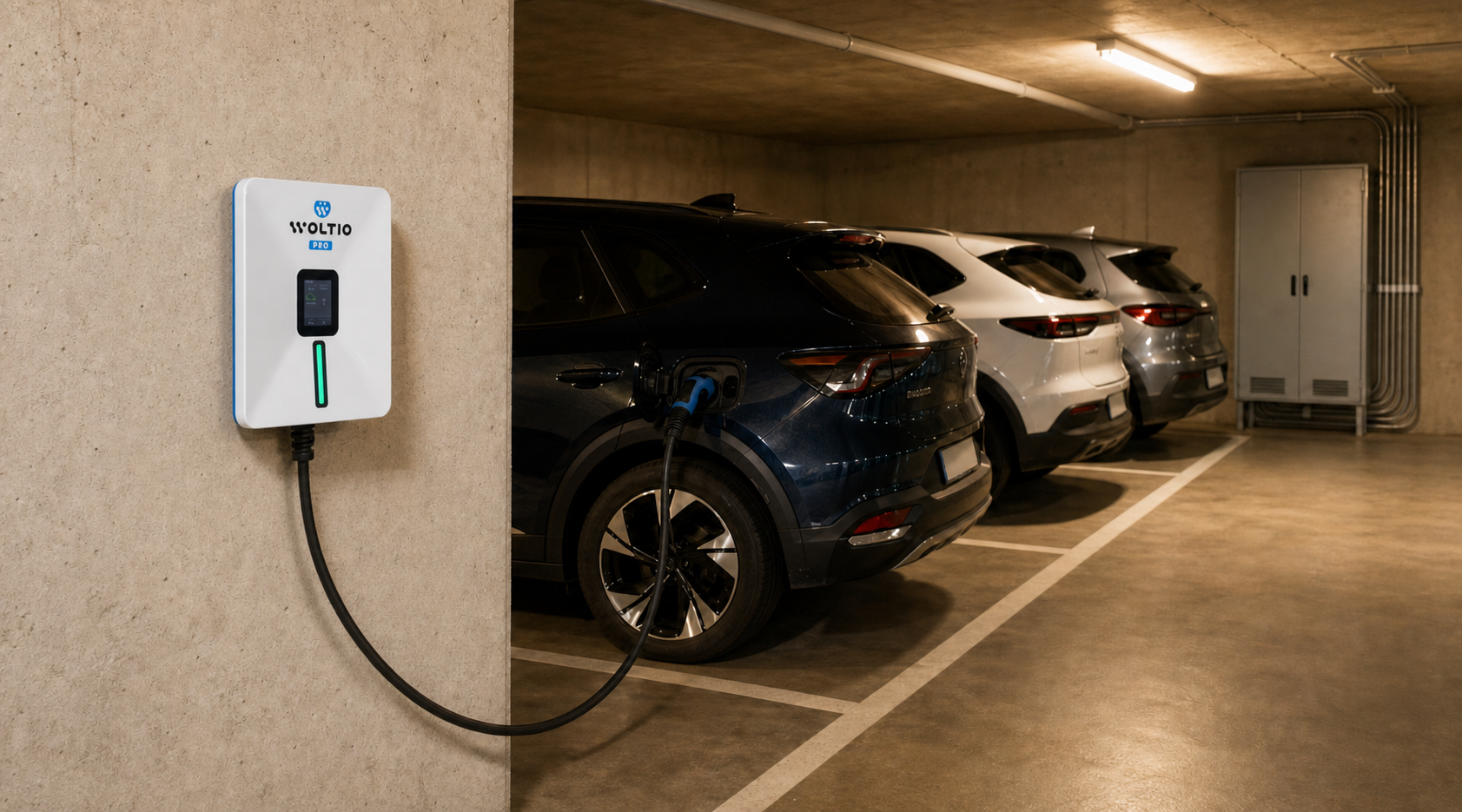
A great example is the WOLTIO PRO charger, which includes an automatic reset system. This advanced feature allows the charger to detect when electricity has been restored after an outage and resume charging without requiring user intervention. It helps protect the battery from voltage variations and ensures a continuous, safe, and efficient charge as soon as power is available again.
Moreover, this type of charger is especially useful in areas prone to power flickers or network instability. Therefore, we can say they offer greater reliability both for households and professional facilities.
What to do if you can’t charge your electric vehicle?
If another outage like the one on April 28 were to happen, there are several alternatives you could consider for recharging your vehicle. While none are definitive, they can help you manage the situation. One option is to look for public charging stations that run on autonomous energy systems, such as photovoltaic solar panels or emergency generators. These facilities often have energy storage systems that allow them to continue operating even during widespread outages.
You might also consider installing a home backup generator. Although not intended for continuous charging, they can provide enough energy for a few hours, enabling a partial recharge to get you back on the road. Likewise, using external batteries with inverters can serve as a temporary solution.
The most solid alternative from a sustainability perspective is a self-consumption photovoltaic system, especially if it includes protection against general grid outages. It’s important to note that in most homes, solar panels are connected to the grid, which means they are also shut off during a blackout for safety reasons. Thus, an ideal solution would be to install a system with battery storage and an automatic disconnect switch, allowing you to maintain electrical autonomy and continue charging your car even when the main grid is down.
Lastly, although slower, there are emergency portable chargers that can connect to auxiliary power sources. These devices provide a basic backup option for extreme situations where no other charging method is available.
Measures to charge an electric car during a power outage
The best way to prepare for a potential blackout is to have a charger designed for these situations. In this sense, the choice of manufacturer is essential. Opting for high-quality, certified devices like those offered by WOLTIO is an investment that will provide long-term safety and peace of mind.
As we’ve mentioned, models like the WOLTIO PRO feature built-in protections and automatic reset, which help avoid damage during the outage and resume charging on their own once service is restored. These features can make a critical difference when looking for an intelligent charging experience adapted to modern needs.
It’s also advisable to combine these chargers with energy self-consumption solutions such as photovoltaic systems with batteries. Not only will this reduce your home’s dependency on the electric grid, but it will also contribute to a more sustainable energy model.
Additionally, being able to manage your charging point from your mobile through dedicated apps —such as the WOLTIO App— can help you control charging remotely and detect potential issues immediately, giving you greater peace of mind, comfort, and control.