What to do if your electric car won’t charge? Quick diagnosis from home
Electric cars are becoming an increasingly common alternative to combustion vehicles. However, like any device that depends on electricity, they can malfunction.
One of the most common and frustrating problems is when the electric car won’t charge. Although this may seem like a serious situation, in many cases it is a minor fault that can be checked at home.
That’s why we’re going to explain step by step what to do if your electric car won’t charge and how you can identify the possible cause of the problem without having to go directly to a service center.
Why is my electric car not charging? Possible causes
There are several reasons why an electric car may stop charging. Some have to do with the vehicle itself, others with the charging point, or even with the cable. Here are some of the most common causes:
Problems with the charging cable due to physical damage or poor contact.
Faults at the charging point.
Power cuts or problems with the electricity supply.
Car battery with some kind of error or active protection.
Errors in the vehicle’s own charging system.
Incorrect timer or charging schedule settings.
Before you panic, it’s a good idea to follow a systematic process to rule out the simplest causes. And remember that we talk about what to do if your car isn’t charging properly in this post.
Check the condition of the charger: lights, connectors, and wiring
The first thing you should check is the charger you are using. Whether it is a portable charger (the kind that plugs into a conventional outlet) or a charging point installed in your home, pay attention to the following:
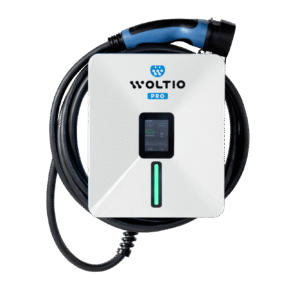
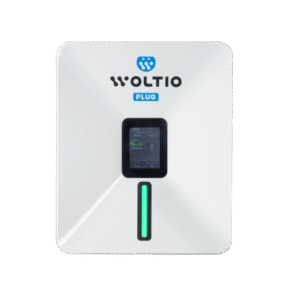
Charger status lights. Most chargers have indicator lights. A green light usually means that everything is OK. A red or flashing light may indicate an error. Consult your charger’s manual to find out what each color or flashing pattern means.
Connector status. Make sure that the connector that plugs into the car is free of dirt, dust, or signs of wear. Sometimes, a simple bad connection can prevent charging.
Wiring. Check that the cable is not damaged, bent, or frayed. A damaged cable can not only cause charging failure, but can also be dangerous.
Complete connection. Check that the connector is properly inserted at both the charging point and the car. Sometimes, a loose connection prevents the charging process from starting.
Check the electrical connection in your home or garage
A common cause, especially in single-family homes or communal garages, is a problem with the electrical installation. This can directly affect the charging point. Here are some steps to check this:
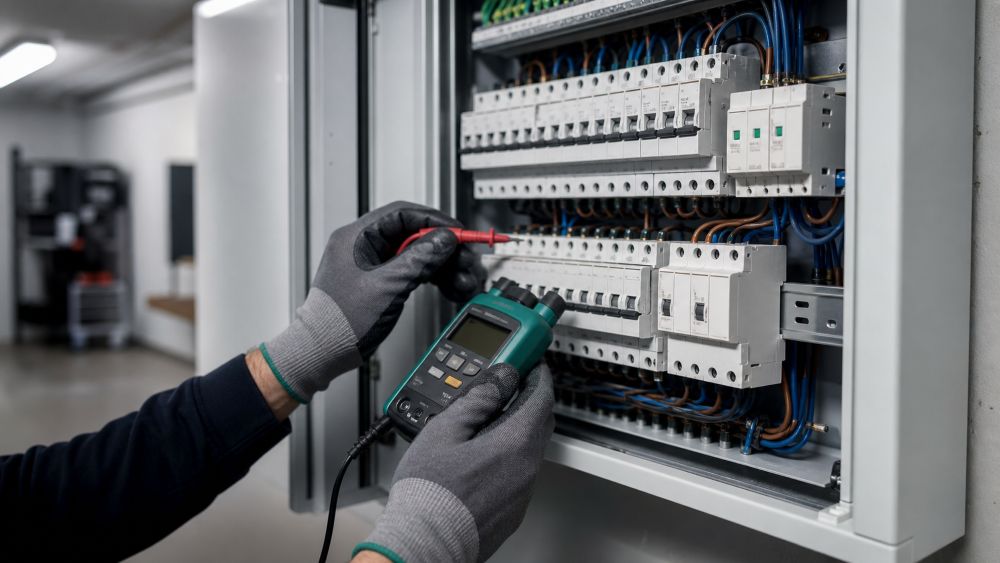
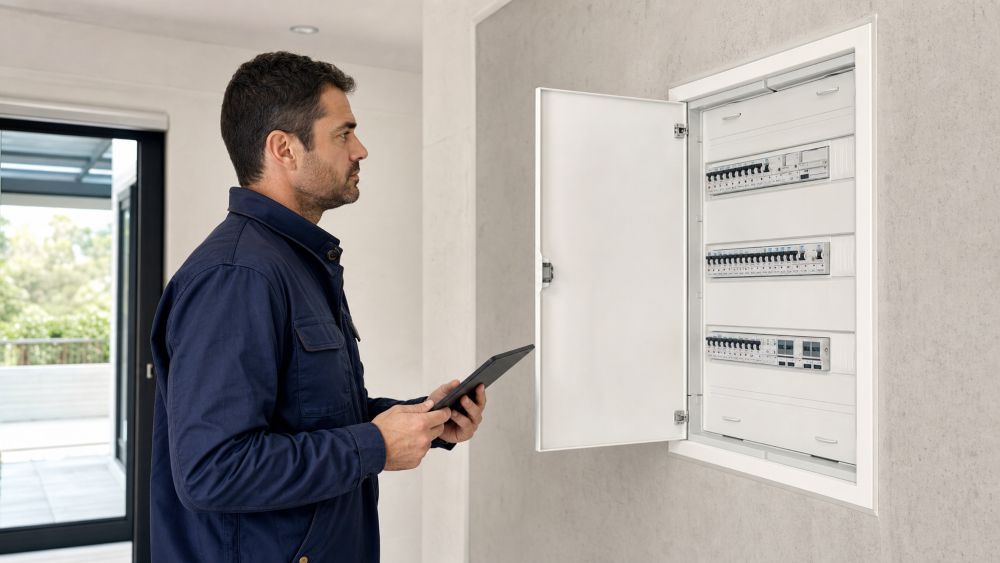
Check the circuit breakers on the electrical panel. The circuit breaker that powers the charging point may have tripped for some reason. If so, reset it and check if charging resumes.
Check if there is power to other outlets. If there is no light or appliances are not working, it may be a general power outage.
Check for power surges or brownouts. Some older electrical installations are not designed to handle the demand of a charger. This can cause the circuit breaker to trip or the charging to be interrupted for safety reasons.
Community connections. If you charge in a community garage, there may be a problem with the central installation or a fault unrelated to your own vehicle.
Is it a fault with the car or the charging point?
If everything seems to be fine with the charger and the electrical installation, it’s time to determine whether the fault lies with the vehicle or the charging point. Here’s a simple way to do this:
Try another charging point. If you have access to a nearby public charger or know someone with a working charging point, try connecting your car there. If it charges correctly, the problem is with your original charging point. If it doesn’t charge either, the fault is more likely to be with the vehicle or the cable.
Try another vehicle (if possible). If you have access to another electric car, try charging it at your usual charging point. If that other car charges fine, the problem is likely to be with your vehicle.
This simple cross-check can help you narrow down the cause of the fault without any special tools.
How to check if the problem is with the charging cable
The charging cable is one of the most exposed parts and, therefore, a common source of problems. Here’s how to check it:
Complete visual inspection. Look carefully for cuts, sharp bends, or burnt areas on the cable. If you find any damage, do not use it. It could pose an electrical hazard.
Check the connectors. Make sure the connector pins are not bent, dirty, or corroded. Also check for loose or broken parts.
Try another cable. If you have another compatible cable, use it to see if the car starts charging. If it works with the new cable, you have identified the problem.
Be careful with adapters. If you are using an adapter (e.g., Type 2 to Schuko), make sure it is approved and in good condition. Faulty adapters can cause charging errors.
When to call a specialist technician?
Although many problems can be identified and resolved at home, there are situations where it is necessary to contact a professional. Here are some of them:
You have checked the charger, the cable, and the electrical installation, and everything seems to be correct, but the car still won’t charge.
The car displays an error message related to the charging system.
The charging point shows signs of persistent failure (e.g., constant error lights or power outages).
The circuit breaker in your home trips every time you plug in your car.
You detect a burning smell, strange noises, or excessive heat when trying to charge.
In these cases, it is best to stop trying to charge the car and contact a specialist technician to analyze the problem and find the cause of the fault.