The arrival of electric cars has changed the way we understand mobility. One of the main advantages of this type of vehicle is that you can recharge the battery at home, which is a more convenient and cheaper solution in the long term than refueling with fossil fuels.
However, to really save money, it is important to understand how electricity rates work, what factors influence the final price, and what habits help reduce costs.
The cost of recharging an electric car depends on several factors, but the main one is the price of electricity at the time of charging. To calculate this, the vehicle’s consumption (measured in kWh/100 km) and the price per kWh of the contracted rate are taken into account.
An example may clarify this:
This means that a full tank of a car with a 50-kWh battery would cost approximately 10€ if the price is 0,20 €/kWh. Compared to a gasoline car, which can cost more than 8€ per 100 km, the difference is clear.
However, the actual cost is not always fixed. It can vary depending on:
Therefore, beyond the average price, it is useful to know how to take advantage of tariffs and schedules to make charging as cheap as possible.
If you want to know more, you may be interested in:
How much it costs to charge an electric car?
There are several simple strategies that can help reduce costs:
Electricity companies often offer time-of-use rates, which means that electricity is cheaper at certain times of the day. Off-peak hours usually coincide with nighttime and early morning. Scheduling charging during this period can cut the cost in half or even more.
It is not always necessary to charge your car at the maximum available power. By adjusting the charging speed to your actual needs (for example, charging slowly overnight), you can reduce peak consumption at home and make better use of cheaper hours.
Some devices allow you to automatically schedule charging during the cheapest times. This way, you don’t have to worry about plugging it in at exactly the right time: just plug in your car and let the system manage when to charge.
As with cell phones, it is not advisable to keep the battery at 100% all the time. Ideally, you should stay between 20% and 80% capacity, except on long trips. This not only saves energy, but also extends the battery’s life.
In homes with solar panels, electric cars can be charged using the energy generated during the day. This reduces your electricity bill and allows for more sustainable use of electricity.

The experience of charging an electric car at home can vary greatly from one household to another. These are the most relevant factors:
The electrical power contracted for the home determines how many devices can be used at the same time. A car charger can consume between 3.7 kW and 7.4 kW in domestic installations, so it is advisable to check whether the contracted power is sufficient or whether it will be necessary to increase it.
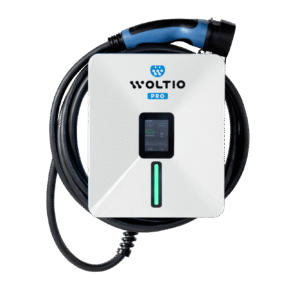
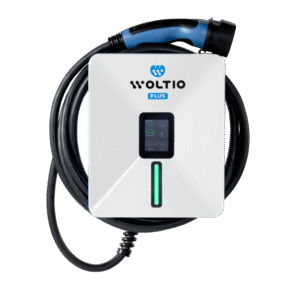
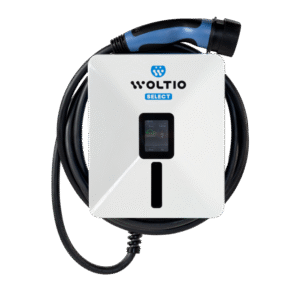
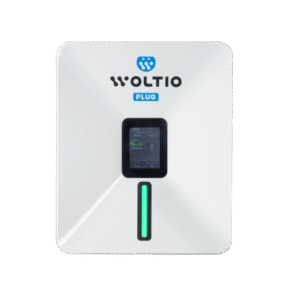
A car can be charged from a conventional outlet, but it is more common to install a specific charging point (wallbox). This equipment allows for safer, faster, and more efficient charging. The power and functions of the charger will influence the speed and management of consumption.
Electric vehicles have batteries of different sizes. A small car can have a capacity of 30 kWh, while a model with greater autonomy can exceed 70 kWh. The larger the battery, the more time and energy are needed for a full charge.
The price of electricity is not the same at all times. Some rates apply a fixed price throughout the day, while others distinguish between peak, flat, and off-peak hours. This difference directly influences the final cost.
If you drive many miles every day, you will need to charge more frequently. On the other hand, moderate use of the car allows you to take better advantage of the cheapest hours and plan your charging with peace of mind.
In some older buildings, the electrical installation may not be equipped to handle high additional consumption. In such cases, it may be necessary to adapt the installation to avoid overloads or power outages.
Don’t forget to read:
How to save on your electricity bill when charging your electric car.
Electricity companies offer different types of rates, and not all of them are equally advantageous for charging an electric car at home. These are the most common ones and their characteristics:
You pay the same price per kWh throughout the day. Its main advantage is predictability: no matter when you charge your car, the price will always be the same. However, it may be less economical than other options because it does not take advantage of the cheapest hours on the grid.
This divides the day into different periods with different prices. There are usually three periods:
For electric car owners, this is usually the most recommended rate. By scheduling charging during off-peak hours, you can significantly reduce your costs.
Here is more information about the advantages of time-of-use rates:
Night charging vs. daytime charging: which is better for your car in the long run?
Some suppliers offer specific plans for this type of user. They usually include a very low price during nighttime hours, precisely to facilitate recharging. They may also offer discounts or conditions tailored to the habits of those who regularly charge at home.
In this case, the price per kWh depends directly on the wholesale electricity market. It can be very cheap at certain times, but it can also rise unexpectedly. This is an interesting option for users who can monitor the price and adapt their charging according to daily fluctuations.