We will be on holiday from 8 to 21 August. We will dispatch your order upon our return. Thank you for your patience.

How to prepare your charger for winter: maintenance and safety at home

With the arrival of winter, low temperatures and humidity can affect the performance of electric vehicles and their charging systems. That’s why it’s essential to prepare your charger properly, not only to maintain its longevity, but also to ensure the safety of your home and your vehicle.

How should I charge my electric car in winter?

Winter presents several challenges for electric vehicles, mainly due to the cold weather affecting the battery.

Unlike combustion cars, electric car batteries lose efficiency when temperatures drop.

This means that range may decrease and charging times may increase if precautions are not taken.

To optimize charging during winter, it is important to follow some practical tips:
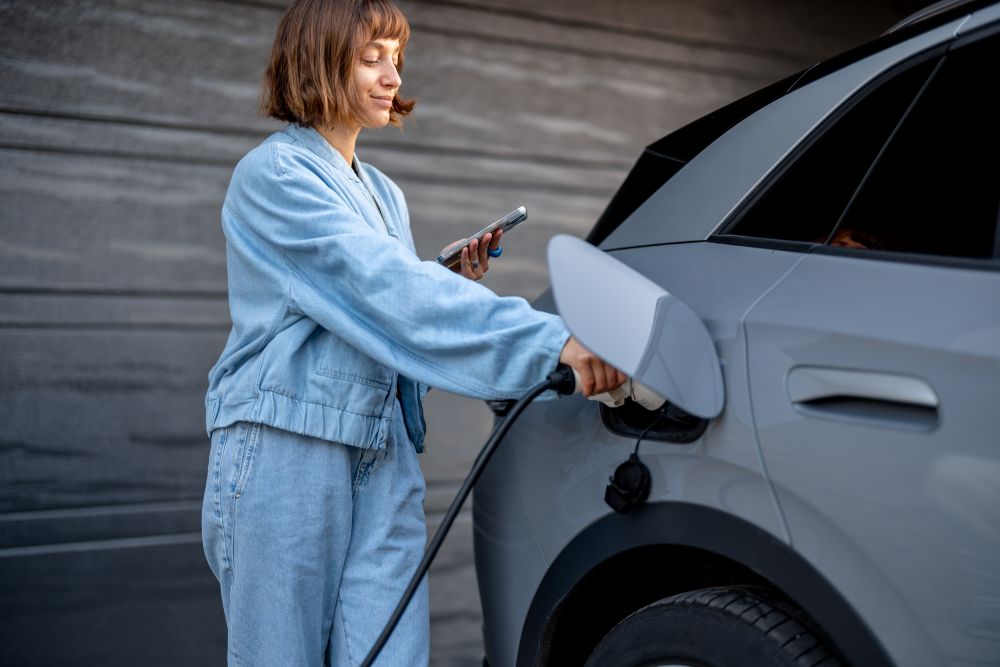
  • Avoid charging with a completely empty battery. Lithium-ion batteries, which are the most common in electric cars, work best when kept in an intermediate charge range, generally between 20% and 80%. Charging the battery to 100% only when you really need to helps reduce cold stress and prolongs its life.
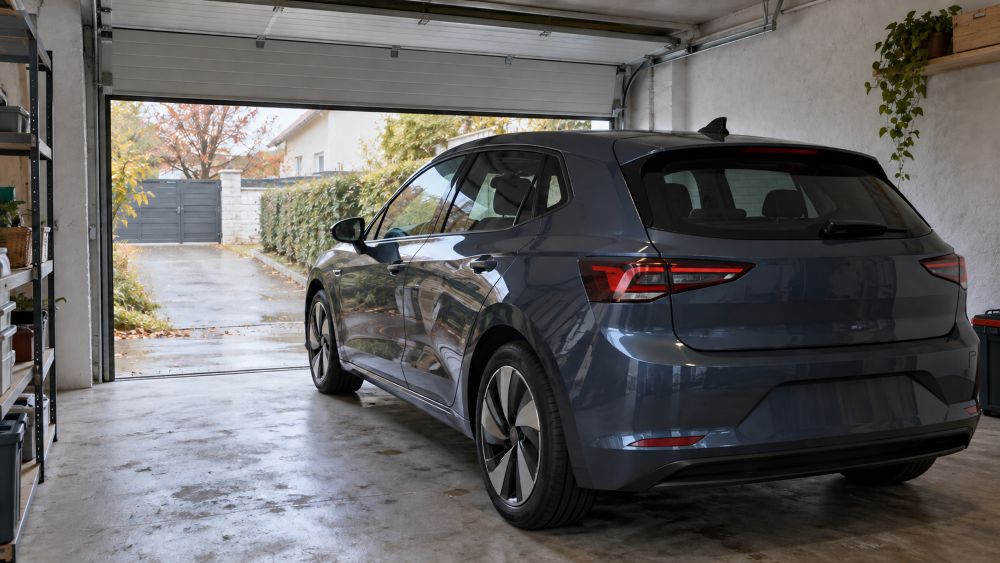
  • Charge indoors if possible. If you have a garage or covered space, it is preferable to charge your electric car there. Low temperatures slow down the charging process and can increase energy consumption. A protected space keeps the battery at a more stable temperature and facilitates more efficient charging.
  • Pre-condition the battery before charging. Some electric vehicles allow you to warm up the battery before starting to charge. This improves efficiency and prevents damage from extreme cold. If your car has this feature, use it especially on colder days.
  • Use certified chargers that are suitable for your vehicle. Although all chargers comply with basic safety standards, those designed specifically for your electric car model usually include protection systems against low temperatures and current fluctuations, which reduces risks and ensures that the battery charges optimally.
  • Avoid charging at full power in very cold weather. Fast charging in very low temperatures can generate excessive heat in some parts of the battery and affect its long-term health. On colder days, it is advisable to opt for slower, more consistent charging.

Should I plug in my electric vehicle every night in winter?

Many electric car owners wonder if it is necessary to keep their vehicle plugged in every night, especially in winter. The answer depends on several factors, but in general, it can be beneficial under certain conditions.

  • Keep the battery at a stable temperature. A cold battery loses efficiency and may take longer to charge. By keeping the car connected, some vehicles activate thermal regulation systems that maintain the battery at an optimal temperature. This protects the battery from extreme cold and facilitates fast charging when you need it.
  • Avoid deep discharge. During winter, energy consumption increases due to the use of heating and other electrical systems in the car. If you leave the battery without sufficient charge, you run the risk of partially draining it, which can affect its useful life. Keeping the car plugged in allows the battery to recharge automatically if it drops below a certain level.
  • Plan according to your daily use. Not all users need to plug in their car every night. If your daily commute is short and your battery holds enough charge, plugging in every two or three nights may be sufficient. However, in areas with very low temperatures, plugging in your car daily is a recommended precaution.
  • Home safety. If you decide to keep your car plugged in overnight, make sure the electrical installation and charger are in good condition. Avoid extending cables or using improvised adapters. Electrical safety is essential, especially when charging for several hours at a time.

Maintenance tips for your electric car charger in winter

Your electric car charger requires specific care during the winter. Moisture, cold, and dust can affect its performance if precautions are not taken. 

Although you can read our tips to keep your electric car charger in perfect condition in this post, when it comes to charger maintenance during cold spells, specific solutions must be sought to avoid problems during recharging.

Here are some recommendations to keep your charger safe and always operational during the coldest weeks of the year:
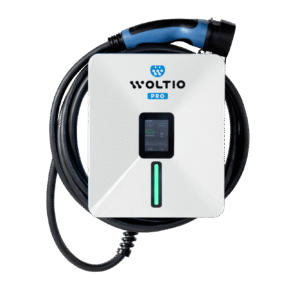
  • Check the cable and plug before each charge. Cables exposed to cold temperatures can become stiff and more prone to damage. Before connecting your vehicle, inspect the cable, plug, and car connector. Look for cracks, cuts, or signs of wear. If you detect any damage, avoid using the charger until it has been checked by a professional.
  • Keep the charger protected from moisture. Rain, snow, and condensation can cause short circuits if the charger is not designed for outdoor use. Ensure that chargers installed outdoors have the appropriate IP rating (usually IP54 or higher) and avoid exposing them directly to the elements.
  • Regular cleaning. During winter, dust and road salt can accumulate on the charger. Clean the casing regularly with a dry or slightly damp cloth. Do not use water directly or abrasive products that could damage the electrical components.
  • Avoid winding the cable tightly. When storing the cable after each use, do so without forcing it or bending it at sharp angles. Cold weather makes the material less flexible, which can cause cracks over time. Use supports or hooks designed to wind the cable without damaging it.
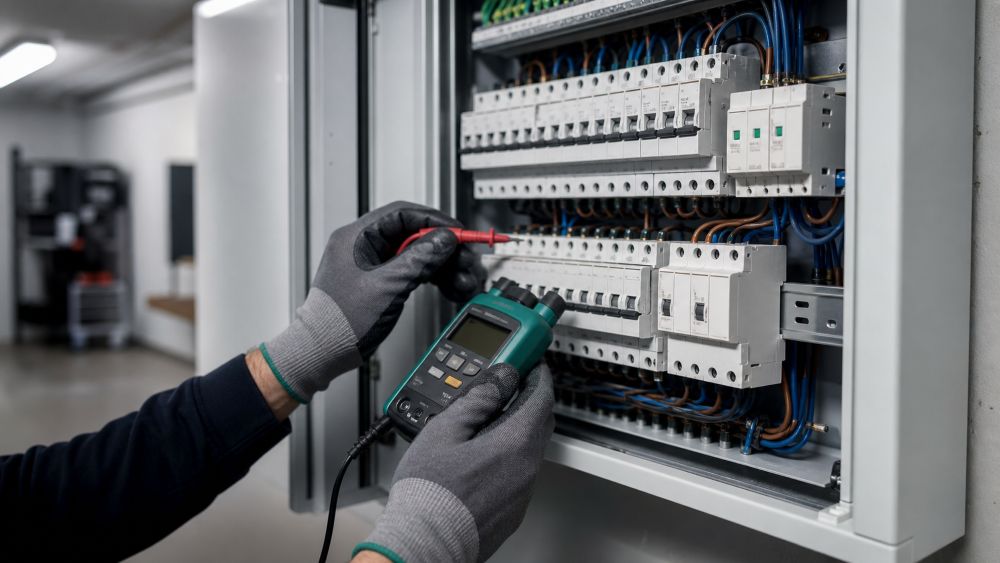
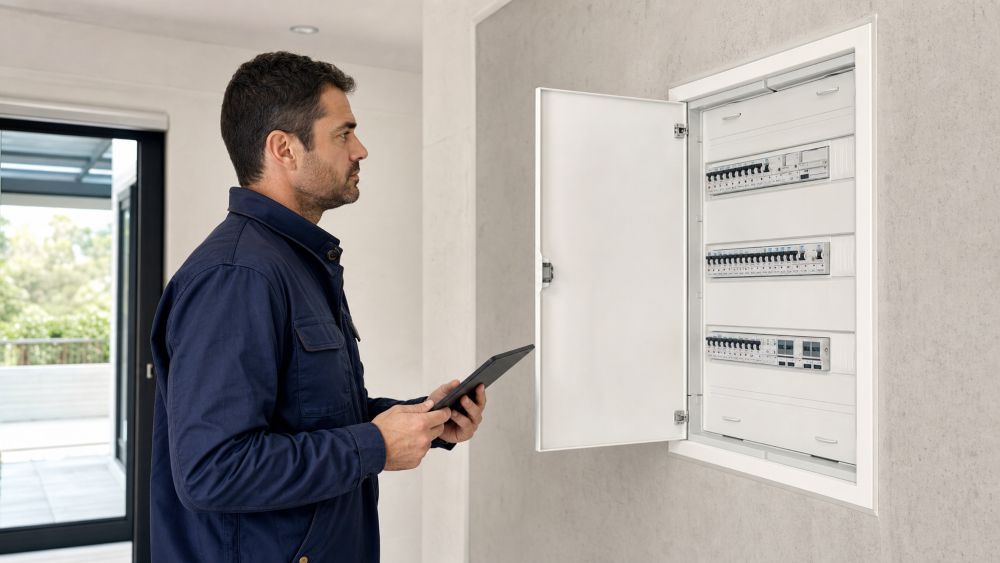
  • Check the electrical installation. Before winter, it is advisable to have a certified electrician check the charger installation. This includes checking the condition of the plugs, fuses, and ground connection. Proper installation reduces the risk of electrical faults and increases safety during overnight charging.
  • Avoid using uncertified external timers. Some people use timers to schedule charging. If you do this, make sure they are compatible with the current required by the charger and that they have safety certifications. Using inappropriate devices can cause overheating or electrical faults.
  • Monitor the charger’s performance. Many modern chargers can be connected to apps or monitoring systems. During the winter, check periodically to see if charging is completing correctly and if the charger is detecting any errors. Detecting faults early prevents major problems and ensures that your vehicle is always ready to use.

Descubre nuestros cargadores