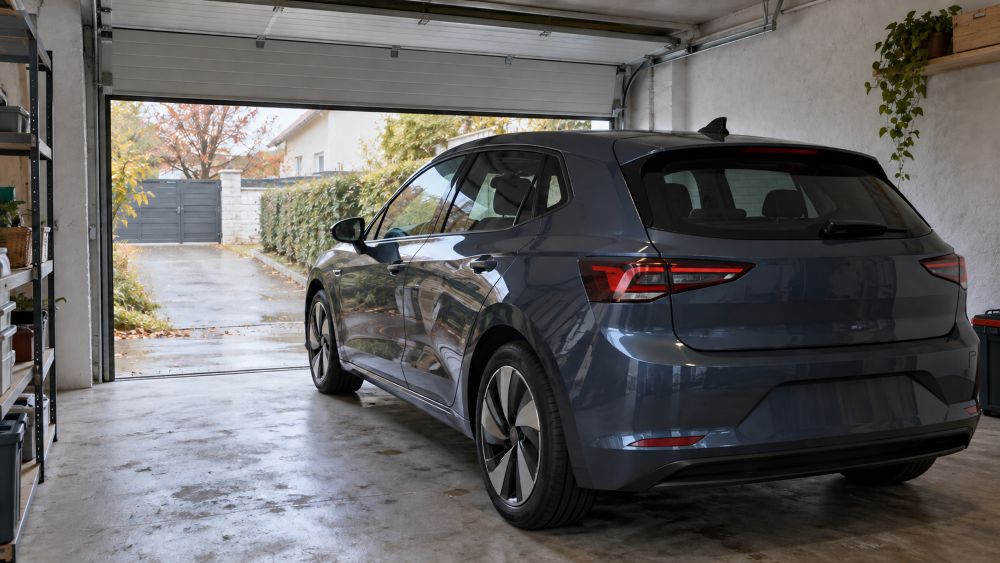
Although electric car chargers are built to be robust and reliable, keeping them in good shape is essential to ensure optimal performance and extend their lifespan.
Maintenance Tips for Your EV Charger
If you want to keep your electric car charger in great condition, take a look at these tips to help prolong its life:
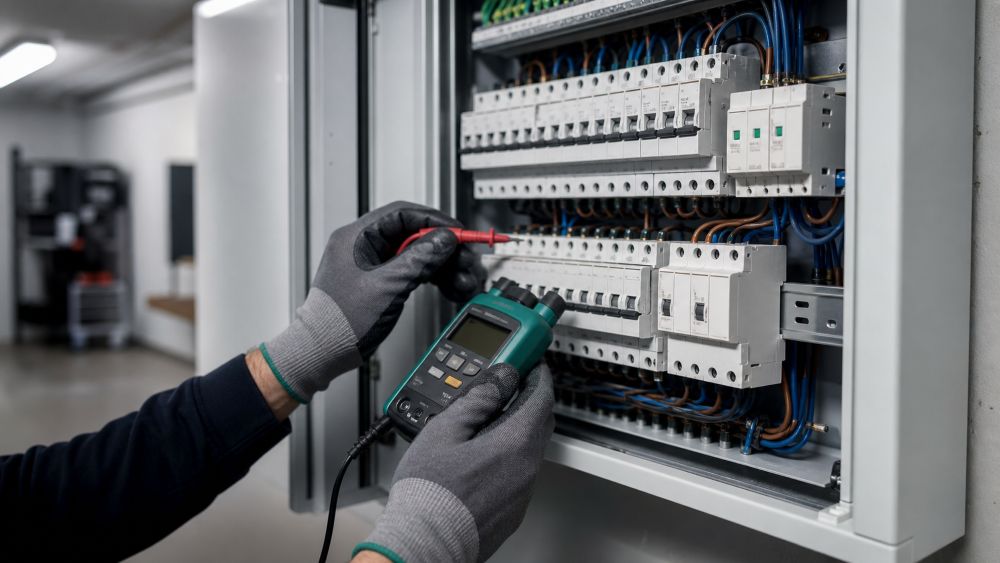
Perform Frequent Visual Inspections
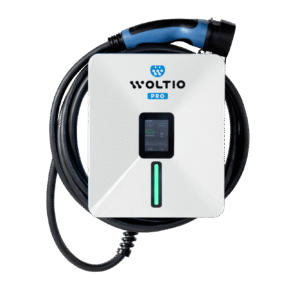
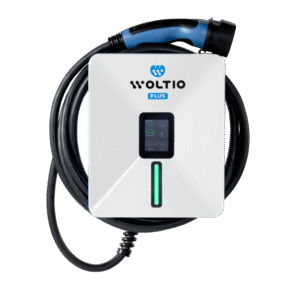
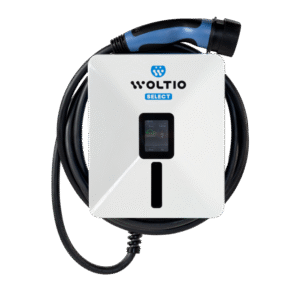
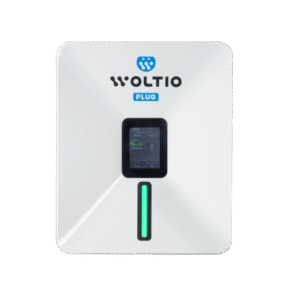
It’s important to carry out regular checks on your charger. Take a few minutes to ensure there are no signs of wear, damaged cables, or loose connections. Also, inspect the casing for cracks, burn marks, or signs of moisture. The charger’s build quality plays a key role in its durability. In this regard, unlike conventional chargers with plastic casings, WOLTIO models are built with a more robust structure, making them among the most durable and reliable options on the market.
Performing these regular inspections allows you to detect any issues early. If you find any damage, it’s best to contact a professional or the manufacturer’s technical support. Avoid attempting to repair internal components yourself, as this could worsen the issue or compromise your safety.
Clean It Regularly and Properly
Dust and dirt are the enemies of all electronic devices. Keeping your charger clean is essential for proper functioning. Use a soft, slightly damp cloth to wipe the outer surface. Avoid abrasive products or excessive moisture, as these could damage the casing or internal components.
If the area where your charger is installed is prone to dust or humidity, keep it clean and, if possible, use a protective cover to block out unwanted elements.
Knowing your EV charger well helps you clean it correctly. If you own a WOLTIO charger, their support team can help you understand the product in depth and offer guidance on keeping it in optimal condition.
Use the Charger Properly
Using the charger correctly is key to ensuring its longevity. Always follow the manufacturer’s instructions. These guidelines are designed to optimize performance and prevent unnecessary damage. Some key aspects include:
- Connection and disconnection: Always follow the recommended order. In many cases, it’s advised to connect the charger to the vehicle first and then to the power source. To disconnect, do the reverse. This helps prevent power surges and potential short circuits.
- Avoid improper use: Don’t use the charger in conditions it wasn’t designed for. If the device is rated for outdoor use, make sure it’s protected from rain or excessive humidity—or vice versa.
- Don’t overload: While modern chargers include safety systems, avoid operating the device in extreme conditions or for extended periods. Follow the recommended charging times and avoid leaving the vehicle plugged in after it’s fully charged when possible.
Check Cables and Connections
Cables are a vital part of the charging system. Over time, frequent use may cause wear or damage to the insulation. Regularly inspect the cables and connectors for signs of abrasion, cuts, or discoloration. If you find anything unusual, replace the cable or contact technical support.
Ensure that all connections are secure and free from corrosion. If you notice any rust or dirt buildup on plugs, carefully clean them with a dry cloth. Poor contact can lead to inefficient charging and potential safety hazards, so these components should always be in top condition.
Avoid Overheating
Overheating is one of the biggest threats to electronic devices and often stems from poor maintenance. If the charger gets too hot, it can damage internal components and significantly shorten its lifespan. To avoid this, pay attention to the following:
- Proper placement: Make sure your charger is installed in a well-ventilated area. Avoid enclosed spaces with poor airflow.
- Avoid direct sunlight: In hot climates, direct exposure to the sun can increase the device’s temperature. If possible, install the charger in a shaded area or use additional protection.
- Monitor during use: Keep an eye on the charger while it’s in operation. If it becomes excessively hot, unplug it and let it cool down before using it again.
Follow the Manufacturer’s Recommendations
Every EV charger comes with a user manual containing specific usage and maintenance instructions. It’s essential to read and follow these recommendations closely. Manufacturers design these devices with various operating conditions in mind, so their instructions are the best guide to care for your charger.
The manual will outline maintenance intervals, ideal environmental conditions, and warnings about improper use. Don’t overlook this information—it can help prevent issues and indicate when a more thorough inspection is necessary.
Schedule Preventive Maintenance
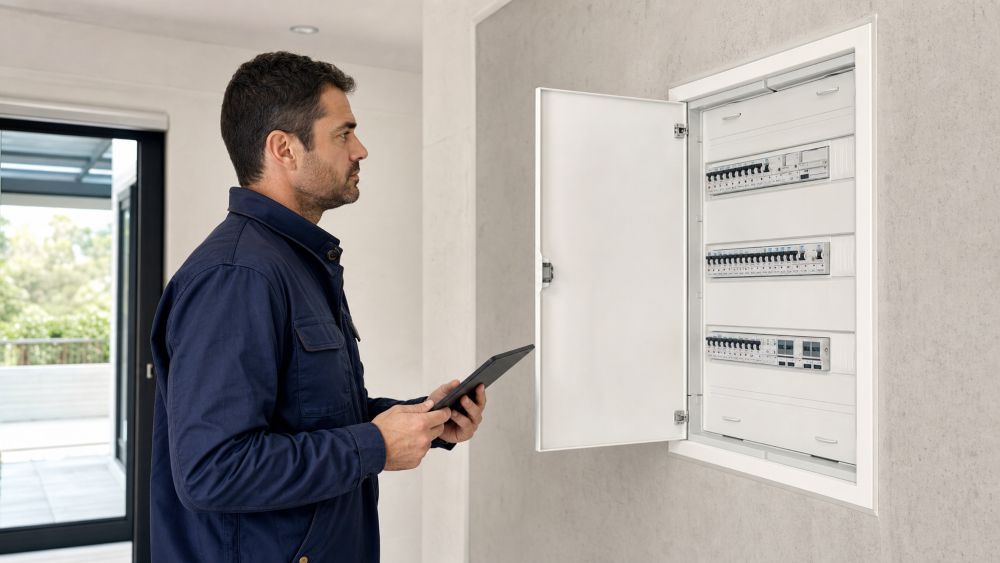
Beyond regular visual inspections and cleaning, it’s wise to schedule more comprehensive preventive maintenance. This may involve taking your charger to a specialized service center for an internal check-up.
A technician can examine the electronic components, update the firmware if necessary, and verify that all safety systems are functioning properly.
The frequency of this preventive maintenance depends on usage and environment. If you use your charger intensively or in extreme conditions, annual or even biannual checkups may be necessary. Consult the manufacturer or your service provider to determine the ideal schedule.
Protect the Charger from Harsh Environmental Conditions
While many chargers are designed for outdoor use, not all offer the same level of protection. Prolonged exposure to rain, snow, or dusty environments can deteriorate components. To safeguard your charger, consider the following:
- Install it in a sheltered location: Whenever possible, place the charger under a roof or structure that protects it from water and dust.
- Use covers and protective gear: Weather-resistant covers designed for EV chargers can be a worthwhile investment to extend your device’s lifespan.
- Check after extreme weather events: After storms or sudden weather changes, inspect the charger for signs of damage. Moisture or dirt buildup can affect performance.
Keep a Maintenance Log
Keeping a detailed log of your charger’s maintenance can be very useful. Record the dates of inspections, cleanings, and any technical servicing. This helps you monitor the device’s condition and spot recurring issues. It’s also handy if you need technical support or want to make a warranty claim.
You don’t need anything fancy—a simple notebook or spreadsheet is enough. What matters is that you update it every time you perform maintenance or repairs.