Electric mobility is now part of our everyday lives. More and more electric and plug-in hybrid cars are on the road, which means there is a greater need for charging points in all kinds of spaces.
For many businesses and hotels, this transformation represents an interesting opportunity: offering an extra service to customers and employees, adapting to regulations in good time, and improving their image in society. Installing charging points is not a complicated process, but it does require planning.
Having a charging point in a company or hotel has many advantages. First, it clearly improves the customer experience.
Being able to recharge your vehicle while enjoying the services of a hotel, restaurant, or shopping center provides convenience and builds loyalty.
At the same time, offering this service projects a positive image of the company, demonstrating its commitment to sustainability and sensitivity to new forms of mobility.
The installation can also attract new customers. Many electric vehicle drivers choose where to stay or where to shop based on whether or not they can recharge their car.
In the case of employees, the situation is similar, as they can choose to charge their cars in the company car park during working hours, which ends up being another incentive among all the work-life balance measures.
The installation process always begins with an analysis of actual needs. Not all companies require the same infrastructure, so it is important to determine how many chargers will be needed, how much power will be required, and what type of users will be using them.
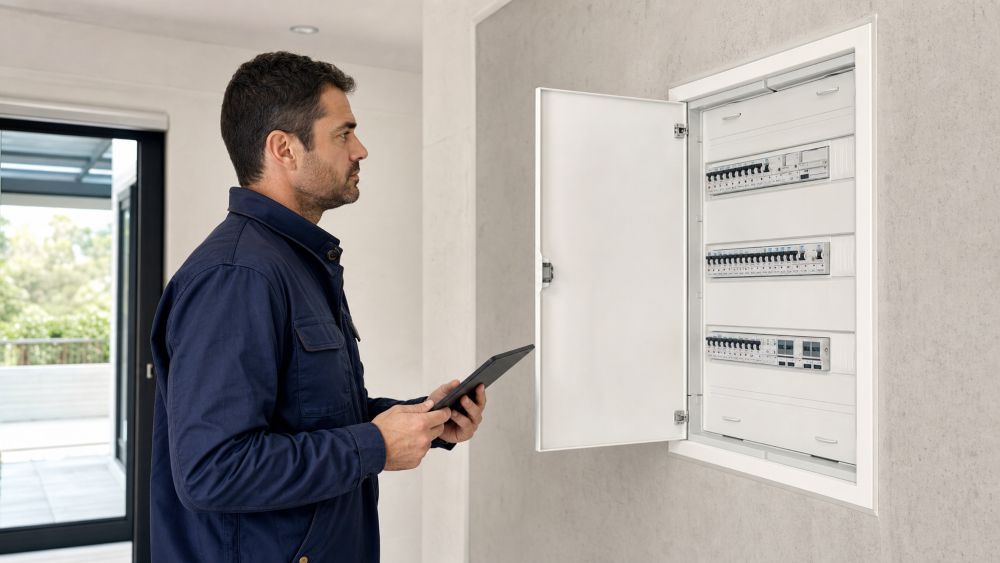
Once this has been defined, a study of the existing electrical installation is carried out, as it may be necessary to increase the contracted power or reinforce certain elements to meet the new energy demand.
With this information, the most suitable type of charger is chosen. There are different alternatives, from slow charging equipment, which is more suitable for long-stay parking lots such as those at hotels, to fast chargers, which allow you to recover autonomy in a few minutes and are common at service stations or transit areas.
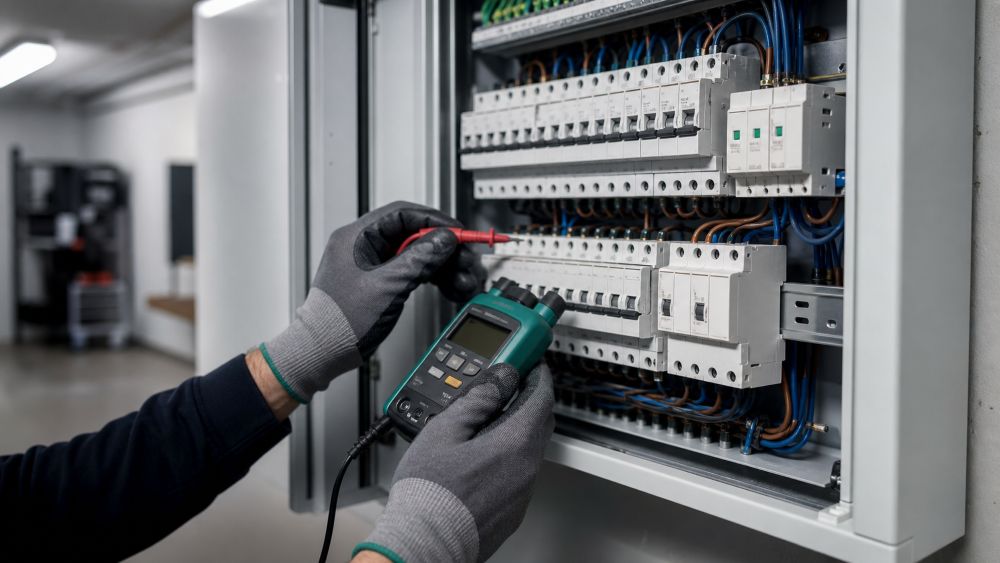
After choosing the equipment, it is time for the actual installation, in which an authorized company installs the chargers, wiring, and necessary protections to ensure safety.
The installation must be legalized before the corresponding administration, which ensures that it complies with current regulations. From there, all that remains is the commissioning and maintenance phase. It is advisable to monitor the use of the equipment and carry out periodic checks to prolong its useful life and ensure safe and stable service.
The obligation to install charging points depends on the regulations applicable to each type of building.
In Spain, new non-residential buildings, as well as those undergoing major renovations, must include a minimum number of spaces with pre-installed charging points from the outset. In addition, from 2023, all non-residential buildings with more than twenty parking spaces are required to have at least one charging point.
In addition to the above, there are regional and local regulations, which in some cases establish additional requirements. It is therefore important to consult the specific regulations of each community or municipality before planning the installation.
Although many companies are not yet under any immediate obligation, the trend is clear: regulations are gradually becoming stricter and, sooner rather than later, it will be essential to have this type of infrastructure in place.
The cost of installing charging points can be reduced thanks to available public subsidies. The most relevant at the national level is the MOVES Plan, managed by the autonomous communities. This program finances a significant percentage of the installation cost, which can range from 30% to 80%, depending on the type of beneficiary and the conditions of the call for applications.
The grants can be applied for by companies, individuals, neighborhood associations, and public administrations. They cover not only the purchase of the equipment, but also the necessary civil works, electrical installation, charging management systems, and other related items. To access them, it is necessary to submit estimates, justify the expenses, and meet the deadlines established in each call for applications.
Alongside the MOVES Plan, there are sometimes municipal or European programs that supplement the funding. For this reason, it is highly recommended to find out about all the options available before starting the investment, as they can lead to considerable savings.
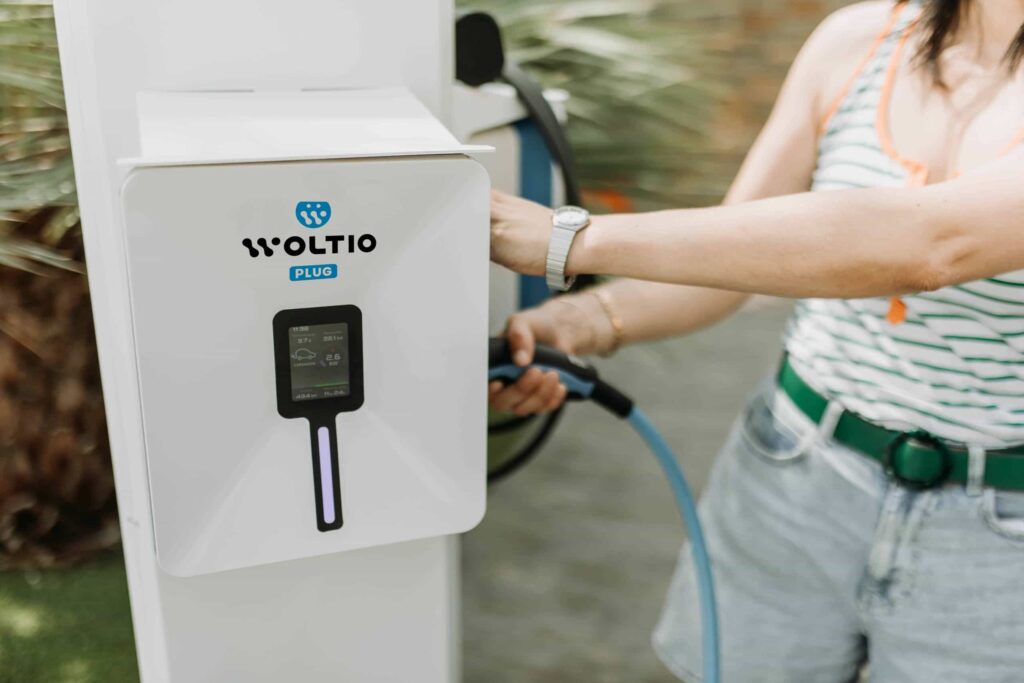
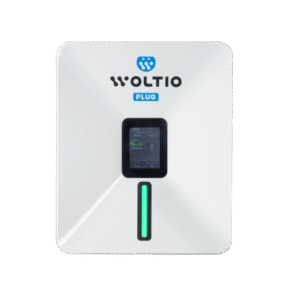
Among the different models of chargers available on the market, one of the most suitable options for businesses and hotels is the WOLTIO PLUG. One of its main advantages is that it is easy to install and does not require complex construction work, which reduces costs and facilitates commissioning.
It is a compact device that can be installed in almost any parking lot without taking up too much space, and at the same time is compatible with most electric vehicles currently available, ensuring universal use for both customers and employees.
The charger has safety systems that protect the installation and ensure stable charging, minimizing electrical risks.
In addition, its versatile design allows it to be used in different environments, from private garages to business spaces and hotels. For all these reasons, it is a practical option for businesses that want to offer this service reliably and without complications.
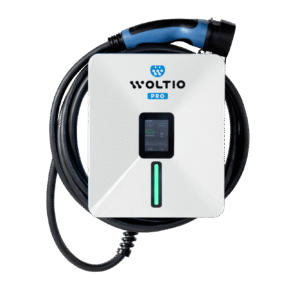
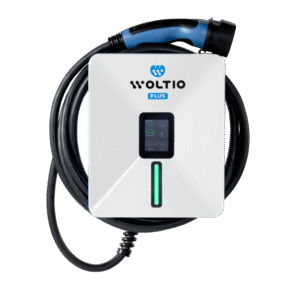
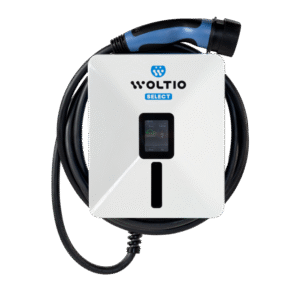
Check out the full range of electric car chargers for companies.