Does cold weather affect your electric car’s battery?
With the arrival of winter, many electric car drivers notice a change in their vehicle’s performance.
Range decreases, charging times increase, and consumption rises. There is an explanation for all this: low temperatures directly affect the battery, which is the heart of this type of car.
Understanding why this happens and what can be done to minimize it is essential to getting the most out of an electric car in cold weather.
How does cold weather affect electric car batteries?
Electric car batteries are made up of cells that store chemical energy. That energy is then converted into electricity to power the motor.
Most of these batteries use lithium-ion technology, which is very efficient but sensitive to extreme temperatures.
When the temperature drops, thechemical processes inside the battery slow down. Lithium ions have more difficulty moving between the anode and cathode, which are the poles responsible for charging and discharging. This causes a decrease in performance.
In practice, this has several effects:
Reduced range. This is the most obvious change for the driver. In cold weather, the battery cannot deliver the same amount of energy as it does in mild temperatures. According to various studies, the loss can be between 10% and 40%, depending on the intensity of the cold and other factors such as the use of heating.
Increased energy consumption. The car needs more energy to heat the passenger compartment, the seats and, in many models, the battery itself. This extra demand causes the battery to discharge faster.
Slower charging. When the battery is cold, the charging speed is reduced. This is because charging too quickly in these conditions can damage it. To prevent this, management systems limit the power input. As a result, the waiting time at the charger may be longer.
Lower energy recovery during braking. Regenerative braking, which returns part of the energy to the battery, is also affected. If the battery is very cold, it can accept less charge at once, so the regeneration capacity decreases.
Greater long-term wear and tear if not cared for properly. Although cold weather alone does not destroy a battery, poor management in winter can reduce its lifespan. For example, always charging the battery when it is completely frozen can create internal stresses that shorten its durability.
Cold weather not only limits battery range, it also affects the overall electric car experience. However, there are strategies and habits that can help counteract these effects.
How can you improve the performance of an electric car in winter?
Although you can’t prevent low temperatures from affecting the battery, you can reduce their impact. Electric car manufacturers incorporate systems to protect and heat the batteries, but driver behavior is also key. Here are some measures that can improve performance:
Pre-condition the vehicle. Many electric cars allow you to program the heating of the passenger compartment and battery before starting your journey, while they are still connected to the mains. This way, energy is consumed from the power outlet and not from the battery.
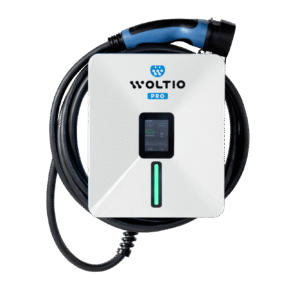
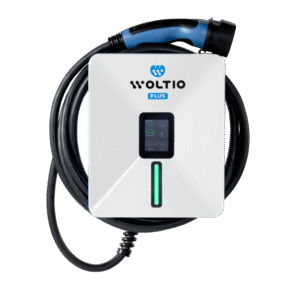
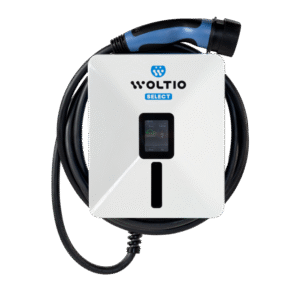
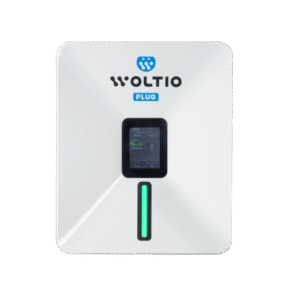
Keep the car plugged in whenever possible. If you have a charger at home, leaving the car connected helps the management systems maintain the battery at a suitable temperature. This does not mean charging it constantly, but allowing the car to use external energy to maintain optimal internal conditions.
Take advantage of heated seats and steering wheel. Heating the entire passenger compartment consumes more energy than using localized heating systems. If your car has heated seats or a heated steering wheel, using them can be more efficient than relying solely on the general climate control system.
Drive efficiently. In winter, it is best to avoid sudden acceleration and maintain a steady speed whenever possible. This helps the battery discharge more slowly.
Plan your trips. Taking longer trips allows the battery to reach a more suitable operating temperature. On very short trips, the cold has a greater impact because the battery does not have time to warm up.
Use charging planning apps. On long trips, it can be useful to plan stops at fast chargers. If the battery has warmed up while driving, it will accept recharging better.
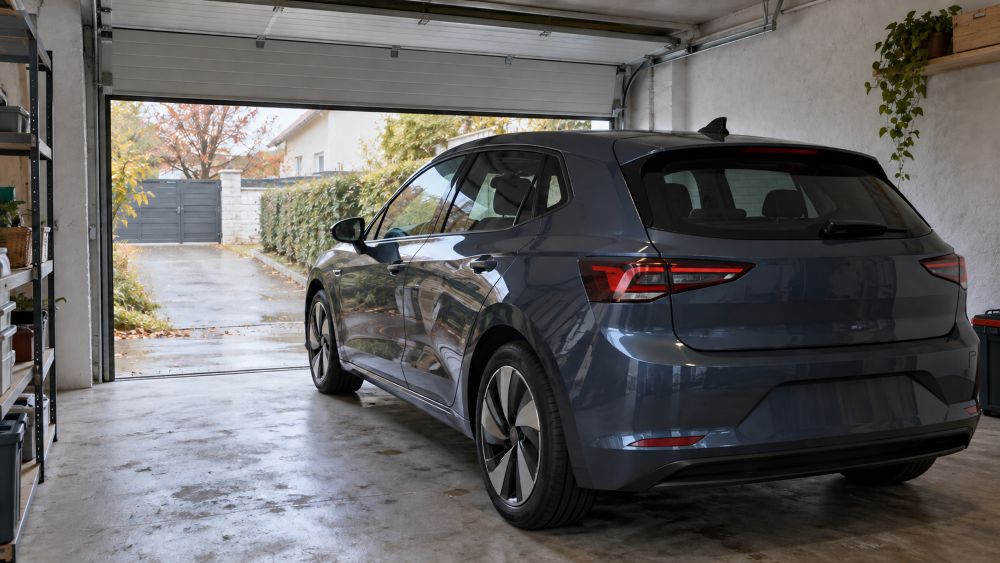
Avoid leaving your car exposed to extreme cold. Whenever possible, it is advisable to park in closed garages or at least in sheltered places. This can make a significant difference on colder mornings.
With these practices, even if the range is still shorter than in summer, the loss will be more manageable and the use of the car more comfortable.
Maintenance tips for your battery in cold weather
In addition to driving habits, it is also important to pay attention to battery and general car maintenance during the winter. Proper care can extend the battery’s life and prevent problems.
Do not always charge to 100% or discharge completely. This advice is valid in any season, but it is even more important in winter. Extreme charges increase stress on the battery, and this effect is accentuated in cold weather. It is recommended to keep the level between 20% and 80% on a daily basis.
Allow the battery to warm up before fast charging. If you need to use a high-power charger, it is best to do so after driving for a while. This will warm up the battery and allow it to accept the charge more efficiently.
Check the air conditioning system and heat pump. Some electric cars have a heat pump, which is more efficient than an electric heater for warming the passenger compartment. Keeping these systems in good condition helps to consume less energy.
Keep an eye on your tires. Although they do not directly affect the battery, tires with the correct pressure and designed for winter improve efficiency. Lower rolling resistance means less effort for the battery.
Use software updates. Manufacturers often release improvements in battery management and climate control systems. Keeping your software up to date ensures that your car is running with the latest optimizations.
Avoid prolonged exposure to very low temperatures without use. If the car is not going to be used for several days, it is best to leave the battery charged at an intermediate level, around 50%. This is safer than storing it fully charged or almost empty.
Have regular checkups. A professional checkup can detect problems with the battery or charging systems early on. In winter, when demands are greater, these checkups are even more useful.