Every summer, the number of people traveling by electric car increases. Improved vehicle range and the growth of the charging network have made this option an increasingly common alternative for getting around during the holidays.
That is why having charging points is no longer just an additional service for hotels and tourist accommodation. In many cases, it has become a factor that influences the booking decision. Travelers especially value being able to charge their vehicle while they rest, without having to look for public stations or change their itinerary.
Installing an electric car charger can also bring advantages to the establishment itself, improving the customer experience and setting it apart from other accommodation options in the area. However, before carrying out the installation, it is advisable to analyze different aspects in order to choose the most suitable solution.
Why installing chargers can make a difference in tourist accommodation
Travelers’ needs are changing. More and more customers, when booking a hotel, check whether it has parking and charging points for electric vehicles.
For many of them, having this service means greater peace of mind during the trip. They know they will be able to start the next stage with a fully charged battery without depending on the availability of public chargers.
In addition, offering this type of facility conveys an image of innovation and commitment to more sustainable mobility, an aspect increasingly valued by many domestic and international travelers.
It also represents an opportunity to attract new customer profiles. Electric vehicle owners often plan their journeys based on the charging options available, so a hotel equipped with chargers may appear among their first choices.
As the number of electric vehicles increases, having this infrastructure will cease to be a differentiating feature and become an increasingly common service within the tourism sector.
You may be interested in:
How to implement charging points in your business? Quick guide for companies and hotels.
What type of charger is suitable depending on the type of hotel or accommodation
Not all establishments have the same needs. The most suitable type of charger will depend on the guest profile, the average length of stay, and the characteristics of the parking area.
In hotels where customers stay overnight, it is usually enough to install alternating current chargers, since the vehicle has several hours to charge comfortably.
In rural accommodation, tourist apartments, or holiday homes, the operation is very similar. Guests usually leave their car parked for long periods, so there is no need to use high power levels.
By contrast, establishments with high customer turnover or those that receive users for only a few hours may consider solutions with greater charging capacity to reduce waiting times.
What aspects you should consider before installing charging points
Before adding chargers to a hotel or tourist accommodation, it is advisable to carry out a small assessment of the establishment’s real needs.
Available power and installation capacity
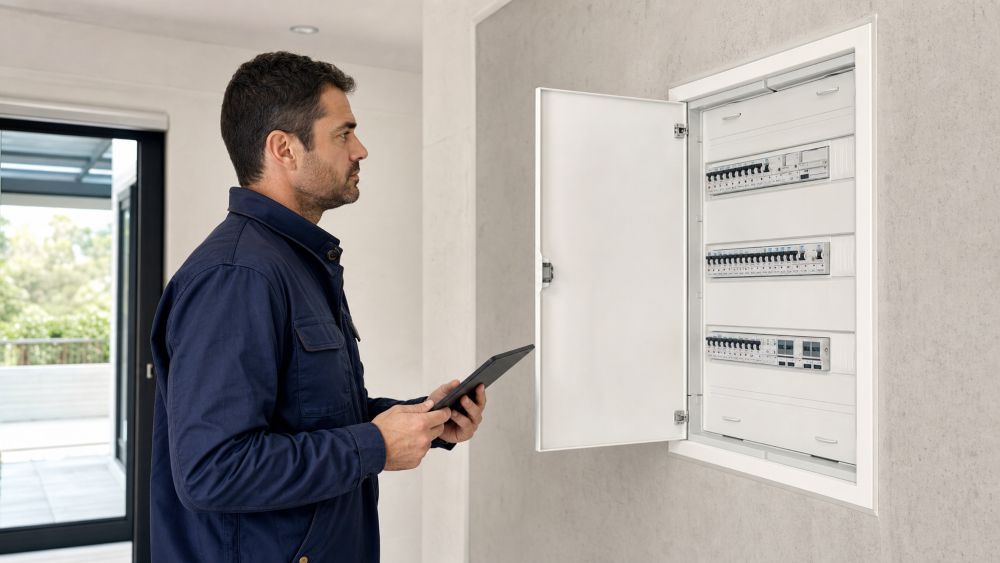
One of the first aspects to analyze is the available electrical power.
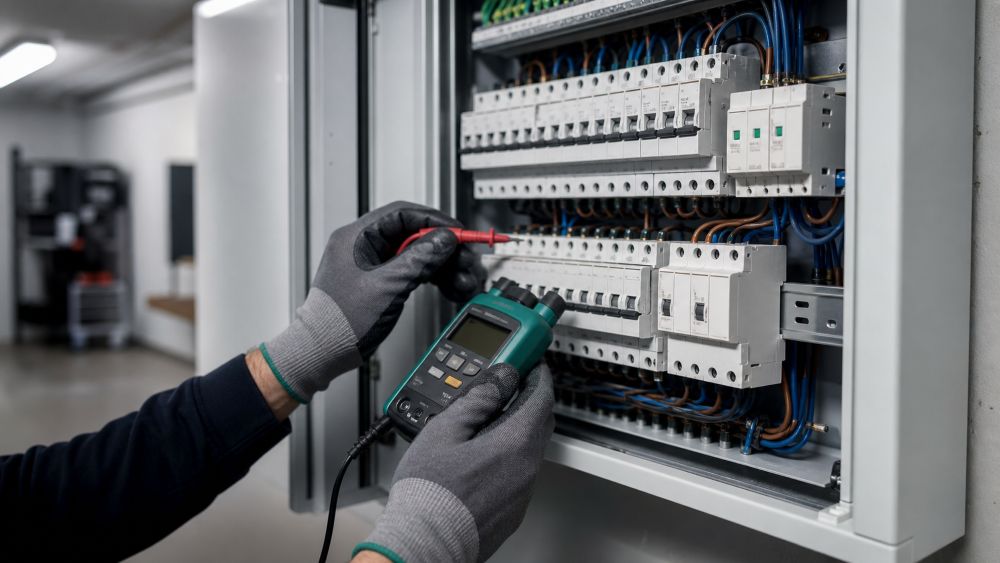
Not all buildings have the same supply capacity. In some cases, it will be enough to install several chargers using the existing infrastructure, while in others it may be necessary to adapt part of the electrical installation.
Smart chargers make it possible to manage the available power efficiently, distributing it among several charging points to avoid overloads and optimize the building’s energy consumption.
Number of spaces and guest profile
It is also important to study how many parking spaces are available and what the usual customer profile is.
A small boutique hotel with ten rooms is not the same as a large holiday resort with hundreds of parking spaces.
Analyzing the estimated percentage of guests who use electric vehicles helps to size the installation correctly and makes future expansions easier as demand increases.
Access, control, and payment system
Another important aspect is deciding how users will access the service.
Some establishments offer charging as a service included in the stay, while others prefer to control individual consumption through identification and billing systems.
Having tools that make it possible to monitor charging sessions, know the consumption generated, or set access permissions greatly facilitates daily management, especially when several charging points are operating at the same time.
What experience customers with electric cars expect today
The driver of an electric vehicle looks for the same convenience as any other guest. They want to arrive at the hotel, connect the vehicle easily, and forget about it until it is time to leave.
Ease of use is a fundamental aspect. An intuitive system, compatible with most vehicles and allowing charging to start without complications, significantly improves the perception of the service.
The possibility of checking the charging status, having assistance available if any issue arises, and finding clearly marked spaces is also valued.
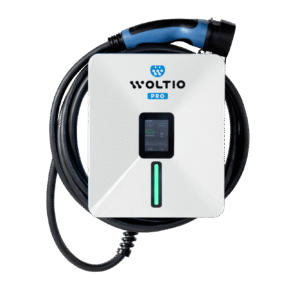
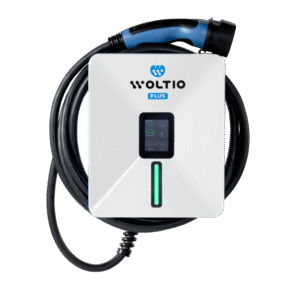
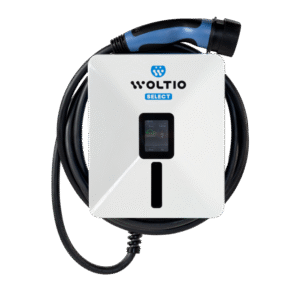
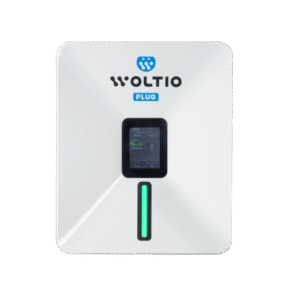
In this regard, smart chargers provide added value thanks to their monitoring and remote management functions. The WOLTIO app allows different charging parameters to be controlled without the need to physically go to the charging point, offering a more convenient experience for both the establishment manager and the user.
Common mistakes when installing chargers in hotels and tourist accommodation
One of the most common mistakes is installing an insufficient number of charging points, thinking only about current needs.
Electric mobility continues to grow, and it is advisable to plan installations that allow for future expansions without the need for major modifications.
Another common mistake is not previously assessing the available power, which can create limitations when several vehicles charge simultaneously.
It is also advisable to rule out models that do not offer smart management functions. Consumption monitoring, charging scheduling, and remote control make daily operation easier and help optimize energy resources.
Finally, it is common not to choose a charger with the ideal connector type. It is important to opt for solutions compatible with the European Type 2 standard, thereby ensuring they can be used with virtually any electric or plug-in hybrid vehicle on the market.