High temperatures are part of summer in many areas of Spain. During these months, it is common for thermometers to exceed 35 °C and even reach higher values. These conditions affect comfort while driving and the operation of different components of the vehicle.
In the case of electric cars, the battery is one of the elements that requires the most attention when the weather is hot. Although current models incorporate systems designed to keep it within an appropriate temperature range, extreme conditions can influence the range, recharging speed and general performance of the vehicle.
This does not mean that an electric car cannot be used normally during the summer. It is simply a good idea to know how high temperatures affect the battery and adopt some habits that help maintain its performance in the long term.
The battery of an electric car works most efficiently within a certain temperature range. When the heat is excessive, the vehicle itself activates different systems to protect its components and maintain safe operation.
These thermal management systems can use liquid cooling, ventilation or different control strategies depending on the vehicle manufacturer and model.
Its objective is to prevent the battery from reaching temperatures that could affect its performance or accelerate its degradation over time.
In addition to the battery, other elements such as the power electronics, the inverter or the charging system also generate heat during operation. When the ambient temperature is already high, it is more difficult to dissipate that heat, so the vehicle can modify some parameters to protect all these components.
In most cases, these processes are carried out automatically and go unnoticed by the driver.
Although many people associate the loss of range with the cold, intense heat can also influence the behavior of an electric car.
When temperatures are very high, a part of the battery’s energy can be used to power the cooling system responsible for keeping it within a safe operating range.
To this we must add the regular use of air conditioning during the summer, which also involves additional energy consumption.
As a consequence, it is possible that the available autonomy may decrease slightly compared to the most favorable temperature conditions.
However, this reduction usually depends on different factors, such as the outside temperature, the type of route, the driving speed or the time the vehicle remains exposed to the sun.
Today’s electric cars are prepared to operate correctly in hot conditions, but keeping the battery within an adequate temperature is still important to preserve its performance over the years.
Recharging also generates heat in the battery. If the ambient temperature is also high, the vehicle can activate additional measures to protect the system.
This is completely normal behavior that is part of the security mechanisms incorporated by manufacturers.
If the battery reaches a temperature higher than recommended, the vehicle may automatically reduce charging power.
This measure makes it possible to limit the increase in temperature and guarantee that the process continues within safe margins.
In some models, the cooling systems can also be activated even when the vehicle remains parked during recharging.
This entire process is carried out automatically and does not require any intervention from the driver.
It is important to remember that this reduction in power does not usually indicate a fault, but is part of the normal operation of the battery protection system.
During the hot months it is advisable to plan the recharge at times when the ambient temperature is lower.
Whenever possible, charging the vehicle early in the morning, at night or in the evening helps reduce stress on the cooling system.
It is also advisable to recharge in a garage or in a shady area. In this way, the vehicle spends less time exposed to the sun and the battery starts at a more favorable temperature.
It is recommended that you take these into accountgood charging habits to maximize the range of your electric car during the summer.
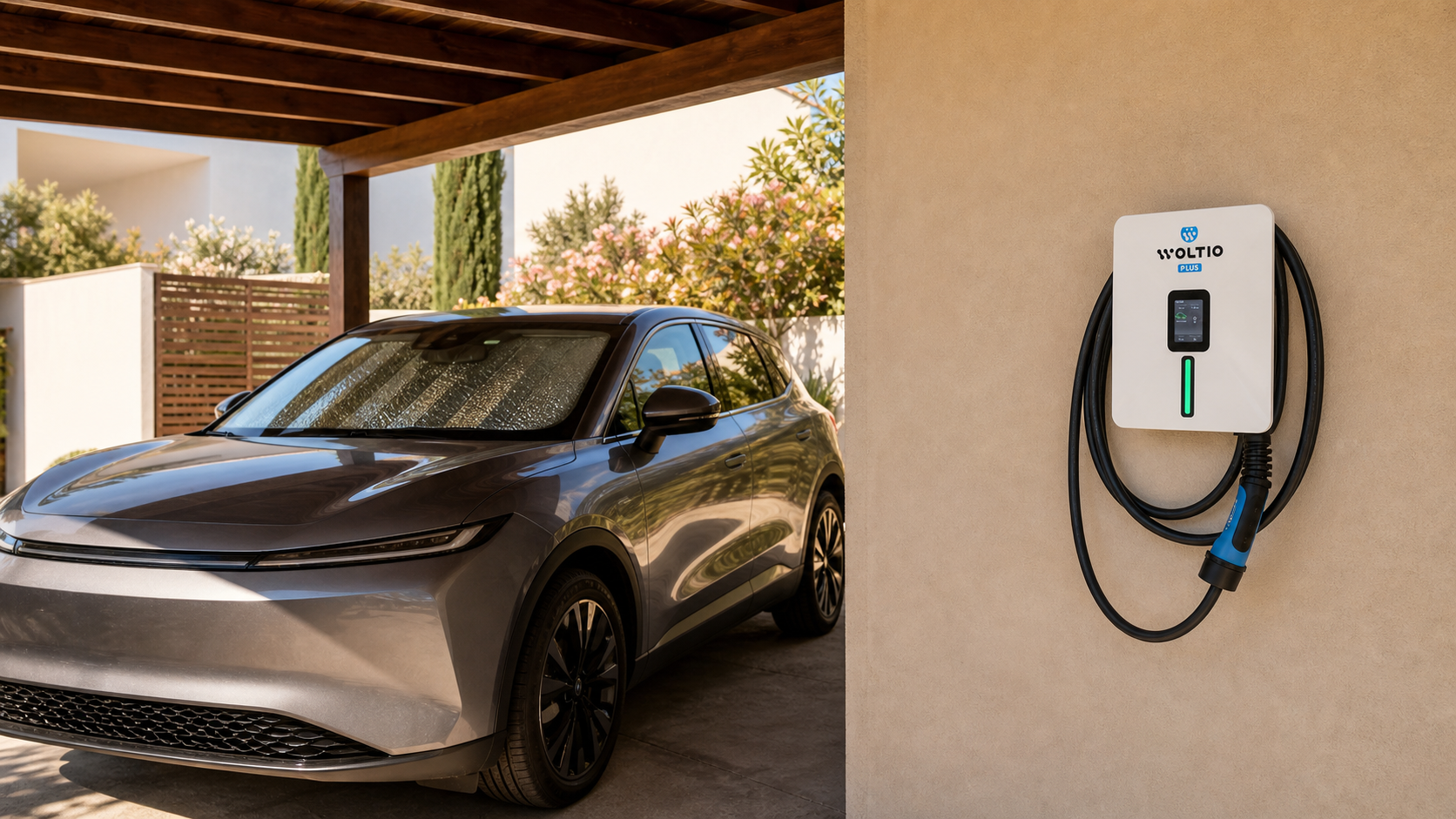
Whenever possible, it is advisable to park the vehicle in places protected from direct sun.
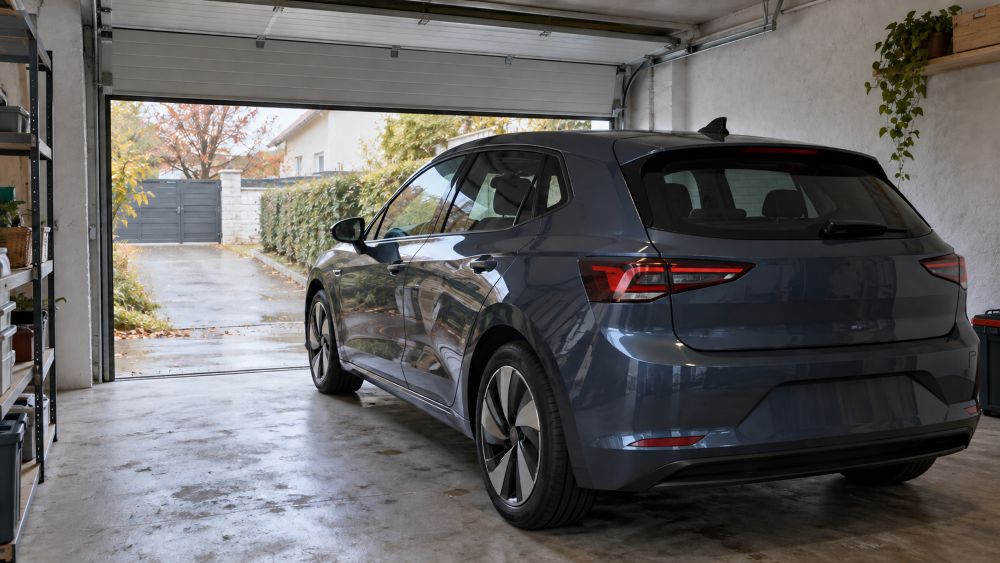
A covered garage offers the best protection, as it prevents both the battery and the passenger compartment from reaching very high temperatures.
If this is not possible, looking for shaded areas can help reduce the heating of the vehicle during the central hours of the day.
It is also advisable to use elements such as sunshades to reduce the temperature inside the cabin. Although these accessories do not act directly on the battery, they help maintain a cooler environment and reduce the effort that the air conditioning system must make when starting the journey.
In some models, it is also possible to activate the air conditioning before starting the trip using the manufacturer’s application. This function allows you to condition the interior while the car remains connected to the charging point, avoiding consuming part of the energy stored in the battery when starting the journey.
Beyond protecting the vehicle from the sun, there are some simple practices that can help keep the battery in good condition during the hottest months of the year.
Adopting these habits not only helps improve efficiency, but also promotes more appropriate use of the energy storage system.
One of the most common tips is to prevent the battery from remaining fully charged or practically empty for long periods.
If the vehicle is going to remain unused for several days, it is usually advisable to leave the charge level at an intermediate value, always following the manufacturer’s instructions.
Additionally, when the car is parked for many hours in high temperatures, keeping the battery away from extremes of charge can help reduce the stress it is subjected to.
Each manufacturer develops its own thermal management systems and establishes specific recommendations for vehicle use.
For this reason, it is advisable to always follow the instructions in the manual and pay attention to any warning that may appear on the instrument panel.
If the vehicle reports a high battery temperature or recommends temporarily modifying the way it is used, it is best to follow these instructions until the system returns to operating within normal parameters.
Today’s electric cars incorporate numerous protection measures designed precisely to preserve the battery and ensure safe operation.
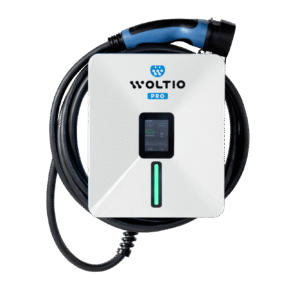
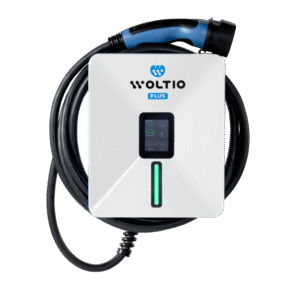
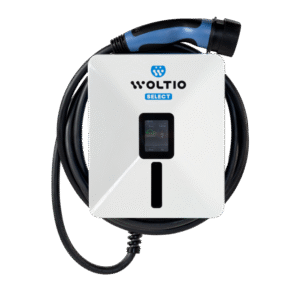
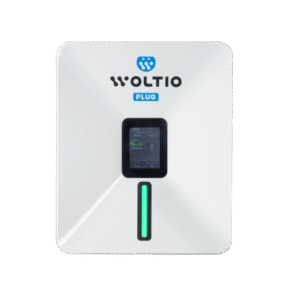
If you have one of theelectric car chargers at home from WOLTIO, don’t forget to take into account all our safety recommendations to enjoy a safe and 100% smart charging experience.
Before embarking on a long trip during the summer, it is advisable to carry out basic planning.
It is advisable to check that the vehicle has sufficient autonomy for the planned route and to locate in advance the charging points that may be necessary during the journey.
It is also advisable to check the condition of the tires, since high temperatures influence the pressure and can affect both safety and energy consumption.
If the vehicle is going to remain parked for many hours during the trip, looking for covered or shady areas can help reduce the battery temperature before starting the journey again.
Finally, scheduling recharging during the coolest hours whenever possible will help make the process more efficient and allow the cooling systems to work in better conditions.