The rise of electric mobility has led many companies to install charging points on their premises. Whether for their own fleets, employees, or customers, having operational and reliable chargers has become a necessity. However, as with any technological infrastructure, this equipment requires periodic attention to ensure it works properly.
Preventive maintenance for business chargers not only helps avoid breakdowns: it also improves performance, reduces long-term costs, and provides a better user experience.
A charging point is a system that combines electrical, electronic, and communication components. This means it is exposed to multiple factors that can affect its operation: environmental conditions, intensive use, or even variations in the power grid can compromise its durability and readiness.
Preventive maintenance on electric car chargers for businesses makes it possible to detect minor faults before they become major problems. Regular check-ups help identify wear, faulty connections, or software errors that, if not addressed in time, can lead to more serious breakdowns.
In addition, this type of maintenance helps ensure safety. A charger in poor condition can pose a risk both to vehicles and to people. Checking the system regularly minimizes these risks and ensures everything operates within the appropriate parameters.
Another important aspect is availability. In business environments, where several users may depend on charging points, an incident can cause delays or affect day-to-day operations. Keeping equipment in good condition reduces the likelihood of errors and, therefore, delays in charging vehicles across the entire fleet.
Finally, maintenance also influences energy efficiency. A well-calibrated and inspected charger optimizes the charging process, avoiding unnecessary losses and contributing to more efficient energy use.
For preventive maintenance to be effective, it’s important to know which components require attention. It’s not just a superficial inspection, but an analysis of the system’s key elements.
One of the most important points is the condition of the connectors. They are the part most exposed to daily use and can wear over time. It is advisable to check that they show no damage, dirt, or deformations that could affect the connection to the vehicle.
It is also essential to inspect the wiring. Cables must be kept in good condition, without cuts or deterioration of the insulation. A damaged cable can affect charging performance and may even represent a safety risk.
The internal electrical system is another key element. This includes protections, fuses, and all kinds of connections. Proper maintenance makes it possible to detect potential faults before they cause a complete equipment failure.
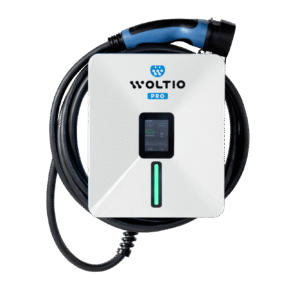
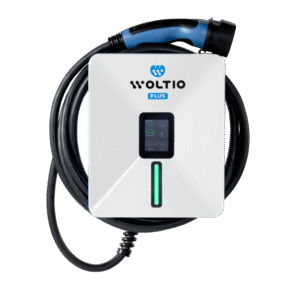
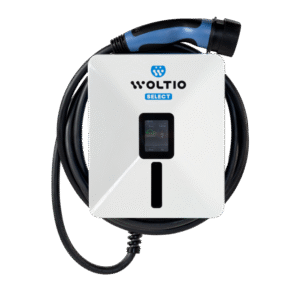
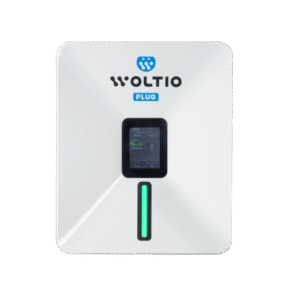
Software should not be overlooked. Many modern chargers, such as those developed by WOLTIO, incorporate intelligent systems that allow charging to be managed and monitored. Keeping the software up to date is essential to ensure optimal operation, improve security, and take advantage of new features.
Connectivity must also be checked. In business environments, chargers are often connected to management platforms or mobile apps. Ensuring this communication works correctly is key to controlling and supervising charging points.
Lastly, the environment where the charger is located also matters. It is important to check that the installation is not exposed to factors that could damage it, such as excessive humidity, dust, or impacts.
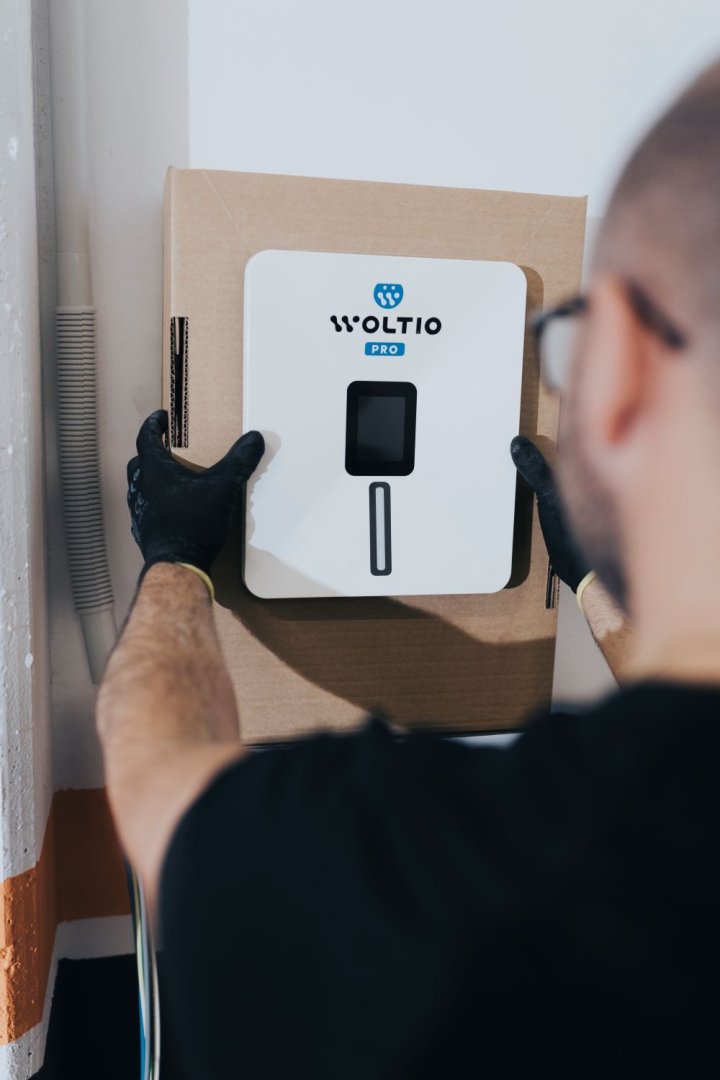
Proper preventive maintenance for business chargers makes it possible to significantly reduce the most common incidents. Many of them originate from small issues that could have been detected in time.
One of the most common incidents is a failure to connect to the vehicle. This is usually related to worn or dirty connectors. A simple periodic check can prevent these types of problems.
Another frequent incident is charging interruption. It may be due to faults in the electrical system, configuration errors, or communication problems. Maintenance helps identify these causes and fix them before they affect the user.
It is also common to find connectivity-related problems. If the charger does not communicate correctly with the management platform or the app, visibility into its status and operation is lost. Checking these systems regularly prevents unexpected disconnections.
Overheating is another risk that can be prevented. Equipment that is not inspected can accumulate dirt or have faults in its internal components, which affects its ability to dissipate heat properly.
In addition, maintenance reduces the likelihood of software update failures. Keeping the system up to date prevents incompatibilities and improves the charger’s stability.
Beyond avoiding incidents, preventive maintenance for business chargers has a direct impact on equipment durability. A well-maintained charger can sustain its performance for many more years.
One key is to establish a periodic maintenance plan. It’s not about acting only when a problem appears: the best approach is to carry out scheduled inspections that make it possible to anticipate potential faults.
Proper use of the equipment also matters. It is important that users know best practices, such as handling connectors correctly or avoiding unnecessary strain on cables. Responsible use reduces wear and extends the charger’s service life.
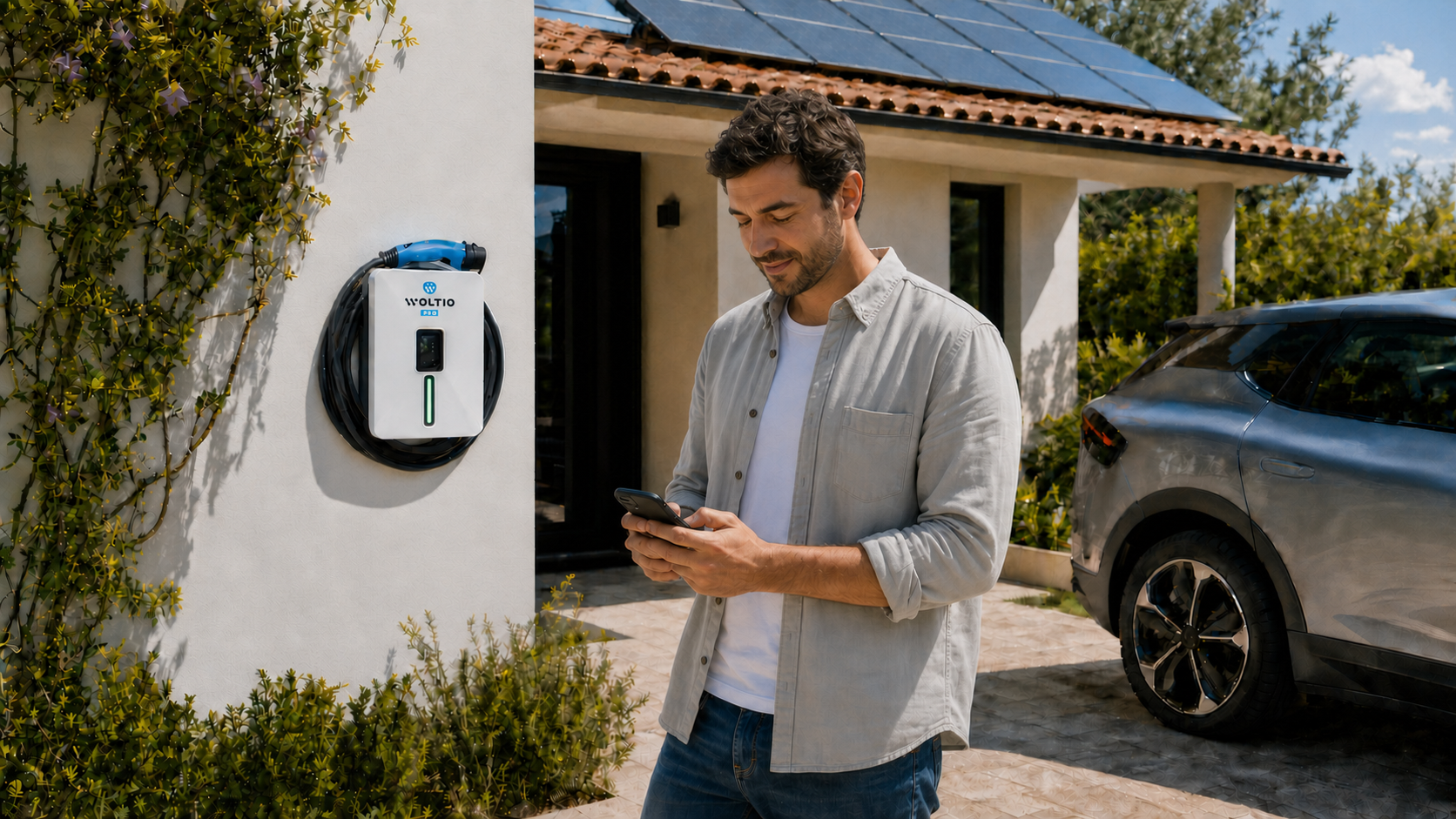
Monitoring is another very useful tool. Thanks to solutions like the WOLTIO app, it is possible to supervise the charger’s status in real time. This makes it possible to detect anomalies quickly and make decisions before a breakdown occurs.
Keeping the environment in suitable conditions is also essential. Protecting equipment from extreme conditions and ensuring proper installation contributes to its preservation.
Finally, having qualified professionals carry out inspections makes a difference. Maintenance performed by specialized staff ensures that all aspects of the system are checked properly.