Charging an electric car at home is a simple process in most cases. Just connect the vehicle to the charger and wait for the battery to recharge, as you would with any portable device.
However, some users encounter a relatively common problem: the circuit breaker in their home trips when charging begins, or shortly after the car has been put on charge. This is when doubts arise as to whether everything is OK with the electrical installation, what might be causing the power cut, or whether something has been done incorrectly when configuring the charging mode.
Before continuing, you may also be interested in:
What happens if there is a power failure while charging your car?
The circuit breaker is a safety device designed to protect people from electrical leaks. When it detects a ground fault above a certain value, it cuts off the power supply. When charging an electric car, we are talking about fairly high-power levels and complex electronic equipment with demanding technical requirements, which can cause the circuit breaker to trip.
One of the most common causes is a current leak generated during the charging process. These leaks may be small, but they are enough to trip the circuit breaker, especially if it is not the most suitable for this type of installation.
It is also common for the problem to be related to an old or poorly adapted electrical installation. Many homes were not designed to continuously support the power required by a charging point. This does not necessarily mean that the installation is faulty, but rather that it does not meet current requirements for electric mobility and, in which case, it will need to be adapted in order to enjoy a satisfactory and safe charging experience.
Another common cause is incompatibility between the charger and the type of circuit breaker installed. Some chargers require specific protections to function properly. If these are not present, the system interprets an anomaly and cuts off the power supply.
Finally, occasional faults in the cable, the vehicle itself, or the charger should not be ruled out. Factors such as wear and tear, excessive moisture, or a faulty component can cause the differential to trip intermittently.
Before contacting a professional, there are some simple checks you can do at home. These actions are not a substitute for a professional inspection, but they can help identify whether the problem is a one-off or recurring issue.
The first step is to disconnect the car from the charger and reset the circuit breaker. If the power supply is restored normally and does not trip again, the problem may be directly related to charging and not to other appliances.
If that does not solve the problem, then it would be advisable to check whether the RCD always trips when charging starts or after a while. If it happens as soon as the car is connected, it may indicate a compatibility issue or an initial leak. If it happens after several minutes, it could be related to the system overheating or a one-off power surge.
Another useful check is to try charging at another socket or charging point, if available. If the problem does not recur, it is likely that the source is at that specific point and not in the vehicle.
It is also advisable to check the visual condition of the cable and connector. They should not show any cuts, crushing, or signs of moisture. Any visible anomaly is reason enough to stop using it.
And if the charger has indicator lights or error messages, it is advisable to consult the manufacturer’s manual to identify what may be wrong and take appropriate action.
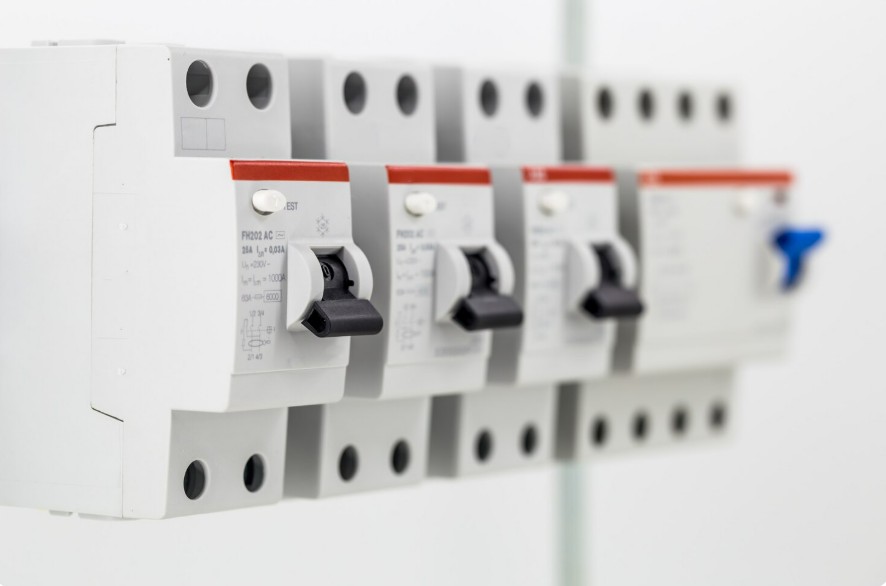
Not all RCDs are the same, nor are they designed for the same use. Traditional domestic installations usually have type A RCDs, which are suitable for most conventional appliances. However, electric cars and chargers generate currents with continuous components that this type of RCD does not always handle correctly.
Type F residual current devices are an evolution of type A. They offer greater tolerance to certain residual currents and may be sufficient in some cases, depending on the charger and the installation.
Type B residual current devices are the most comprehensive for electric vehicle charging points. They are designed to detect both alternating and continuous currents and significantly reduce false trips. In many specific electric car installations, this type of RCD is the most recommended.
In addition to the RCD, it is essential to have surge protection to prevent voltage spikes, caused by the power grid or storms, from affecting the charger and the rest of the installation. The absence of this element can cause frequent tripping of the RCD and, in the long term, damage to the equipment.
Checking that the installation has the right type of circuit breaker and the necessary protections is one of the key points to avoid problems during daily charging.
When the circuit breaker trips repeatedly, it is important to determine whether the source of the problem is the cable, the car, or the charger. Correctly identifying the affected component facilitates the solution and avoids unnecessary replacements.
The charging cable is one of the most exposed components. It is handled daily, rolled up and unrolled, and may come into contact with the ground. Damaged insulation can cause small current leaks. If possible, trying another compatible cable helps rule out this cause.
For more information on this, take a look at:
Is it possible to charge an electric car from any socket? We explain it.
As for the vehicle, some models perform internal checks when charging begins. If they detect an anomaly, they may generate a momentary shunt that trips the circuit breaker. Testing the car at another charging point, for example, at a public charging station or another home, is an effective way to check if the problem recurs.
The charger may also be the source of the fault. A poorly configured domestic charger, with outdated firmware or a faulty internal component, can cause the circuit breaker to trip. Smart chargers, such as those that allow you to control charging via an app and adjust parameters such as power, make it easier to detect these problems by providing detailed information about the charging process.
If, after these checks, the problem persists at the same point and with the same equipment, the source is most likely the charger or the installation.
Although some checks can be done at home, there are situations where it is essential to stop charging and contact a qualified electrician. Safety must always be the priority.
If the circuit breaker trips immediately and repeatedly, even without the car connected, there may be a serious problem with the electrical installation. In this case, do not attempt to reset the circuit breaker without first having it checked.
Other warning signs include a burning smell, sparks, or excessive heat in the electrical panel, plug, or charger. These symptoms indicate a potential fire hazard and require urgent professional intervention.
It is also advisable to call an electrician if the home does not have a dedicated line for the charging point. It is best to have a specific circuit with its own protections to ensure safe and stable charging.
Finally, if you do not know the type of circuit breaker installed or if you do not have surge protection, a professional can evaluate the installation and adapt it to the actual needs of the electric car and charger.
Therefore, the RCD tripping when charging an electric car is a relatively common problem and, in many cases, has a simple solution, but it is advisable to have a qualified professional check the condition of the installation if, after checking at home, the problem persists. The cause may be the charger itself, the vehicle, or a fault in the installation, and it is important to remedy it to avoid interruptions while charging your EV.