Having two electric cars at home is becoming increasingly common. Many families have made the leap to electric mobility with a first vehicle and, shortly afterwards, have added a second one.
The fuel savings, lower maintenance costs, and environmental benefits make it a sensible choice. However, it also raises a delicate issue from an infrastructure point of view: how to charge two electric cars at the same time without causing overloads or power cuts.
The key lies in load balancing and proper management of the available power. With the right chargers and proper configuration, it is possible to charge two electric vehicles in the same home safely, efficiently, and in a controlled manner.
Load balancing is a smart system that manages the electrical power available in a home. Its main function is to distribute that power among the various active consumers at any given time, including electric vehicle chargers.
In a conventional home, the contracted power is usually sized for common appliances: oven, washing machine, air conditioning, lighting, or heating. When an electric car charger is added, consumption increases significantly. If two cars are charged at the same time, the risk of exceeding the contracted power is high.
This is where load balancing becomes essential. This system allows you to:
• Prevent the power control switch from tripping.
• Protect your home‘s electrical installation.
• Make the most of the available power, but without exceeding it.
• Charge your vehicles without having to increase the contracted power.
When there are two electric cars at home, there are several ways to organize charging. Not all of them require the same investment or offer the same level of convenience. The choice will depend on the daily use of the vehicles, the available power, and the type of charger installed.
The simplest option is to charge one car first and then connect the second one when it is finished. This is a manual system that does not require additional technology, but it does require a certain amount of discipline. It works well if the usage schedules for both vehicles are clearly differentiated.
The main drawback is the lack of automation. If one of the cars is not charged on time, it can affect the planning for the next day.
Another alternative is to schedule charging at different times of the day. For example, one car can be charged during the early evening and the other in the early morning. This allows you to take advantage of cheaper electricity rates and avoid simultaneous consumption peaks.
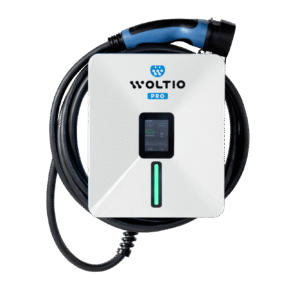
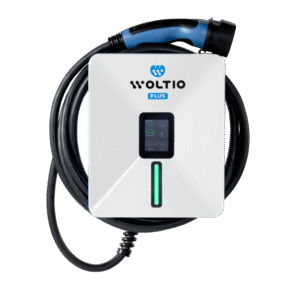
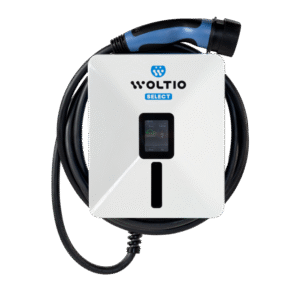
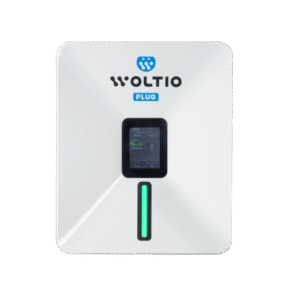
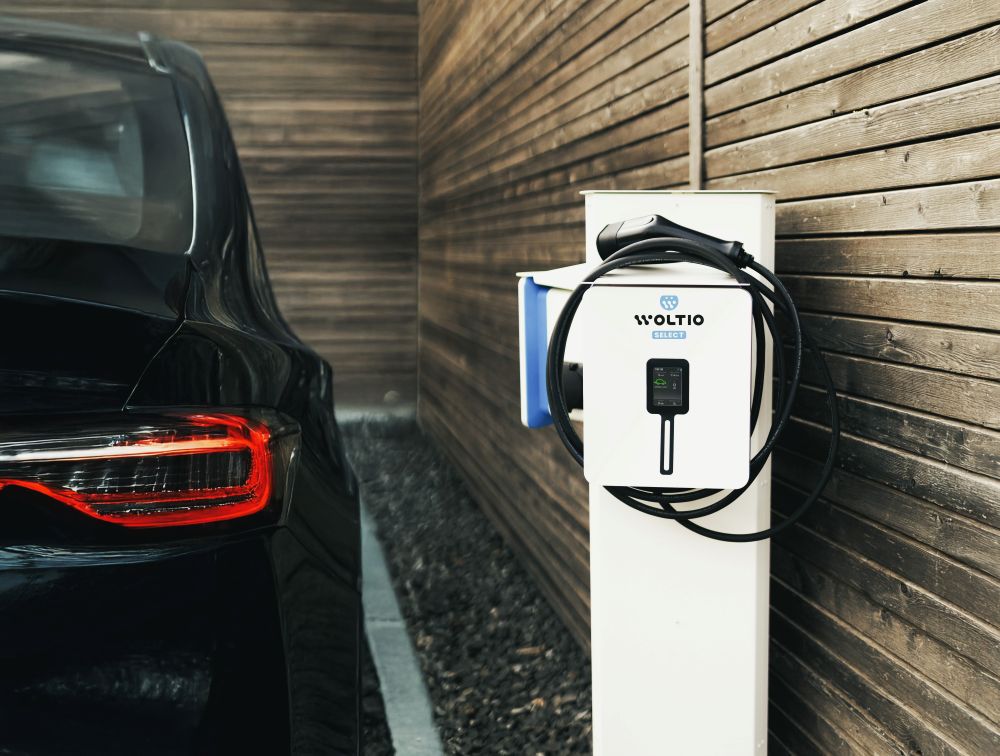
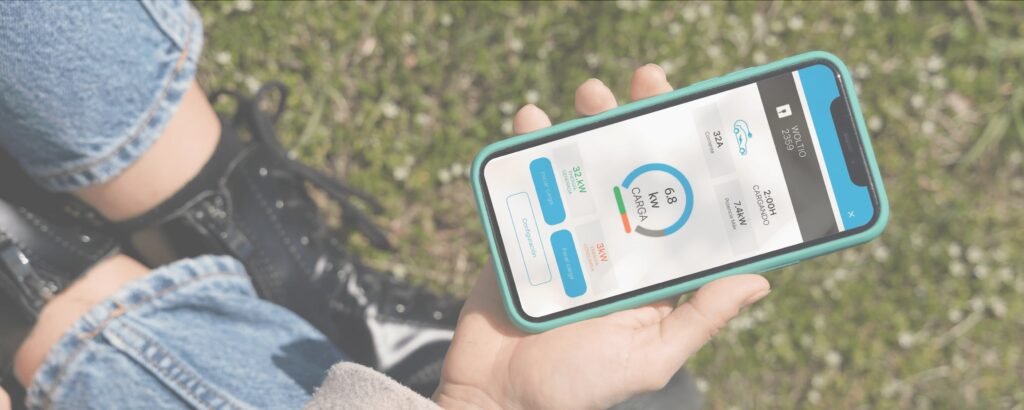
For example, if you use a WOLTIO charger, you can easily manage this through the WOLTIO app for iOS and Android. From your mobile phone, you can set charging times, activate or pause the process, and monitor consumption.
The most advanced solution is dynamic power control, also known as dynamic balancing. In this case, the system automatically adjusts the power received by each car based on the total consumption of the home.
If the oven or air conditioning is turned on at any given moment, the charger reduces the charging power. When that consumption disappears, the power increases again. If two cars are connected, the energy is intelligently distributed between them.
This system offers maximum comfort and safety. It allows two electric cars to be charged at the same time without worrying about overloads or power cuts, optimizing every available kilowatt.
Before installing one or two chargers for electric cars, it is essential to know the electrical power of the home and how it is distributed throughout the day.
The first step is to check the contracted power. In many homes, it ranges from 4.6 to 6.9 kW, although it can vary. From there, it is advisable to analyze the usual consumption of the home at peak times.
For example:
• Basic appliances and air conditioning can consume between 2 and 3 kW.
• An electric car charger can demand between 3.7 and 7.4 kW in single-phase, depending on the configuration.
If two cars are connected without any kind of control, it is likely that the contracted power will be exceeded and the infrastructure will suffer from overloads. That is why solutions such as load balancing are so important, as they allow for smarter use of electricity, protecting connected devices and the installation itself.
WOLTIO’s smart VE chargers for home allow you to set a maximum charging power and, in our case, this setting can be configured from the app itself, giving the user complete control over the charging of their two vehicles.
Beyond technology, there are a number of best practices that help optimize consumption and enable you to charge two electric cars at home.
One of the most important is to take advantage of off-peak hours. Charging at night helps reduce the amount of the bill, because the price of electricity on the wholesale market during these hours is cheaper.
It is also advisable to periodically review household consumption habits. Small changes, such as avoiding using high-consumption appliances while charging cars, can make a difference.
It can also help to prioritize slow charging modes if you are not in a hurry to use the vehicle, as these tend to consume less electricity and put less stress on the installation, reducing the likelihood of overloads.