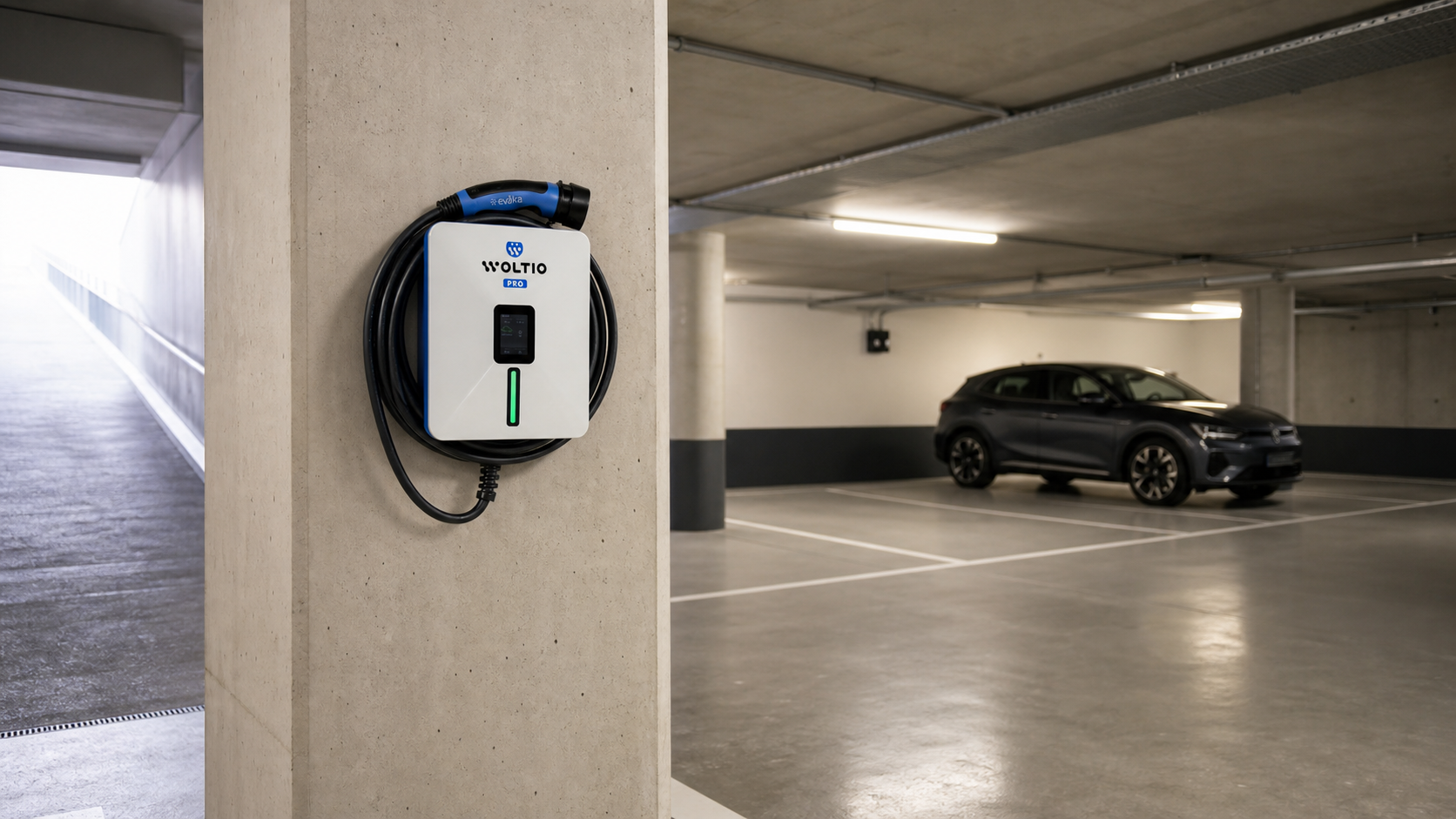
An electric car battery can be charged under very different conditions, from a winter night to a summer afternoon. However, that does not mean temperature is irrelevant. As a general reference, lithium-ion battery cells operate and accept charging more easily at around 20–25 °C.
This is not a universal figure or a condition that the garage must reach. Battery chemistry, vehicle design and the type of charging alter this range. In addition, the battery management system monitors the temperature and adjusts power to protect it. Therefore, the practical question is not only what the temperature is outside, but also what temperature the battery is at when it starts charging.
A car parked for several hours usually brings its battery temperature close to that of its surroundings. By contrast, after driving, the cells may be warmer due to the motor’s operation, energy discharge and the thermal management system itself.
Modern vehicles include a BMS, an electronic system that monitors parameters such as temperature, voltage and state of charge. If it detects that the battery is too cold or too hot, it can activate battery pack climate control or temporarily limit power. Slower charging on an extreme day does not necessarily indicate a fault: it is often a protective measure provided for by the manufacturer.
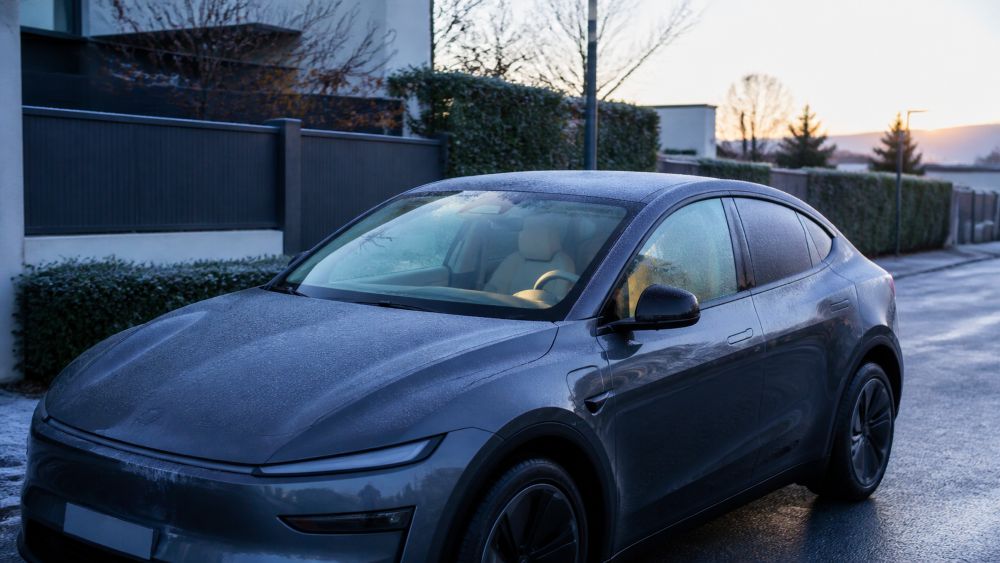
At low temperatures, it becomes more difficult for ions to move within the battery. This increases internal resistance and reduces the power the cells can safely accept. The result may be slower charging and additional energy consumption to heat the battery pack.
The effect is especially noticeable during fast charging, because the vehicle needs the battery to be within an appropriate thermal window before accepting high power levels. If the car has preconditioning, entering the charging point into the navigation system can help the system prepare the battery during the journey.
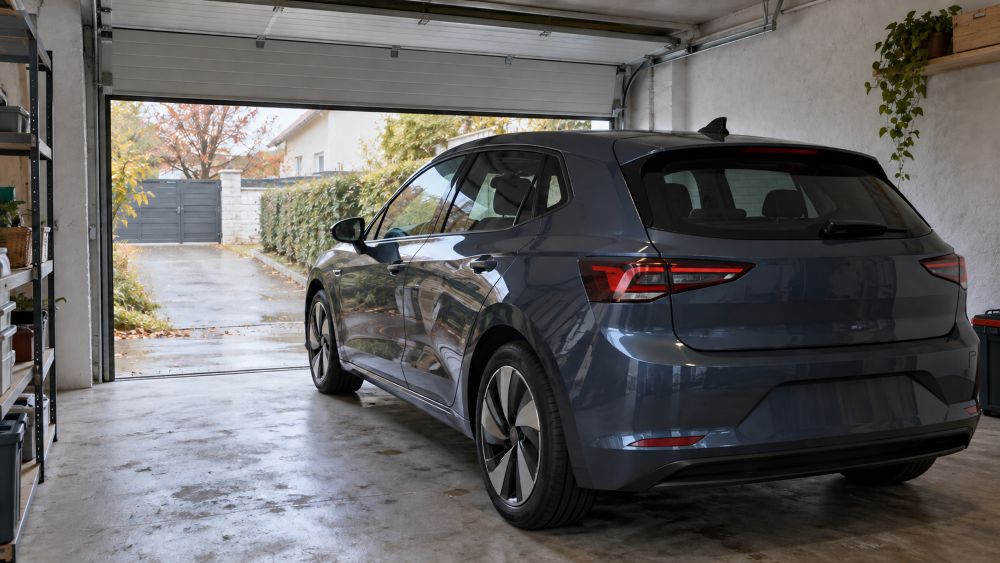
At home, AC charging is usually more gradual. A covered garage reduces sudden changes and allows the session to be scheduled with some flexibility. It is not advisable to improvise methods for heating the battery or alter the vehicle’s limits: the manufacturer’s instructions and the BMS’s decisions should always take precedence.
Charging also generates heat. If the battery is already at a high temperature, the car may use energy to cool it or reduce power until it returns to a safe range. The process continues, but it may do so less efficiently.
Sustained heat also accelerates certain chemical reactions related to degradation. Therefore, whenever possible, it is advisable to avoid leaving the vehicle in the sun for many hours with a very high charge level. In our guide on how heat affects electric cars, we explain in more detail which habits help during the summer.
There is no need to cancel a charging session because of a normally hot day. The vehicle is designed to manage these situations. However, it is useful to choose a shaded or covered area and, if your schedule allows, charge during the coolest hours.
Home charging delivers energy more moderately and over a longer period. This makes it easier for the thermal system to keep the battery within its operating range. For daily use, having a proper installation, suitable power and enough time matters more than aiming for an exact outdoor temperature.
DC fast charging concentrates much more power. In this case, the battery’s initial temperature has a more noticeable effect on the charging curve. A cold battery may take time to reach its expected power; one that is too hot may require cooling and have its power limited. The power advertised by the public charging point does not guarantee that the car can accept it at all times.
Whenever possible, park and charge in a space protected from direct sunlight, snow and extreme changes. Schedule the session to finish close to your departure time when you need a high charge level, and use the vehicle’s preconditioning feature if available.
It is also advisable to check the condition of the cable and connector, avoid using improvised adapters, and pay attention to any warning from the car or charger. Good charging habits to preserve range remain valid in cold, heat or mild temperatures.
Temperature has an impact, but it does not replace a properly sized and protected installation. A home charging point allows you to leave the vehicle connected for longer, schedule the session and reduce reliance on fast charging when the battery is outside its most favourable thermal window.
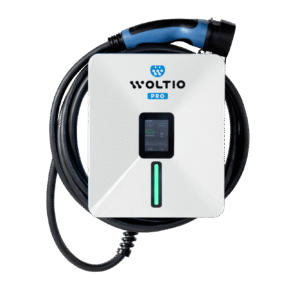
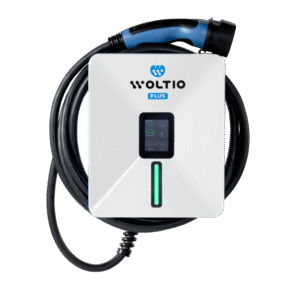
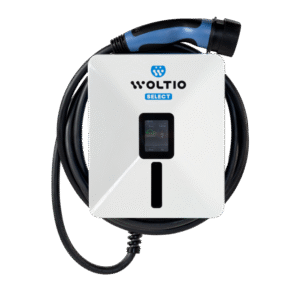
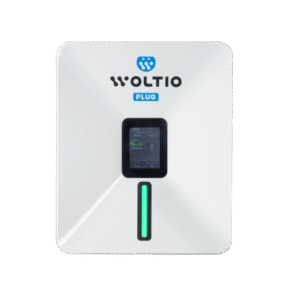
If you are considering this option, you can explore WOLTIO home chargers for electric cars and choose a solution suited to the available power and your routine. The goal is not to always charge at 23 °C, but to ensure that the vehicle manages energy safely, with flexibility and consistency throughout the year.