The announcement of the Spain Auto 2030 Plan marks a new stage in the state strategy to promote electric mobility.
With this initiative, the government seeks to replace the old MOVES III with a clearer, more accessible, and faster subsidy system, both for those who want to purchase an electric car and for those who need to install a charging point in their home or business.
The intention is to facilitate the transition to a more sustainable vehicle fleet and modernize the charging network throughout the country, adapting it to the pace of growth the sector is experiencing.
The Spain Auto 2030 Plan is a subsidy program designed to replace MOVES III and offer a more up-to-date framework of incentives for the electrification of transport.
Its purpose is to encourage the purchase of fully electric or plug-in hybrid vehicles, promote the renewal of the vehicle fleet, and encourage the installation of charging points in both domestic and business environments.
The big difference from previous plans is that the government intends to simplify the process and allow the subsidies to reach users more quickly, avoiding the long waiting periods that occurred in previous calls for applications.
Although the basic outlines of the program are already known, its definitive entry into force is scheduled for January 1st, 2026.
From that moment on, the subsidies will be managed at the national level, not the regional level: it has been decided that the discount will be applied at the point of sale, avoiding unnecessary bureaucracy and allowing users to benefit directly from the subsidy, without waiting and without duplicate paperwork.
By managing it directly at the state level, it avoids having to advance the full amount up front and reduces paperwork, which slowed down the effective implementation of the subsidy.
The main change in the Auto 2030 Plan is the intention to offer a more direct and simpler advantage to the buyer. Instead of waiting months or even more than a year to receive the subsidy, the new system aims to apply the discount with immediate effect, which will also help families to plan the purchase of their new vehicle taking this incentive into account.
It is fair to say that the MOVES III Plan attracted many complaints due to the complexity of its procedures, and one of the goals of the new plan is to unify criteria and simplify the submission of documents, opting for a digitized and more uniform process across autonomous communities.
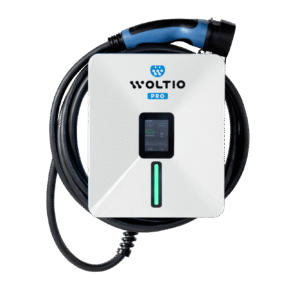
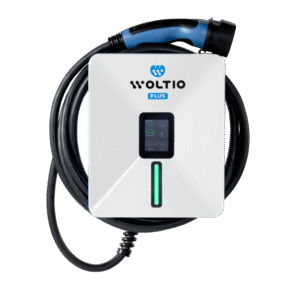
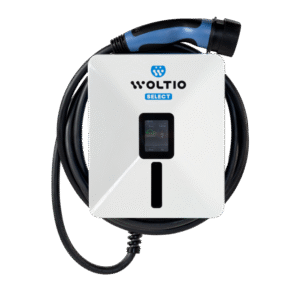
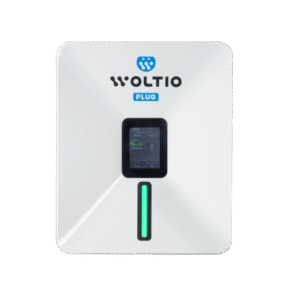
Greater importance is also given to the charging infrastructure, as it is considered an essential element for users to be able to make practical use of electric cars. The subsidies will be aimed at both basic chargers and more advanced solutions, including smart chargers that allow power management, scheduling, and consumption monitoring via a mobile app.
This more flexible approach is one of the keys to the new plan and aims to correct some of the limitations detected in MOVES III, in which many applications were rejected for not meeting very specific criteria that did not always reflect the reality of the market.
The specific requirements will be published when the plan comes into force, but the initial criteria already point to a scheme very similar to that of MOVES III, albeit with certain adjustments aimed at simplifying its application.
In the case of the purchase of an electric car, the vehicle must be new and registered for the first time, and it must comply with the categories accepted by the program, which include fully electric models and some plug-in hybrids with a minimum range to be defined in the final regulation.
A maximum price will also be maintained in order to qualify for the subsidy, although it is expected to be somewhat more flexible than in previous plans. In addition, users must commit to keeping the vehicle for a certain period of time, which is usually two to four years.
The Auto Plus 2030 Plan provides subsidies for both public and private charging networks, with the aim of encouraging the installation of private charging points and significantly expanding the public charging network.
For the purchase of an electric car, subsidies are expected to range from 4.000 € to 7.000 €, depending on the model and final price, as well as whether or not an old vehicle is traded in.
In addition, supplements could be established for people on low incomes or users with specific needs, although this is still pending confirmation.
Subsidies will also be available for charging points. For individuals who install a charger in their home, the subsidy may range from 600 € to 1.000 €, depending on the characteristics of the project.
In the case of homeowners’ associations, the amount will cover a significant part of the infrastructure needed to set up the charging network in common areas, which will facilitate the energy transition in residential buildings.
For companies, the support percentages can reach between 30% and 55% of the total cost, depending on the type of installation and the size of the company. The final savings for users can be considerable, especially when combined with the reduction in consumption that comes with charging an electric vehicle compared to using fossil fuels.
First of all, you must ensure that you meet the general requirements to benefit from the subsidy:
Please note that the subsidy is requested from the dealership itself, which then applies the subsidy discount to the final price of the car.
Once at the dealership, simply follow the steps indicated to complete the application and benefit from the subsidy when you purchase the vehicle.