Choosing to use an EV helps reduce emissions, cut fuel costs, and improve day-to-day efficiency. However, before installing a home charging point, there’s a key aspect that should not be overlooked: checking whether the electrical system is suitable.
Not all homes are ready to support the charging of an electric vehicle. That’s why it’s important to know which elements to check and when it may be necessary to adapt the installation.
Before installing an electric car charger at home, it’s necessary to assess several elements of the electrical system. It’s not just about plugging in one more device. Charging a vehicle involves high, sustained consumption over several hours.
One of the first points to check is the overall condition of the installation. In older homes, the wiring may not be designed to handle continuous high-power loads. This can cause overheating or even failures in the electrical system.
It’s also important to check the cable cross-section. If the cables are not the right gauge, energy losses or safety risks may occur. In this regard, each charger has specific requirements that must be met.
Another key aspect is the protection system. The installation must have adequate protections, such as circuit breakers and residual current devices (RCDs). These devices are essential to prevent short circuits or current leakage.
In addition, you need to consider the location of the charging point. Installing it in a private garage is not the same as installing it in a shared community garage. In each case, technical and regulatory conditions may vary.
Finally, it’s advisable to check whether the installation has a dedicated line for the charger. This helps prevent overloading other household circuits and improves safety.
The contracted power is one of the most important factors. It determines how much energy a home can consume at the same time. If the power is insufficient, it’s likely that the fuses will trip when charging the electric car alongside other appliances.
In many homes, the contracted power is set to match typical consumption. Adding a charger may require increasing this power. However, it’s not always necessary. In some cases, charging can be managed intelligently so as not to exceed the limit.
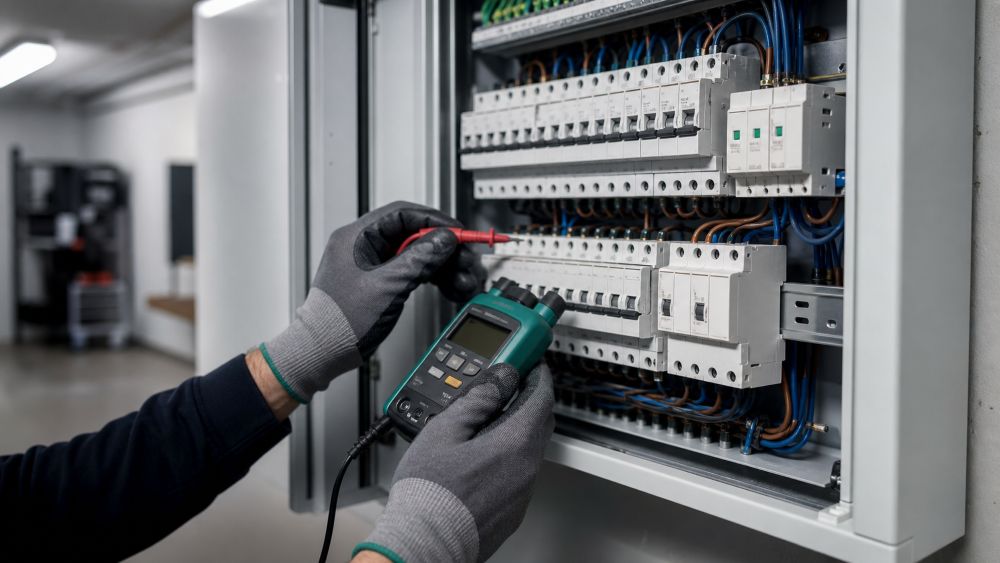
The electrical panel also plays a fundamental role. It is the control center of the entire installation. It must be in good condition and have enough space to add new protective devices associated with the charger.
In addition, it’s important to verify the capacity of the main automatic switch (IGA). This component protects the installation against overloads and short circuits. If it is not suitable, it may need to be replaced.
Another factor to consider is simultaneous consumption—that is, how many devices are running at the same time. A household with high simultaneous consumption will need more careful planning to integrate vehicle charging.
You also need to consider the type of charger you want to install. Not all chargers draw the same power. For example, a standard home charger usually operates at power levels between 3.7 kW and 7.4 kW, which directly influences the installation’s requirements.
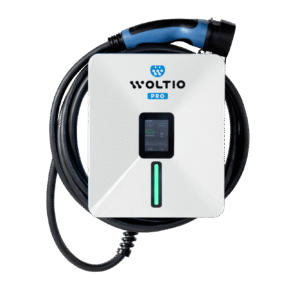
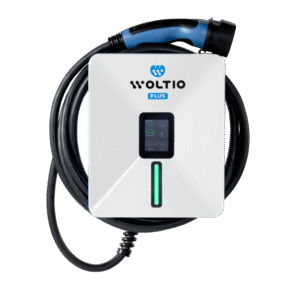
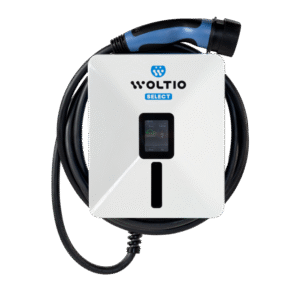
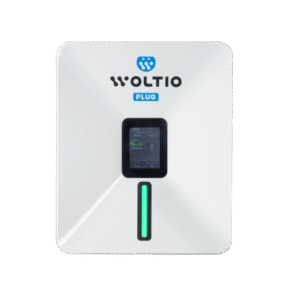
That’s why choosing WOLTIO smart chargers for electric cars makes it possible to optimize charging. Thanks to their technology, you can adjust power based on household consumption, helping to avoid overloads and improve energy efficiency.
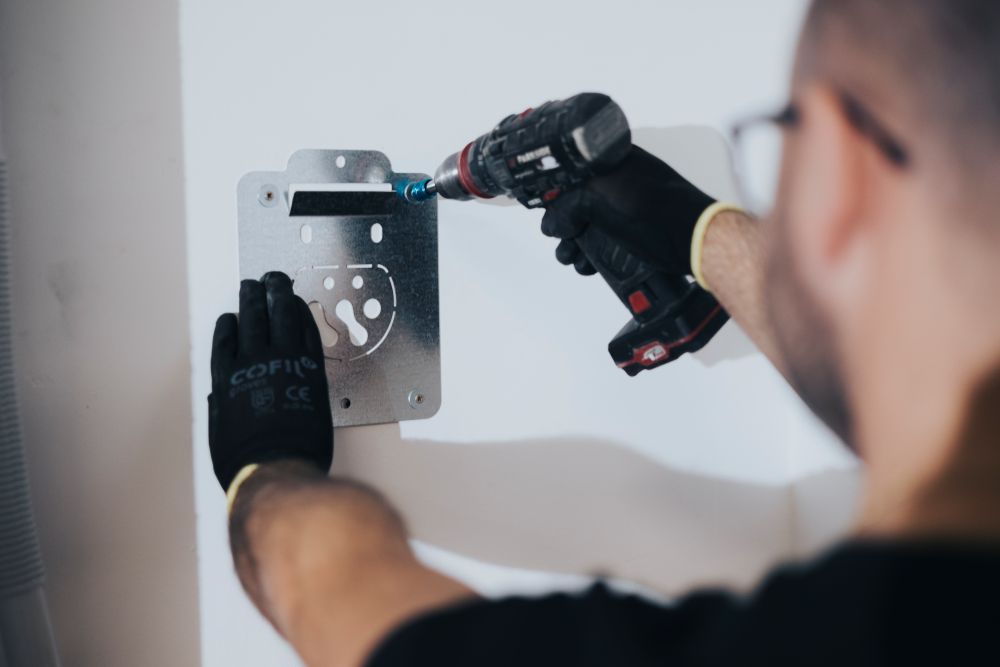
There are several signs that indicate an electrical installation may need an upgrade before installing an electric car charger.
One of the most obvious is the age of the installation. If the home is more than 20 or 30 years old and has not been renovated, it likely does not meet current standards. In these cases, a full inspection is recommended.
Another sign is how often the fuses trip. If this happens during normal household use, adding a charger will only worsen the problem. This indicates the installation is near its limit.
There can also be visual clues. For example, worn cables, damaged outlets, or outdated electrical panels. These elements can compromise safety.
The type of electrical supply also matters. Some homes have single-phase installations, while others have three-phase systems. Each has its own characteristics and limitations.
In addition, if extensions or modifications have already been made in the home without proper planning, there may be imbalances in the installation. This can affect the charger’s performance.
Another aspect to consider is the distance between the electrical panel and the charging point. If it is very long, it may be necessary to reinforce the installation to avoid energy losses.
Finally, if there are no specific protections for charging, they will need to be added. This includes devices designed to ensure safety during the charging process.
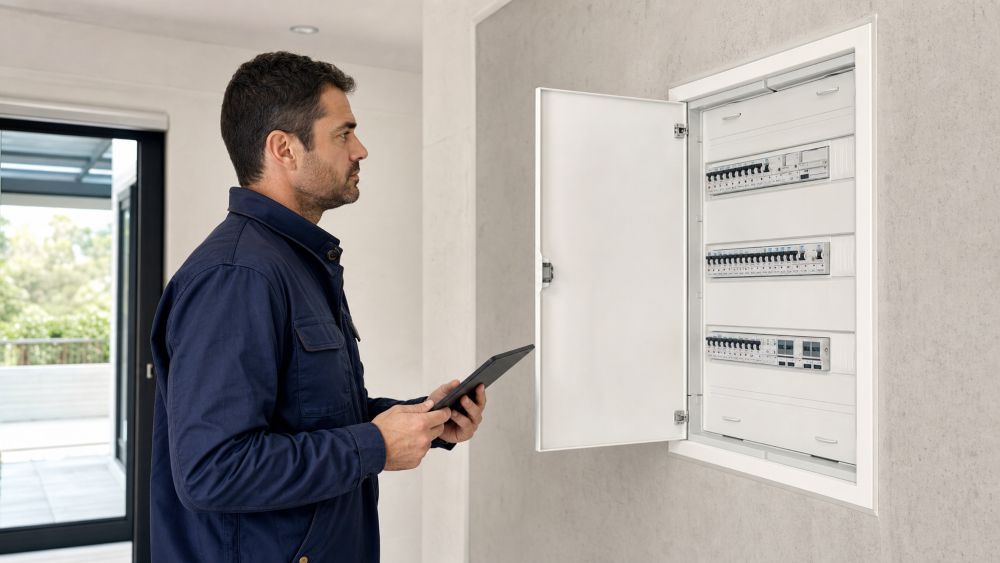
Getting a professional inspection before installing an electric car charger is a key decision. It not only improves safety, but also prevents long-term problems.
A qualified professional can assess the real condition of the installation. It’s not limited to a superficial inspection. They analyze each component and determine whether it meets the necessary requirements.
In addition, they can calculate the appropriate power based on the home’s consumption. This makes it possible to optimize the installation without making unnecessary changes.
Another benefit is detecting potential risks. A technician can identify weak points that might go unnoticed by someone without experience.
Compliance with regulations is also important. The installation of charging points is regulated. A professional ensures everything is done in accordance with current legislation.
In the case of installations in shared community garages, this aspect is even more relevant. There are specific requirements that must be met to avoid conflicts with other users.
In addition, having professional advice makes it easier to choose the right charger. Not all models are the same, and it’s important to select one that suits both the vehicle and the installation.
In this regard, solutions like those from WOLTIO stand out for their versatility. Their chargers are compatible with all vehicles that use the Type 2 connector, making them a universal option. In addition, their app allows remote control of charging, providing convenience and efficiency.
Keep in mind that a properly inspected installation reduces the risk of breakdowns, which ultimately translates into lower maintenance costs and a longer service life for both the charger and the electrical system.