Having a home charging station for your electric car is a great way to ensure your vehicle’s battery is always ready for your next trip. However, one of the main concerns for those using a personal charger is how it might impact their electricity consumption.
How Much Does It Cost to Charge an Electric Car at Home?
The cost of charging an electric vehicle at home depends on several factors, primarily:
Electricity rate. The plan you have with your utility provider is key. Rates can vary based on the time of day and day of the week. Many providers offer discounted rates during off-peak hours, which can lead to savings if charging is done during those periods.
Battery capacity. Battery capacity is measured in kilowatt-hours (kWh). The larger the capacity, the more electricity is needed for a full charge. For example, if the battery has a 40 kWh capacity and electricity costs €0.15/kWh, a full charge would cost around €6. However, this may vary depending on your charger’s efficiency.
Charging efficiency. Not all the energy supplied is transferred directly to the battery. Factors like energy loss during charging and the charger’s efficiency impact the final cost.
Usage and frequency. How often you charge your vehicle and how far you drive each day also influence your monthly cost. If you regularly take long trips, you’ll need to charge more often.
If you want to learn more about how EV charging affects your electricity bill, you can read more [here].
How to Save Money When Charging Your EV
One of the main concerns for EV owners is how to reduce charging costs without giving up the convenience of having a fully charged car. Below are several strategies to help lower your energy bill:
Take Advantage of Off-Peak Rates
Many electricity providers offer special pricing at certain hours. These “off-peak hours” typically come with significantly lower rates compared to peak hours. Charging during these times can make a big difference in your monthly bill. To take full advantage, it’s essential to schedule charging sessions during these periods—plus, it helps reduce strain on the power grid.
Use a Smart Charger
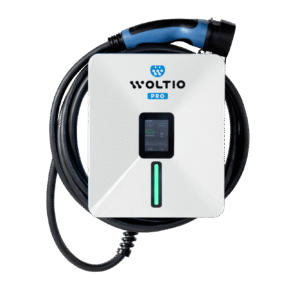
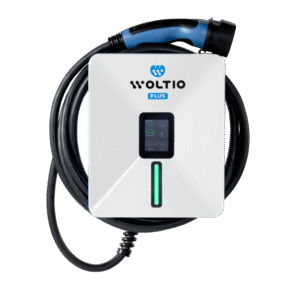
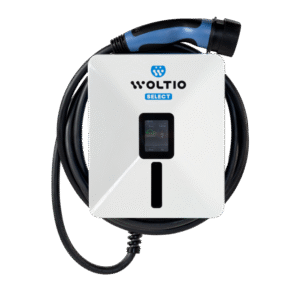
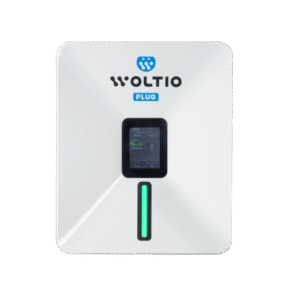
Smart EV chargers, like those from WOLTIO, allow you to schedule and monitor charging sessions. They make energy use more efficient and can integrate with mobile apps that notify you when it’s the best time to charge—helping you save money on your electricity bill.
Monitor Your Consumption
Tracking your energy usage and associated charging costs is essential for identifying areas for improvement. Many apps and connected devices allow you to view real-time consumption and compare it with previous periods. With this data, you can adjust your habits and find the most efficient way to charge your EV.
What’s the Cheapest Way to Charge an Electric Vehicle?
To determine the most cost-effective way to charge an EV, you need to evaluate both electricity costs and your charging setup. Consider the following:
Choose a tailored energy plan. Most utility providers offer specific tariffs for electric vehicles or large consumers during off-peak hours. Researching and comparing market options can help you find the plan that best suits your usage profile.
If you’re able to schedule charging during low-rate periods, you’ll be applying one of the most effective energy-saving strategies for EV owners.
Optimize your electrical installation. Your home charging system should be designed for maximum energy efficiency. That means using a charger suited to your vehicle’s needs and your home’s electrical system. A well-installed and well-maintained setup reduces energy loss and ensures you’re only paying for the energy you actually use.
Smart Tips for Saving Money When Charging at Home
In addition to the strategies above, here are a few extra tips to help reduce charging costs at home:
Keep Your Battery in Good Condition
Battery health plays a big role in charging performance. Avoid fully charging it to 100% or letting it sit empty for extended periods. Proper battery maintenance not only extends its lifespan but also improves charging efficiency—leading to greater savings.
Use Surplus Energy
If you have your own energy generation system, such as solar panels, try using surplus energy to charge your car. Many systems allow you to store excess energy in home batteries or redirect it directly to the vehicle. This reduces your reliance on the power grid and lowers charging costs significantly.
Charge Overnight
In many cases, nighttime electricity rates are cheaper than during the day. Scheduling your EV to charge overnight is one of the easiest and most effective ways to save money. This habit aligns perfectly with strategies to reduce charging costs, as it maximizes the use of off-peak hours.
Review Your Electricity Bill Regularly
It’s a good idea to periodically check your electricity bill for anomalies or areas of potential savings. Comparing month-to-month usage can help you adjust your charging strategy according to changes in cost and vehicle use.