Electric mobility is based on the use of vehicles that run on electricity instead of fossil fuels such as gasoline or diesel. These vehicles store energy in rechargeable batteries that power one or more electric motors. Electricity can come from different sources, from traditional grids to renewable energy systems such as solar panels or wind farms.
The operation of an electric vehicle is relatively simple. When it is turned on, energy from the battery is transferred to the electric motor, which drives the wheels. Unlike combustion engines, electric motors do not need to burn fuel to generate energy. This means that they do not produce direct pollutant emissions or excessive noise.
In addition, many electric vehicles have regenerative braking systems. This system allows some of the energy lost during braking to be recovered and returned to the battery. Thanks to this mechanism, the vehicle’s energy efficiency is improved.
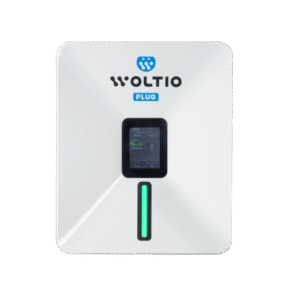
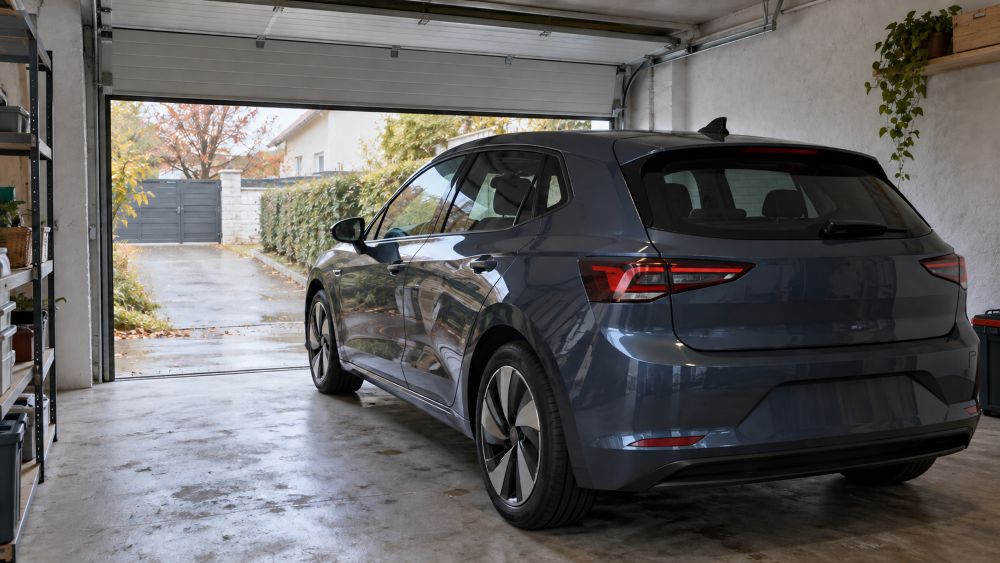
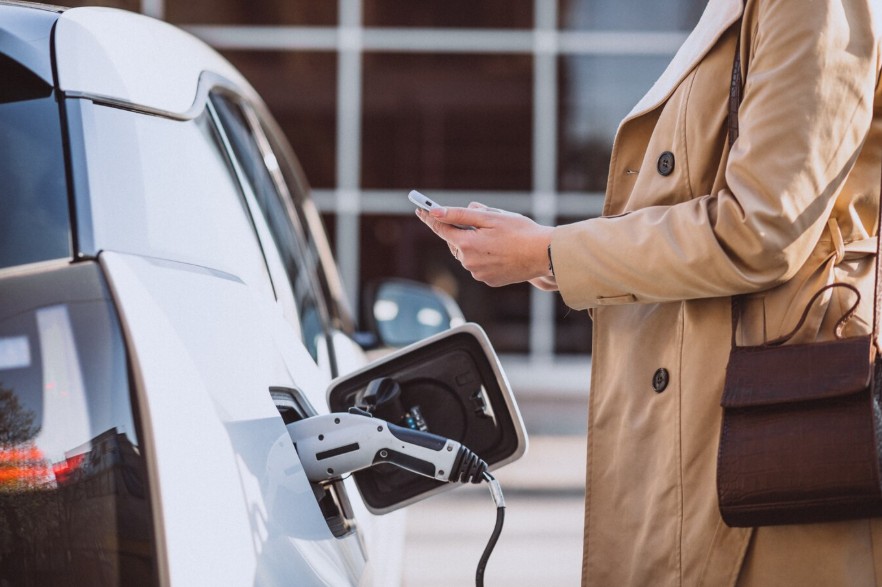
To recharge the batteries, vehicles can be connected to charging stations, which can be found in public spaces or installed in private garages. Charging time varies depending on the type of battery and charger, but technological advances have significantly reduced these times in recent years.
Electric mobility is not limited to cars. There are different types of electric vehicles adapted to different transportation needs. Among the most common are:
Electric vehicles offer several advantages over combustion engine vehicles. These advantages can be divided into environmental, economic, and technical aspects.
One of the main reasons why electric mobility is considered the future of transportation is its lower environmental impact. Electric vehicles do not emit carbon dioxide (CO₂) or other polluting gases while in operation. This helps reduce air pollution, especially in urban areas.
Furthermore, by not using fossil fuels, these vehicles contribute to reducing dependence on non-renewable resources and help combat climate change. If the electricity they use comes from renewable sources, the environmental impact is reduced even further.
Electric motors are much more efficient than combustion engines.
While a gasoline engine converts only a portion of the fuel into useful energy, electric motors harness a much higher percentage of the energy stored in the battery.
This translates into less energy waste and, in the long term, lower operating costs.
Electric vehicles have fewer moving parts than combustion engines. This means they require less maintenance. They do not need oil changes, their brakes last longer thanks to regenerative braking, and they have a lower rate of mechanical breakdowns.
In addition, many brands offer long warranties for batteries, which gives users greater peace of mind. Although batteries can degrade over time, current advances allow for a sufficient service life for most drivers.
Although the initial price of an electric vehicle may be higher than that of a traditional vehicle, the costs of use are usually lower. Electricity is cheaper than gasoline or diesel per kilometer traveled, and maintenance also costs less. In some countries, governments also offer tax incentives, subsidies, or discounts for the purchase of electric vehicles.
Electric motors are much quieter than combustion engines. This contributes to less noise pollution, especially in cities. A less noisy urban environment improves people’s quality of life.
Electric mobility is growing rapidly and everything indicates that it will continue to expand in the coming decades. Several factors explain this trend:
Many governments are promoting policies to encourage the use of electric vehicles. These include installing charging stations, banning the sale of combustion vehicles in the future, and providing subsidies for manufacturers and consumers. Countries such as Norway, France, the United Kingdom, and China have already set dates to end the sale of combustion engine cars.
In addition, the European Union is promoting laws to reduce carbon emissions, forcing the automotive industry to invest in cleaner technologies.
Battery technology has advanced significantly in recent years. Currently, lighter batteries with greater capacity and faster charging times are being developed. Research is also being conducted into the use of new materials such as solid-state lithium, which promises greater safety and autonomy.
Another important advance is the improvement in charging infrastructure. Fast charging points are increasing in cities and on highways, making long trips easier and reducing waiting times for recharging.
More and more people consider it important to reduce their ecological footprint. Concern for the environment, coupled with greater information about how electric vehicles work, has led to increased market acceptance. In addition, younger generations are less interested in owning a car and more open to alternatives such as electric car sharing.
In the future, electric mobility can be better integrated with electricity grids that use solar or wind energy. This would enable a completely clean energy chain, from electricity generation to its use in transportation. It is even possible that electric vehicles could return energy to the grid at times of high demand, in a system called “vehicle-to-grid” (V2G).