Electric mobility has become a real option for many drivers looking for more sustainable and eco-friendly modes of transportation. With the increasing number of electric car models entering the market, the need for efficient charging infrastructure has grown significantly.
This is where the question arises: is a home charger worth it? Given the limited availability of public charging stations and the growing popularity of electric vehicles, more and more EV or plug-in hybrid owners are considering installing their own charger at home.
How Much Does It Cost to Install an Electric Car Charger at Home?
One of the first factors to consider is the cost of installing a charger at home.
Depending on the type of charger and the complexity of the installation, prices may vary, but in general, the initial cost typically includes the purchase of the equipment and the labor required to install it safely.
In many cases, users can choose between chargers with different power levels and charging capabilities.
When evaluating cost, it’s also important to factor in any government or local authority subsidies or incentives aimed at promoting electric mobility, which can significantly improve the return on investment for a home charger.
In addition to the upfront investment, you should assess whether your home’s electrical system requires upgrades, such as a more powerful panel or adjustments to the domestic network.
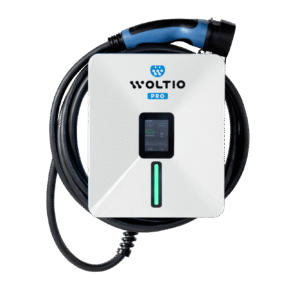
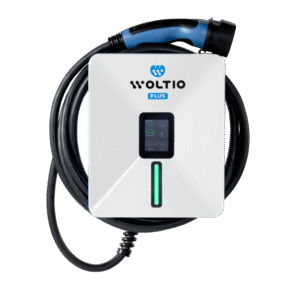
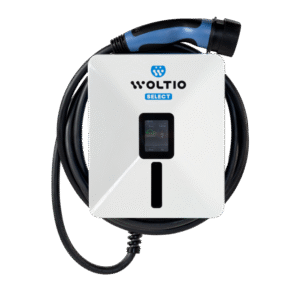
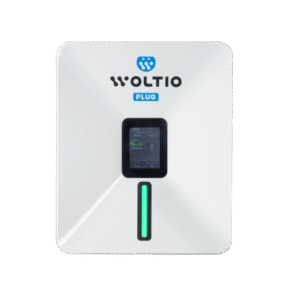
If you’re curious about the price range of our smart chargers, be sure to check out our selection of electric vehicle chargers for individuals.
Long-Term Savings with a Home EV Charger
Charging your electric car at home gives you greater control over the charging process. This control allows you to take advantage of lower electricity rates during off-peak hours, which can lead to significant long-term savings.
To analyze the profitability of a home charger, it’s important to compare household electricity costs with those at public charging stations. Although some public locations offer special rates, home charging is often more advantageous, especially when devices or apps are set up to benefit from lower-rate periods.
Another key consideration is the durability and maintenance of the equipment. Home chargers are designed to be long-lasting, and with proper preventive maintenance, they offer years of reliable service. This factor plays an important role in evaluating whether a home charger is truly worthwhile, as long-term savings depend on consistent and safe operation.
Profitability analyses show that with regular use and proper charge scheduling, operating costs can be significantly lower than other charging alternatives. That’s why installing an electric car charger at home is often a smart and cost-effective decision.
Is the Initial Investment in a Home EV Charger Worth It?
The upfront cost of installing a home charger may raise concerns. And understandably so—it’s a significant investment. But the key to a clear answer lies in the long-term perspective. As the use of electric vehicles continues to grow, having a private charging system is becoming increasingly convenient.
The value of an EV home charger isn’t measured solely by installation costs—it also lies in the savings it generates over time.
When comparing home electricity prices to public charging rates, the initial investment can often be recovered within just a few years. Additionally, the ability to manage and plan your energy consumption more efficiently adds extra value to the investment.
Beyond financial considerations, installing a home charger offers comfort and independence. Not having to drive to a public charging station saves time and effort, contributing to a more convenient and stress-free experience for the owner—and reinforcing the idea that a home charger is worth it.
When balancing cost, savings, and convenience, the conclusion in most cases is clear: yes, it is worth it. Of course, each case should be evaluated based on individual consumption and electricity rates to determine the precise return on investment, but current trends strongly suggest that this is an increasingly attractive option.
Is It Cheaper to Charge at Home?
One of the strongest arguments for having a home EV charger is that charging at home is generally more economical than relying on public stations. Residential electricity rates are often lower and, in many cases, allow users to schedule charging during off-peak hours.
Charging your vehicle at night or during designated time slots avoids peak demand periods and allows access to discounted rates. This not only results in direct energy cost savings but also helps optimize your home’s electrical system performance. With complete control over the charging process, you can avoid overloads or interruptions that might affect other devices.
Although public stations offer convenience in certain situations, frequent use can become more expensive over time. From a household budget standpoint, charging at home proves to be the more cost-effective option.
Additionally, for those who already benefit from having their own charging system, the value of a home EV charger is further reinforced, since it allows for fully optimized energy use without dependence on external infrastructure.
If you’re looking for more information, don’t forget we already explained how much it costs to charge an electric car here.
What Are the Benefits of Charging at Home?
The benefits of installing a home EV charger go far beyond simple financial savings. Convenience and flexibility are among the most significant advantages. Having a charging solution at home means you’ll always have energy available when you need it, without having to search for a nearby station or adjust your travel plans.
Safety is another major advantage of home charging. Modern charging equipment comes equipped with protection systems that prevent overloads, short circuits, or electrical issues. This ensures that the vehicle is charged safely and reliably—essential for both the car and the household.
Another key benefit is the ability to integrate the charging system into your home’s overall energy management. With the rise of renewable energy, such as solar panels, many homeowners choose to combine vehicle charging with clean energy generation.
This integration further reduces costs while contributing to environmental sustainability. It reinforces the idea that a home charger is worth the investment—making the most of available technology to improve quality of life and protect the planet.