We will be on holiday from 8 to 21 August. We will dispatch your order upon our return. Thank you for your patience.

The expansion of the electric vehicle market has led many residential communities to consider the possibility of installing a private EV charger. But how is it installed? How much does it cost? What critical factors should be considered before proceeding?
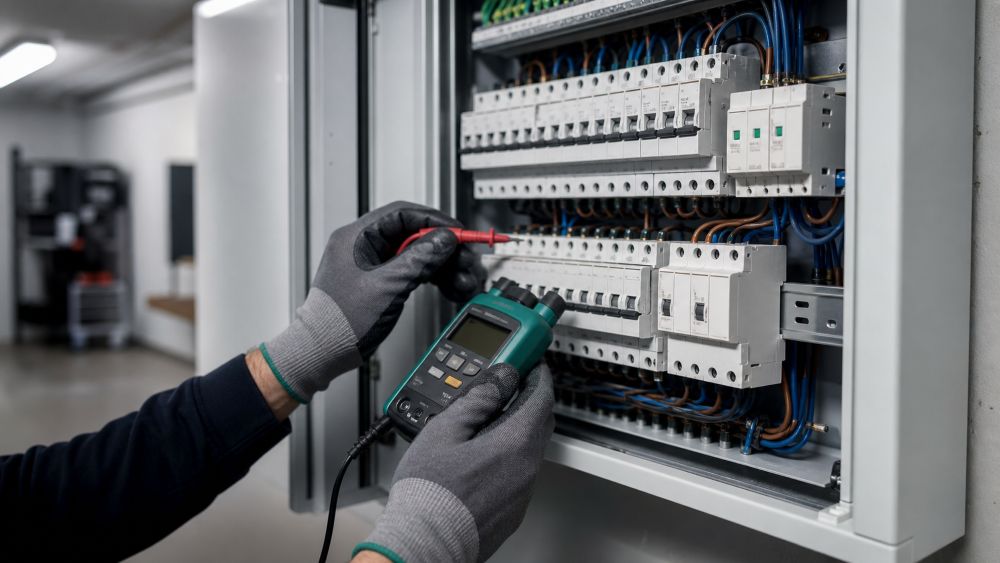
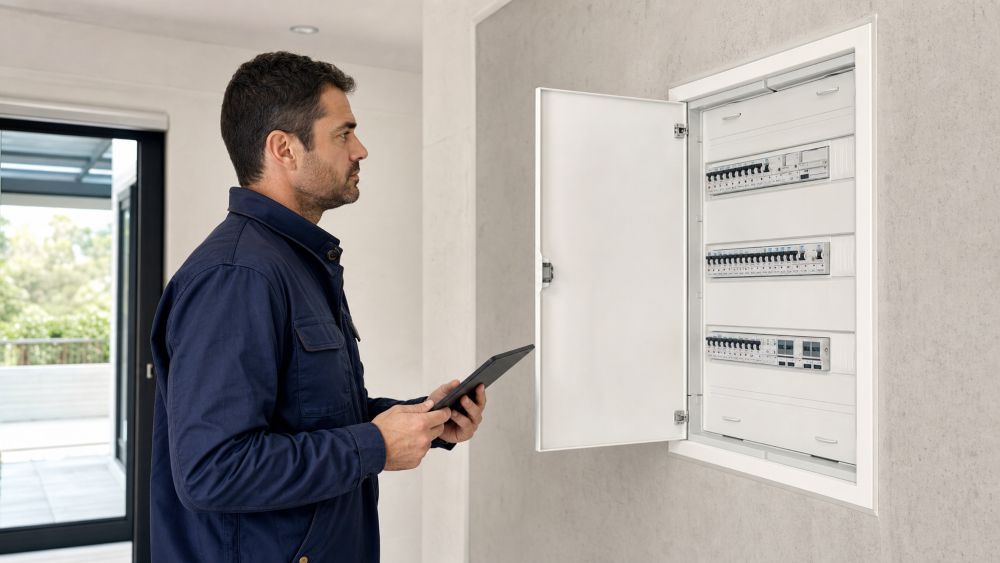
Before starting any installation project, it’s essential to analyze several technical and administrative aspects. First, a preliminary study of the existing electrical infrastructure in the garage must be conducted to determine whether it’s feasible to increase the electrical load without risking the current system.
The assessment should include the system’s capacity, the location of metering points, and the availability of spaces designated for charging.
Another important factor is understanding the requirements for installing an EV charging point in a shared garage. This involves working with qualified professionals, such as electricians or specialized companies, who can advise on the best approach for the installation.
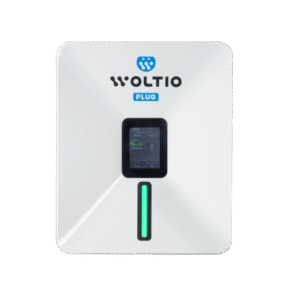
These experts will check the available power supply, assess the feasibility of the connection, and determine if upgrades to the electrical system are needed. Additionally, the type of charger must be considered—slow or fast charging units each have different requirements in terms of power and infrastructure.
To understand how to install an EV charger in a shared garage, follow these basic steps:
Regulations concerning the installation of EV chargers in shared garages are designed to encourage the use of clean energy and facilitate the transition to electric vehicles. These laws aim to protect both property owners’ rights and the safety of the installations.
In many countries, legislation has evolved to ease the installation of charging infrastructure in residential buildings. For instance, in Spain, laws and decrees allow property owners to install chargers in common areas without altering the community’s expense distribution. These rules require that installations not compromise building safety and that they respect the network’s capacity limits.
Furthermore, specific requirements must be met. These include compliance with technical standards to ensure the system can handle the additional load and the use of certified devices to avoid potential hazards and ensure safe operation.
Administrative procedures are also covered by the regulation. For example, notifying the community and, in some cases, obtaining approval from a homeowners’ meeting may be required. This ensures that all residents can participate in decisions that affect shared building elements.
Regulations also support those who wish to install a charging point by offering subsidies and incentives. These measures promote electric mobility and encourage the use of renewable energy, contributing to lower emissions and better environmental outcomes.
Whether you need permission from the homeowners’ association to install an EV charger in a shared garage is a common question, and in many cases, the answer is yes. Although current regulations aim to simplify the process, installing a charger may affect common areas, which often requires awareness and approval from other residents.
Generally, such installations are considered improvements to garage usage, meaning the issue must be discussed and approved by the community. The topic should be added to the agenda of the next homeowners’ meeting, where the necessity and benefits of having an EV charger can be presented. This includes technical and financial details such as costs and the impact on the building’s electrical system.
It’s essential to explain how the charger will be installed in accordance with regulations so everyone understands the intervention is fully compliant with legal and safety standards.
Sometimes, proposals to install an EV charger may meet with resistance or hesitation from neighbors. If the community refuses consent, it’s important to remain calm and seek solutions that work for everyone.
First, maintain an open and constructive dialogue. Clearly present the benefits of the installation, including increased property value and support for sustainable mobility. Citing data on the growing demand for EVs and the importance of adapting to new technologies can also help.
If concerns are technical or safety-related, it’s wise to involve a professional. A qualified technician can clarify the installation requirements and demonstrate compliance with all current regulations. Technical expertise often alleviates concerns and clears up confusion.
If the refusal continues, review the community bylaws and national legislation. Many EV charger regulations protect an owner’s right to make improvements that support clean energy. If the objection lacks legal basis, mediation or legal advice may be pursued.
It’s also helpful to gain the support of other residents. If multiple owners express the same need, collective pressure may sway the community to approve the project. This shows that the initiative isn’t a personal whim but a response to a growing need.
In extreme cases, administrative bodies or housing and energy authorities may be contacted. These organizations can mediate and provide solutions to move the project forward while respecting all regulations and community interests.
Installing a charging point in a shared garage offers numerous individual and collective benefits. It promotes savings, provides a convenient way to charge the vehicle, and supports environmental protection, as we explain [here].
Firstly, it offers EV owners a practical and comfortable solution to charge their cars without needing to visit public stations. This results in time savings and greater autonomy for daily use.
Environmentally, having a charger in a residential garage helps reduce emissions. By choosing electric mobility, residents contribute to improved air quality and a smaller carbon footprint, benefiting both the building and the wider community.
Another key benefit is increased property value. In a market that increasingly values sustainability, modern infrastructure like EV charging points can be a decisive factor for future buyers or renters. This boosts property competitiveness and aligns it with today’s demands.
Installing a charger also fosters neighbor collaboration. Joint planning and assembly decisions allow all residents to participate in the building’s modernization. Collaborative projects like this can improve community relations.
Furthermore, having EV infrastructure positions the community at the forefront of innovation. Knowing how to install a charger in a shared garage and having the right technology shows foresight and commitment to sustainability. Such initiatives address current needs and anticipate future trends in mobility.
Lastly, installing a charger diversifies the building’s services. EV charging infrastructure can pave the way for adopting other energy-efficiency technologies like solar panels or energy management systems. Integrating these solutions can generate long-term savings by optimizing the building’s energy use.