Buying an electric car is often accompanied by a pending conversation with the homeowners’ association: where to install the charger, how to route the cable, and who will pay for the electricity. Some questions arise from confusing a private installation with infrastructure shared by the entire garage. Others arise when it is interpreted that any work crossing a common area requires a vote.
The regulations make it easier to install a private charging point in an individual parking space, but they still impose technical and financial obligations. Understanding both aspects helps present the project clearly and avoid disputes that have already reached the Supreme Court.
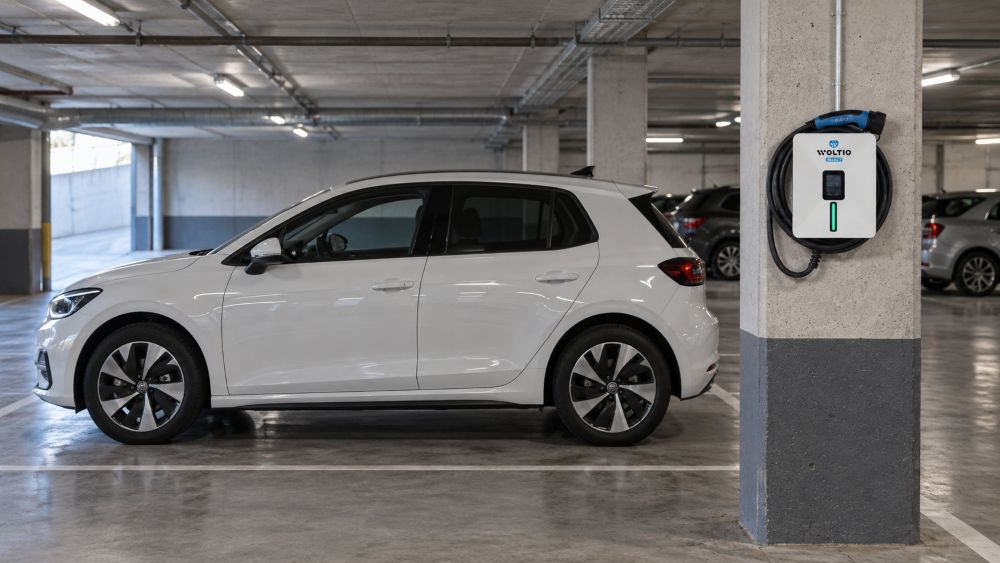
Article 17.5 of the Horizontal Property Act establishes that installing a charging point for private use in an individual parking space in the building only requires prior notification to the homeowners’ association. In this case, the installation is not subject to approval by the owners’ meeting.
The same provision assigns the full cost of the installation and electricity to the directly interested parties. The right to install does not allow charging at the expense of the community’s electricity supply without an agreement authorising it. Nor does it turn an outlet intended for cleaning or maintenance into a point for private use.
This rule applies to the specific situation described by the law. A shared network, a common service, or work affecting another privately owned property requires a different assessment. If the parking space is rented, the lease agreement must also be reviewed and the work coordinated with its owner.
Although Article 17.5 does not establish a form, it is advisable to keep written proof of the notification sent to the chairperson or property manager. Identify the parking space, the owner, the planned source of supply, and the installation company. Attach a sufficiently detailed technical description of the route and work, including the planned date.
Keep a copy and proof of receipt. Notifying the installation does not mean it can be carried out in any way: the layout must meet technical criteria, comply with safety requirements, and avoid causing harm to other owners. It is not enough to announce that a charger will be installed without explaining how it will be done.
The installation company must comply with the Low-Voltage Electrical Regulations and ITC-BT-52. Once the work is complete, keep the certificate and any other required documentation. If an objection arises, ask for it to be specified in writing so it can be assessed from a technical and legal perspective.
Homeowners’ associations governed by the Civil Code of Catalonia must comply with Article 553-36. For an individual charging point, it provides for sending the technical project to the chairperson or property manager thirty days in advance and submitting the technical certificate upon completion.
Within that period, the homeowners’ association may propose a reasonable alternative better suited to its general interests. If it is not carried out within two months, the interested party may complete the installation originally planned. This thirty-day period should not automatically be applied to all homeowners’ associations in Spain.

The first installation can be addressed as an individual need, but the situation changes when several residents begin charging their vehicles. At that point, it is advisable to organise cable routes, allow space in the conduits, and determine what electrical capacity can be allocated to future expansions.
The property management team can keep a register of notified installations and coordinate professional access to the garage. Having up-to-date plans and retaining documentation for completed work makes it easier for each new intervention to take previous ones into account. This coordination should help maintain orderly infrastructure and promote coexistence while respecting the applicable legal procedure.
If a shared installation is considered, the homeowners’ association will have to agree on how it will be financed, who will handle maintenance, and how consumption will be measured and allocated. When several vehicles share limited power, a load management system for a shared garage can monitor demand and automatically adjust the current received by each charging point. This system makes better use of the available capacity and allows new users to be added without sizing the entire infrastructure so that everyone can always charge at maximum power.
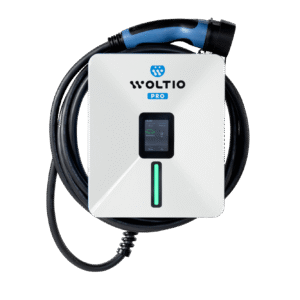
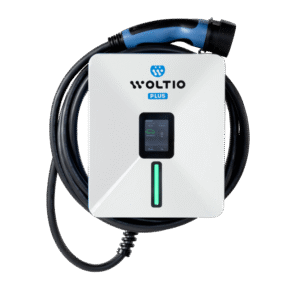
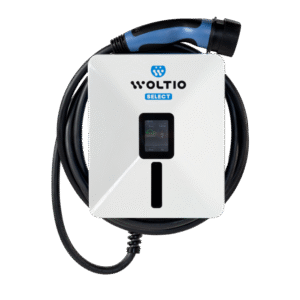
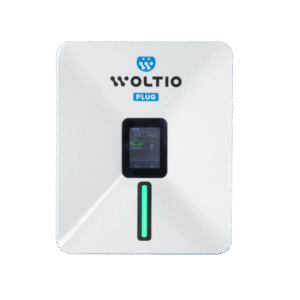
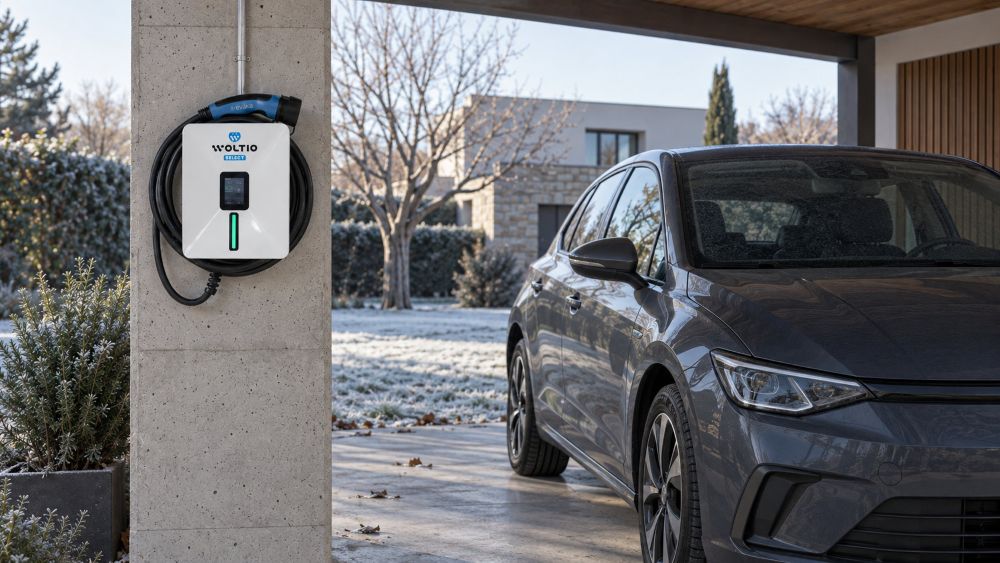
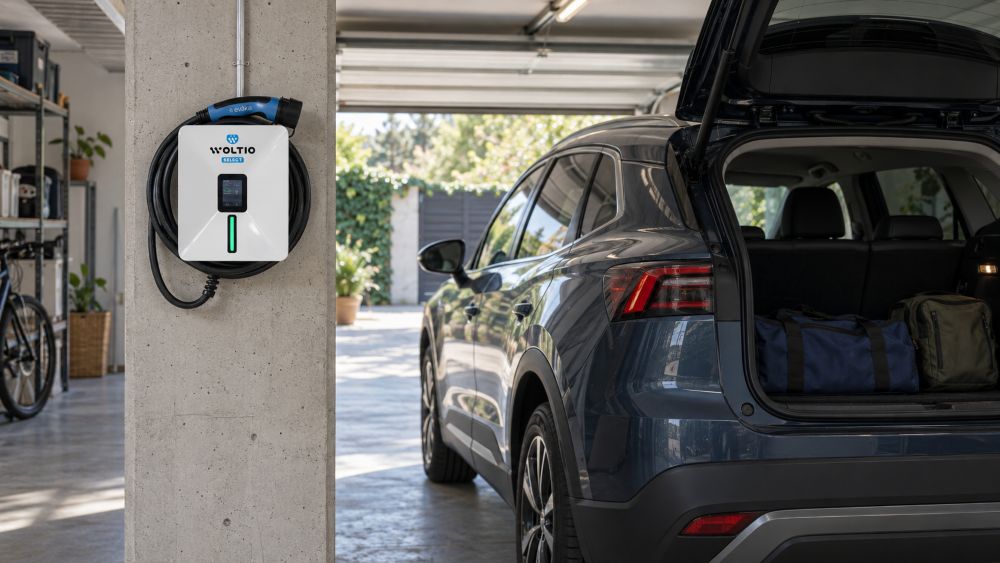
For an individual installation, you can explore WOLTIO’s charging options for private users and assess which model fits the available power, type of supply, and typical parking hours. The final choice should be based on a technical assessment that considers the cable route, protections, and expansion possibilities. Well-documented notification and professional installation help integrate charging into the garage’s daily use without creating unnecessary conflicts.