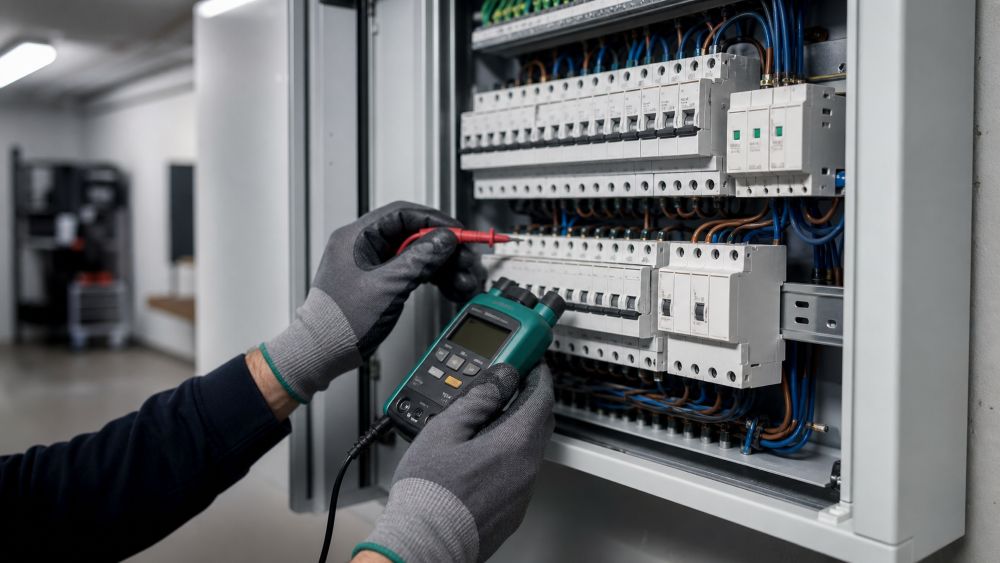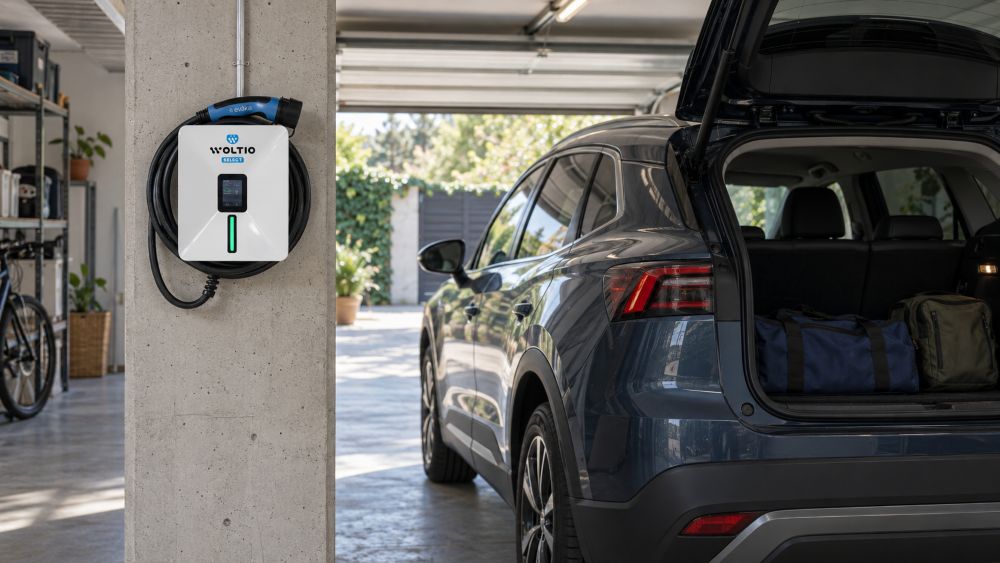
A long electric car trip does not begin at the first charging point on the motorway. It begins at home, when you decide what battery level you will leave with, and ends when you have prepared the energy for the return journey. Home charging provides predictability; public charging allows you to travel in stages and regain range during stops.
Combining both avoids two common mistakes: relying entirely on one specific public charging station or setting off with more charge than necessary without having calculated actual consumption. The key is to turn the route into a simple three-phase sequence: departure, journey, and destination.
Check the route, the expected travel time, and the battery level you will need. A moderate limit is usually enough for daily use, but before a long trip it may make sense to charge more. In that case, schedule the session to finish close to your departure time and always follow the manufacturer’s recommendations.
Not all cars or battery chemistries recommend the same limit. The guide on charging to 80% or 100% will help you decide based on the journey and prevent the vehicle from remaining at maximum charge for many hours unnecessarily.
If the car offers scheduled climate control, activate it while it remains connected. This way, some of the energy needed to condition the cabin can come from the grid rather than the battery when you set off.
Available range changes with speed, temperature, elevation changes, wind, vehicle load, and use of climate control. Therefore, use recent consumption on similar journeys as a reference and leave a buffer for detours or weather changes.
Planning with a buffer does not mean stopping with the battery almost full, but rather avoiding arriving at a critical charge level at a station that may be occupied or out of service. The vehicle’s navigation system and charging apps can estimate the arrival percentage, but it is advisable to update the plan if actual consumption differs during the journey.
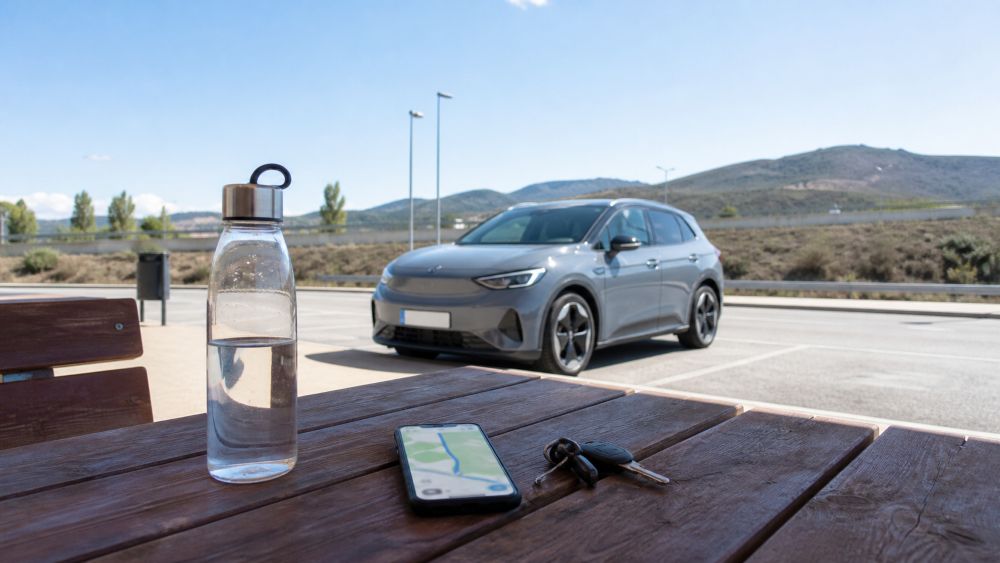
A station is useful when it is compatible with your car and located where you genuinely need to stop and rest. Check the connector type, the power the vehicle can accept, opening hours, activation method, and recent availability information.
Also choose a reasonable alternative for each important leg. It does not have to be next to the main location, but it should be within the planned battery buffer. A backup plan turns an incident into a change of stop, not an emergency.
The maximum power advertised by the station is not equivalent to what you will receive throughout the entire session. The car regulates charging according to battery temperature and state of charge, and it usually reduces it as the battery fills. On the road, it may be more efficient to recover the energy needed for the next leg than to always wait for a very high percentage.
Organize stops in places where you can rest, eat, or use facilities. This way, charging time becomes part of the journey. Before leaving the car, check that the session has started and that power is progressing normally.
If you want to expand your general preparation for the vehicle, route, and unexpected events, see our tips for planning an electric car trip. This new approach adds a decisive issue: how to coordinate the energy available at home with the energy you will need to purchase elsewhere.
Do not assume you will be able to charge when you arrive. Confirm whether the accommodation has a charging point, whether it requires a reservation, its opening hours, and how it is activated. If you are going to a second home, use a dedicated installation and avoid makeshift adapters or extension leads.
When there is no charging at the destination, keep enough battery to reach a nearby station or make one final stop before arriving. It is also advisable to prepare the return journey using the same criteria as the outbound trip: target level, first leg, and available alternative.
Check the condition of the tyres, any cable you may need at the destination, and the accounts or payment methods for the planned operators. Save the main and alternative locations, and make sure the navigation system recognizes the full route.
During the trip, adapt stops to actual consumption. If you arrive with more battery than expected, you may be able to shorten the session; if consumption increases, charge earlier. The plan should give you room to decide, not force you to follow a rigid schedule.
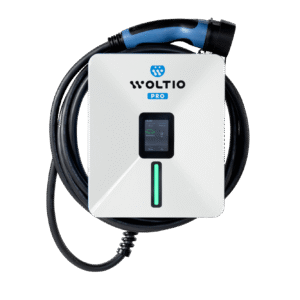
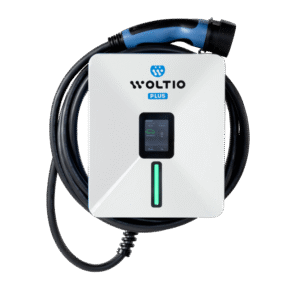
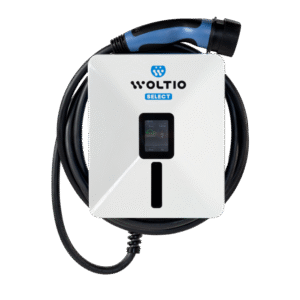
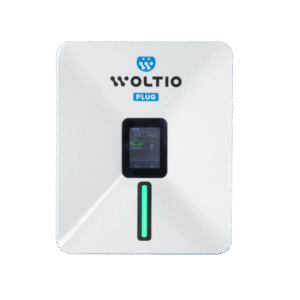
Having your own charging point allows you to set off with the planned charge level, schedule charging, and return without relying on an immediate public charging station. In our home electric car chargers section, you can find solutions tailored to each driver’s installation and routine.
Combining home and public charging is not about choosing one over the other. It is about using each where it adds the most value: home to start and finish with predictability; the public network to cover the distance with flexible and safe stops.